

Tear-jerking songs recommended for men in their 50s: classic and popular Japanese hits

As of 2023, those in their 50s likely spent their sensitive teenage and twenties years experiencing in real time the golden age of Japan’s music industry—from late-70s New Music through 90s J-POP.
Each of you must have your own songs filled with memories.
In this feature, we’ve gathered tracks we recommend for all of you—songs that will likely resonate and move you.
We hope they help you relive and enjoy your younger days.
- Recommended Japanese Music Artists and Popular Song Rankings for Men in Their 50s [2026]
- Tear-jerking songs recommended for men in their 40s: classic and popular Japanese hits
- Tear-jerking songs recommended for men in their 60s: classic and popular Japanese hits
- Tear-jerking songs recommended for women in their 50s: classic and popular Japanese hits
- [2026] Crowd-Pleasing Songs Recommended for People in Their 50s: A Collection of Nostalgic Classics
- Hidden gem tearjerker songs. Recommended popular tracks
- [2026] Recommended Japanese karaoke songs for men in their 50s
- For people in their 50s: Songs that make you want to sing—perfect for driving
- Good songs recommended for people in their 50s: classic and popular J-pop tracks.
- [Tearjerker] Songs that make your heart tremble with tears & moving tracks with lyrics that touch the soul
- Coming-of-age songs for your 50s: heart-thumping × heartwarming classics and popular tracks [2026]
- A love song that makes a man in his sixties relive his youth. Timeless classics that rekindle the romances of those days.
- [2026] A collection of autumn songs for people in their 50s. Showa-era classics that bring back memories of those days
Tear-jerking songs recommended for men in their 50s: Classic and popular Japanese tracks (41–50)
Another SaturdayHamada Shogo

Shogo Hamada’s classic “Another Saturday.” Although this song is renowned for being easy to sing, that doesn’t mean it has a narrow vocal range.
In fact, it spans a fairly typical range of mid1 C to mid2 F.
So why is it considered easy? Because the average pitch centers around mid2 A#, the so-called “A,” which sits in the middle area where humans find it easiest to produce sound.
The vocal line also has few dramatic rises and falls, so as long as you adjust the key properly, it’s a song with which anyone can aim for a high score.

Close your eyesHirai Ken

A gem of a ballad suffused with the lingering ache of deep, bittersweet love.
Ken Hirai’s delicate, soul-stirring vocals beautifully convey the profound longing and sense of loss for a departed lover.
Sung with the purest feeling of closing one’s eyes and picturing the one you love, this work was released as a single in April 2004.
Chosen as the theme song for the film “Crying Out Love in the Center of the World,” it topped the Oricon year-end chart.
Its heart-piercing vocals and beautiful melody line make it a refined track for adults—perfect for a night drive or a quiet moment alone.
MissingKubota Toshinobu

Toshinobu Kubota delivers the bittersweet ache of an unattainable love with a sweet yet powerful voice.
The portrait of a love that cannot be fulfilled is drawn alongside a beautiful melody that seeps deep into the heart.
Included on his debut album “SHAKE IT PARADISE,” released in September 1986, the song was used as the ending theme for the TV programs “Uwasa-teki Tatsujin” and “World Pro Wrestling.” It’s a recommended track for times when you want to immerse yourself in memories of past love or revisit precious recollections you keep tucked away in your heart.
I won’t fall in love anymore.Makihara Noriyuki
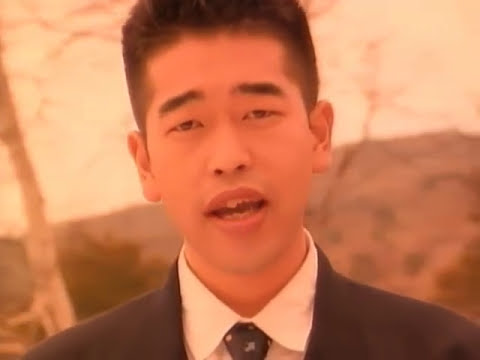
A signature song by Noriyuki Makihara, distinguished by its heartwarming melody that embraces both the ache of heartbreak and a brave front.
It gently portrays memories of a former lover and the nostalgia of everyday life, while the protagonist’s resolve to move forward resonates deeply with listeners.
Released in May 1992, it was chosen as the theme song for the NTV drama “After the Children Are Asleep.” Included on the album “Kimi wa Boku no Takaramono,” it became a major hit, ranking 7th on Oricon’s year-end chart.
This piece is a companion for those standing at life’s crossroads.
When you gather with friends for karaoke, its universally relatable lyrics and melody are sure to warm the heart.
Ruby RingTerao Akira

Released in 1981 as Akira Terao’s fifth single, it was used as the theme song for Yokohama Tire’s “ASPEC” commercial.
At the 23rd Japan Record Awards, it won the Grand Prize, the Gold Prize, the Lyricist Award, the Composer Award, and the Arranger Award, becoming a major hit.
It was Terao’s breakthrough as a singer and the best-selling single of his career.
Christmas EveYamashita Tatsuro

This is a Christmas song by Tatsuro Yamashita, released in 1983.
It’s become such a standard that you still hear it somewhere in town every December.
It was originally written around 1981 for an album by his wife, Mariya Takeuchi, but he reworked it into his own song.
The canon section in the instrumental break is famous, and he reportedly spent eight hours recording those eight bars.
You can really feel his meticulous musician’s spirit.
I hope everyone will hum along to this classic.

Sake, Tears, Men, and WomenKawashima Eigo

This song is included on Eigo Kawashima and Homo Sapiens’ debut album, Jinrui (Humanity), which was released in 1975.
The following year, in June 1976, it was released as a single under Eigo Kawashima’s name.
It’s one of those tracks where Kawashima’s rich, rugged voice and the quietly resonant lyrics and melody sink deep into your heart.
For men in their 50s as of 2023, chances are you first heard this song when you were in elementary or junior high school; but now, in your 50s, having gone through many phases of life, you can probably grasp its “depth” more fully.
Daily life can be stressful, but this is exactly the kind of song you’ll want to listen to at the end of such days.
