

[Men in Their 50s, Gather Up!] Classic Karaoke Crowd-Pleasers & Easy-to-Sing Hits


Do you ever find yourself unsure what to sing at karaoke? Many people struggle with things like “I can’t keep pitch” or “I can’t hit high notes.” The truth is, even if you’re not confident about your vocal range, karaoke becomes a lot more fun once you learn how to pick the right songs.
In this article, we’ve carefully selected tracks that are easy to sing and sure to get the crowd going.
From nostalgic classics to singable ballads, we’ve gathered songs from a wide range of genres—so you’re sure to find your next go-to number!
- [For People in Their 50s] Ranking of Easy-to-Sing Karaoke Songs [2026]
- [2026] Recommended Japanese karaoke songs for men in their 50s
- [2026] Japanese karaoke songs that get men in their 50s pumped up
- [Men in their 60s] Even if you're not good at singing, it's okay! Easy-to-sing songs for karaoke
- Karaoke songs recommended for men with low voices or who are good at singing in a low register
- Even karaoke beginners can relax! Easy-to-sing songs for men
- Even if you’re tone-deaf, it’s okay! Easy karaoke songs for men in their 40s
- Karaoke songs for men in their 40s: a curated selection of hit tracks women want to hear!
- Uplifting songs recommended for men in their 50s
- [For Men] What Karaoke Songs Make It Easy to Score 100? A Curated List of Easy-to-Sing Tracks
- [For Men in Their 40s] Easy-to-Sing Karaoke Songs and Guaranteed Crowd-Pleasers
- This is a sure hit! Hype songs men will want to sing as the first track at karaoke
- Karaoke songs where even men with low voices can aim for high scores
[Men in Their 50s, Gather Round!] Classic Karaoke Hits That Get the Crowd Going & Easy-to-Sing Masterpieces (91–100)
And then I’m at a lossŌsawa Yoshiyuki

Yoshiyuki Osawa, a singer who made his record debut as the vocalist and guitarist of Cloudy Sky and has continued to work energetically after going solo.
His 5th single “Soshite Boku wa Tohō ni Kureru,” used in a Nissin Cup Noodles commercial, has been covered by numerous musicians since its release.
The vocal range isn’t particularly wide, but the melody moves up and down in small steps, so be careful not to lose pitch.
It’s a wistful pop tune that would captivate listeners when sung by a man in his 50s with a rich, mature tone.

Among the seasonsMatsuyama Chiharu

This was Chiharu Matsuyama’s fifth single overall, released in August 1978.
I remember that when the song first came out, Matsuyama refused to appear on TV music programs, so even though it was a hit, there were few chances to hear it on television.
If I recall correctly, he appeared on The Best Ten only once under the condition that it would be “just once,” didn’t he? As for the song itself, since Matsuyama is a singer with very strong vocal technique and expressive power, he delivers the high notes—like the chorus melody—so smoothly and beautifully that many people might wonder, “Is this really easy to sing?” However, the actual vocal melody doesn’t use a very wide range; it’s quite simple, easy to sing, and easy to remember.
So even if you’re not confident with high notes, you should be able to sing it comfortably by adjusting the key.
When you sing it, make a clear contrast between the opening section with just acoustic guitar and vocals and the sections after the rhythm comes in, emphasizing the dynamics accordingly.

ff (fortissimo)HOUND DOG

The 10th single by the Japanese rock band HOUND DOG, released in August 1985.
It was used as a commercial song for Nissin Foods’ Cup Noodles.
It’s a medium-tempo rock number with a strongly heroic atmosphere throughout! The vocal melody is very simple, and the range used isn’t very wide, so even those who aren’t confident singers can enjoy singing it casually.
Feel the beat of the backing track firmly, and, just as the title suggests, sing out with power and enjoy it.
MonicaYoshikawa Koji

Koji Kikkawa continues to captivate audiences with his dynamic rock ’n’ roll sound and catchy melodies.
Among the landmark songs that launched his career, this classic is especially recommended for men in their fifties.
It features sustained long tones, but you can sing it without overstraining your voice, so even those who aren’t confident about their breathing can perform it comfortably.
Upon its release in February 1984, it became a long-running hit, peaking at No.
4 on the Oricon chart and ranking No.
22 for the year.
It also drew attention as the theme song for the film Sukampin Walk, released the same year.
Since it’s a heartbreak song, it’s perfect for karaoke after a night out.
RunawayRATS&STAR
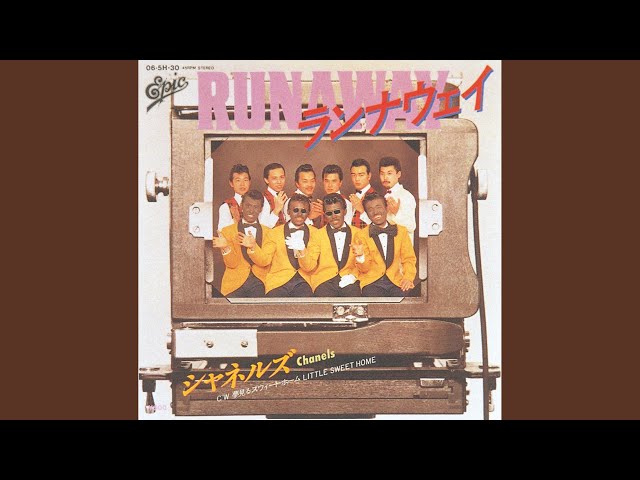
When it comes to the groups that laid the foundation for soul music and R&B in Japan, Rats & Star surely comes to mind.
As their black-coated appearance suggested, they had deep respect for Black music.
Their song “Runaway” is one of their signature tracks, blending elements of Black music with kayōkyoku and J-pop into a very singable style.
The vocal range is relatively narrow, from mid1 D# to mid2 G, so as long as you focus on the groove, you should be able to aim for a high score.

Keisuke KuwataMayonaka no Dandī

Songs by Keisuke Kuwata and Southern All Stars are well-received across a wide range of age groups and are popular with every generation.
This time’s “Mayonaka no Dandy” was first released as a solo single in 1993.
The vocal range sits around B3 on average, and the melody line is simple, making it easy to remember and sing.
When the verse and pre-chorus move into the chorus, the pitch rises a bit, so try to sing lightly without tensing up overall, keeping your facial muscles lifted.
Once you get used to it, you might even add a bit of a shout like Kuwata does!

BLONDENakamori Akina

“BLONDE” is Akina Nakamori’s 18th single, a song that highlights the chic, stylish romance of the bubble era.
In particular, the cool vibrato that rings out in the chorus accentuates her elegance.
Thanks to Nakamori’s superb vocal technique, many of her songs are simply difficult to sing, but this one seems relatively easier among them.
Its melody stays within a range that’s comfortable even for male singers, so it’s a recommended choice for men who want to try singing one of her songs.
