

[2026] Recommended Japanese karaoke songs for men in their 50s


Company parties, local class reunions, family gatherings… If you’re a man in your 50s, you probably get plenty of chances to go to karaoke, right?
At times like that, do you ever find yourself unsure what to sing?
“I can’t really sing recent songs…” “Even if I go with older songs, I don’t know which ones are good…” If that sounds like you, this article will introduce karaoke songs recommended for men in their 50s!
Focusing on hits from the ’80s to the early ’90s, we’ve carefully selected classic karaoke staples and songs that women will think, “I’d love to hear him sing this!”
Use this as a guide for choosing your next songs!
- For Men in Their 50s: No Worries If You’re Tone-Deaf! A Curated Selection of Easy-to-Sing Karaoke Songs
- [2026] Japanese karaoke songs that get men in their 50s pumped up
- Recommended Japanese Music Artists and Popular Song Rankings for Men in Their 50s [2026]
- Coming-of-age songs for your 50s: heart-thumping × heartwarming classics and popular tracks [2026]
- [For People in Their 50s] Ranking of Easy-to-Sing Karaoke Songs [2026]
- Karaoke Popularity Ranking by Generation [50s] [2026]
- Karaoke songs for men in their 40s: a curated selection of hit tracks women want to hear!
- [2026] Crowd-Pleasing Songs Recommended for People in Their 50s: A Collection of Nostalgic Classics
- [For People in Their 50s] Karaoke Songs That Get the Crowd Going: Ranking [2026]
- [For Men in Their 40s] A Collection of Songs That Score High at Karaoke [2026]
- Good songs recommended for people in their 50s: classic and popular J-pop tracks.
- Popular Japanese songs among men in their 60s: recommended masterpieces and classic tracks
- Uplifting songs recommended for men in their 50s
[2026] Recommended Japanese karaoke songs for men in their 50s (71–80)
Sun’s Komachi AngelB’z

This is a track with an impressive rhythm that incorporates Latin music elements, evoking a passionate summer vibe.
It’s known as the fifth single by B’z—guitarist Takahiro Matsumoto and vocalist Koshi Inaba—released on June 13, 1990.
With this song, B’z earned their first No.
1 on the Oricon charts, marking the beginning of a streak of subsequent hits.
It was also used in a commercial for Mitsutaka’s “Camellia Diamond,” which helped it gain even wider recognition.
This song is recommended for those looking to energize a karaoke session or enjoy a refreshing feeling that blows away the summer heat.
It’s a perfect pick not only for B’z fans but also for rock lovers in general.
DAYBREAKotoko

When it comes to male idol groups from the 1980s, many people probably think of Otokogumi.
Debuting from Johnny & Associates in 1988, their signature songs are known for their strong rock flavor and rich emotionality.
Their debut single was used as the theme song for the Fuji TV drama “Otokodaro!!” and reached No.
1 on the Oricon charts, becoming a massive hit that stayed on the rankings for 30 weeks.
In karaoke, this song—sung with a powerful yet delicate voice, telling a story of overcoming loneliness and hardship to find love and hope—is guaranteed to liven up company parties and school reunions.
If I can see you in my dreamsRATS&STAR
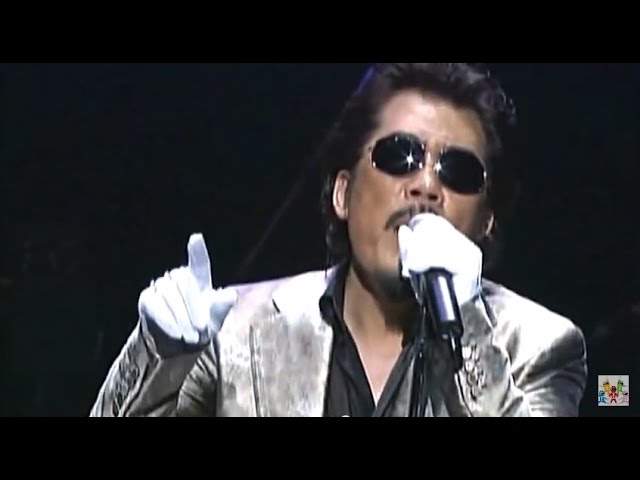
Released in 1996 as Rats & Star’s ninth single.
It is a cover of “Yume de Aetara,” a song previously performed by Minako Yoshida and Célia Paul.
With this single as a kickoff, they resumed activities for 1996 only, embarked on a nationwide tour, and made their first appearance at the 47th NHK Kōhaku Uta Gassen.
homeKiyama Yusaku
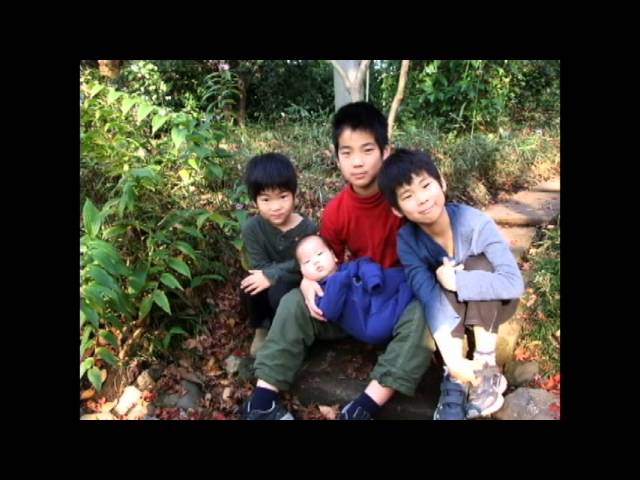
Yusaku Kiyama, who debuted from the singer audition program “UtaSuta!!,” released this song “home” in 2008 as the 20th project single from the show.
Many people will recognize it the moment the chorus starts—“Oh, that song!” While there are plenty of songs about mothers or a mother’s love for her child, this one is a “song from a father to his child.” Sung while thinking of family, “home” is undeniably cool—a deeply moving anthem of family love.

JunkoNagabuchi Tsuyoshi

Back in the day, Tsuyoshi Nagabuchi was pale and skinny—so slight he looked like a gust of wind might blow him away—nothing like the tan, muscular Nagabuchi we know now.
People in their 50s probably all know this, right? The song “Junko” is from that era.
It was originally included on the album Gyakuryu (Reverse Flow), but due to passionate fan demand it was released as a single and became a massive hit, topping the Oricon charts for six consecutive weeks.
At karaoke, it was standard to swap out “Junko” with your girlfriend’s name when you sang it.
Suddenly, SinbadSazan Ōrusutāzu

Southern All Stars’ debut single, released in June 1978.
If you’re in your 50s, it’s safe to say there’s hardly anyone who hasn’t heard it—an absolute classic! From the intro melody through the entire track, it’s packed with unforgettable phrases and lyrics that leave a strong impression.
It’s the kind of song that instantly lifts your spirits just by belting it out, so don’t sweat the small stuff—just enjoy it.
It’s bound to be a blast if everyone joins in on the intro and the shout-along parts of the chorus!

The Camellia Sasanqua InnŌkawa Eisaku

Eisaku Okawa’s signature song, which portrays a heartrending love, was released in 1982 and became a massive hit with cumulative sales of over 1.8 million copies.
With lyrics that liken forbidden love to a winter flower, it powerfully captures deep emotion and the harshness of reality.
Peaking at No.
2 on the Oricon chart in 1983, this work holds a special place in Okawa’s career.
Its mellow atmosphere and emotionally rich vocals make it a perfect karaoke choice for showcasing mature charm at parties and reunions.
A timeless classic beloved not only by enka fans but by listeners of all ages.