

[2026] Japanese karaoke songs that get men in their 50s pumped up


For people in their 50s, social responsibilities tend to grow heavier, and many may be feeling stressed from everyday life at work and at home.
For those spending such demanding days, karaoke is one of the best ways to blow off steam!
Still, there are probably quite a few who think, “I’m not that familiar with songs, so I don’t know what to sing…”
In this article, we’ll introduce plenty of songs recommended by our editorial team for anyone with those concerns.
Since this is aimed at people in their 50s, we’ve selected mainly nostalgic tracks.
Why not get together with friends of the same generation once in a while and sing your heart out to songs from the good old days?
And for younger readers, feel free to use this as a reference when choosing songs for karaoke outings with your bosses in their 50s.
- [2026] Crowd-Pleasing Songs Recommended for People in Their 50s: A Collection of Nostalgic Classics
- [For People in Their 50s] Karaoke Songs That Get the Crowd Going: Ranking [2026]
- [Men in Their 50s, Gather Up!] Classic Karaoke Crowd-Pleasers & Easy-to-Sing Hits
- [2026] Recommended Japanese karaoke songs for men in their 50s
- Karaoke songs that are sure to get a 60-something man fired up
- [For men in their 40s] That nostalgic song you can enjoy at karaoke!
- [2026] Classic Karaoke Songs That Liven Up Year-End and New Year Parties
- Uplifting songs recommended for men in their 50s
- Karaoke songs for men in their 40s: a curated selection of hit tracks women want to hear!
- [2026] A collection of autumn songs for people in their 50s. Showa-era classics that bring back memories of those days
- Interesting Japanese songs recommended for men in their 60s
- [For Men in Their 40s] A Collection of Songs That Score High at Karaoke [2026]
- Good songs recommended for people in their 50s: classic and popular J-pop tracks.
[2026] Japanese karaoke songs that excite men in their 50s (11–20)
Like tonight’s moonElefanto Kashimashi
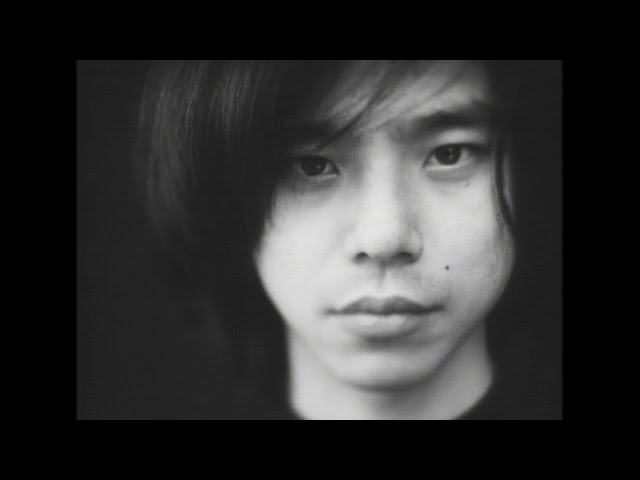
It’s a deeply moving masterpiece that powerfully sings of passion for the future while gazing into everyday feelings of emptiness and loneliness.
Set against the backdrop of a city at dusk, it portrays the solitude and struggles of people living in an urban landscape, yet conveys a strong will to keep looking forward and moving on.
The soulful vocals unique to Elephant Kashimashi and the melody that resonates with the heart are beautifully in harmony.
Released in July 1997, the song was used as the theme for the Fuji TV drama “Because the Moon Shines at Night,” and was also included on the album “Run Toward Tomorrow – Moonlit Songs.” In 2017, it was performed in the band’s first appearance on the NHK Kōhaku Uta Gassen, winning over even more listeners.
It’s a track that will evoke deep empathy when you feel lost in life or spend a night thinking of someone dear.
huge nuisanceyunikōn

The orchestra-style sound arrangement is really cool.
It was released in April 1989 as Unicorn’s debut single.
Centered on the theme of solo work assignments away from home, the song portrays the worries of working adults.
The humorous lyrics by Tamio Okuda leave a strong impression.
When singing it at karaoke, the key is keeping up with the fast tempo.
It’s a perfect pick when you want to get everyone fired up, like when you’re hanging out with friends from the same generation.
Runnerbakufū suranpu

Its exhilarating, fast-paced sound leaves a strong impression! This is one of Bakufu Slump’s signature songs, released as a single in October 1988.
It became a breakout hit after being featured as insert music on the TV show “Tensai! Takeshi no Genki ga Deru TV” and used in a Hitachi video commercial.
It remains popular as a karaoke favorite and as a brass band cheer song at high school baseball games.
This piece is a youth anthem that sings of the passion and hope of young people who struggle to find their words.
Sunplaza Nakano’s powerful vocals really resonate.
It’s perfect to sing with friends while reminiscing—those fiery feelings from your youth are sure to come rushing back!
Subtly flashy (bling-bling, but nonchalant)Kondō Masahiko

This is the fourth single by singer Masahiko Kondo, who, along with Toshihiko Tahara and Yoshio Nomura, dominated the idol scene of the 1980s as one of the “Tanokin Trio.” The song was featured in commercials for House Foods’ “Curry Kukure” and Fujifilm’s “Utsurun Desu” disposable cameras, and upon its 1981 release it became a massive hit, sweeping newcomer awards across the board.
With arrangements that spotlight a lush brass section and a straightforward vocal delivery, it’s a track that will likely bring back memories of youth for those in their 50s.
If possible, it’s best presented with the dance performance included—a guaranteed crowd-pleaser at karaoke with people of the same generation.

TRAIN-TRAINTHE BLUE HEARTS

This song, with its signature high-speed, exhilarating melody, can truly be called a landmark of punk rock.
It was included on the self-titled album released in November 1988.
The lyrics, which convey a desire to escape from reality and a thirst for freedom, leave a strong impression.
The chorus grabs listeners by the heart.
As one of THE BLUE HEARTS’ signature tracks, it has been loved by many for years.
If you sing it at karaoke, it’s sure to lift your spirits.
A Tearful RequestChekkāzu

When it comes to the signature songs by The Checkers that greatly influenced youth culture in the 1980s, this track is the one.
Released in 1984, it’s a classic that poignantly sings about the pain of heartbreak.
Although it was originally slated to be a B-side, it ultimately became a massive hit, even reaching number one on the charts.
The lyrics, which express a breakup through the image of a memory ring being thrown into the sea, continue to resonate with many people across generations.
For men in their 50s, it’s a song that vividly brings back memories of their youth, and it’s guaranteed to liven up any karaoke session.
It’s also a perfect track to convey the appeal of 80s music to younger listeners.
[2026] Japanese karaoke songs that get men in their 50s pumped up (21–30)
Get WildTM NETWORK
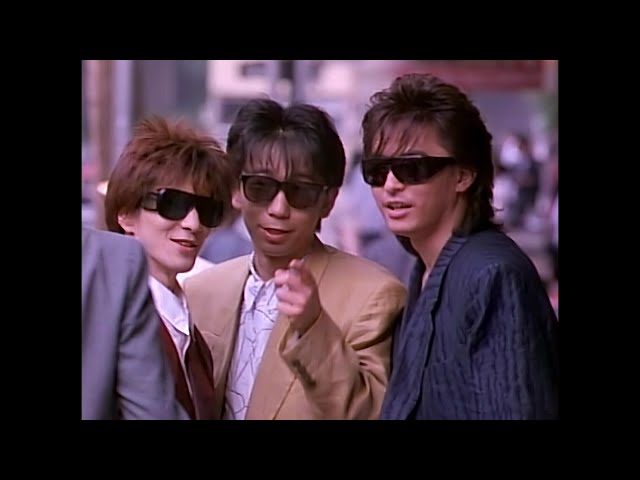
Released in 1987 as their tenth single, this song is one of TM NETWORK’s signature tracks.
It was also used as the ending theme for the anime City Hunter.
The cool sound and melody line evoke the image of Ryo Saeba strolling through the city at night.
Many people may know it from the numerous cover versions and remixes released by well-known artists.
True to the music unit led by Tetsuya Komuro, it’s a sophisticated piece—why not sing it together and get the crowd going?