

[2026 Edition] A Collection of Japanese Songs We Want Men in Their 50s to Sing

From the late 1970s to the 1980s, the term “new music,” which evolved from traditional rock and folk, emerged, alongside the birth of city pop, the rise of the band boom, and of course the idol boom—an era that brought major changes to Japanese popular music and was experienced in real time by the generation that is now in their 50s.
In fact, the karaoke box business model also originated around the mid-80s.
From the many classic songs born in that era, this time we’ve selected tracks we’d love men in their 50s to sing.
These are all songs that will go over well even at karaoke with your boss in his 50s, so younger folks should take note too!
- [2026] Japanese karaoke songs that get men in their 50s pumped up
- Songs Women Want Men to Sing: Popular Karaoke Picks Chosen by Girls
- [2026] Recommended Japanese karaoke songs for men in their 50s
- [2026] Crowd-Pleasing Songs Recommended for People in Their 50s: A Collection of Nostalgic Classics
- Karaoke songs for men in their 40s: a curated selection of hit tracks women want to hear!
- Tear-jerking songs recommended for men in their 50s: classic and popular Japanese hits
- Uplifting songs recommended for men in their 50s
- [50s] Popular Song Ranking by Generation [2026]
- Recommended Japanese Music Artists and Popular Song Rankings for Men in Their 50s [2026]
- For Men in Their 50s: No Worries If You’re Tone-Deaf! A Curated Selection of Easy-to-Sing Karaoke Songs
- [2026 Edition] Youth Anthems for Your 40s! A Roundup of Popular Heart-Pounding × Heartwarming Songs
- Karaoke Popularity Ranking by Generation [50s] [2026]
- Famous songs we’d like women in their 50s to sing (by age group)
[2026 Edition] A Collection of Japanese Songs We Want Men in Their 50s to Sing (21–30)
Goodbye OceanSugiyama Kiyotaka

Kiyotaka Sugiyama is a key figure you can’t leave out when talking about Japanese AOR and city pop.
In his early days he leaned toward rock, but later he grew interested in R&B and soul, which led him to sing city pop that suited his vocal range.
Among his songs, the one I especially recommend for men in their 50s is Sayonara no Ocean.
It features a characteristically city-pop, expansive vocal line, but the melodic contours are gentle, so as long as you find the right key, anyone can sing it with ease.

Embracing SummerTUBE
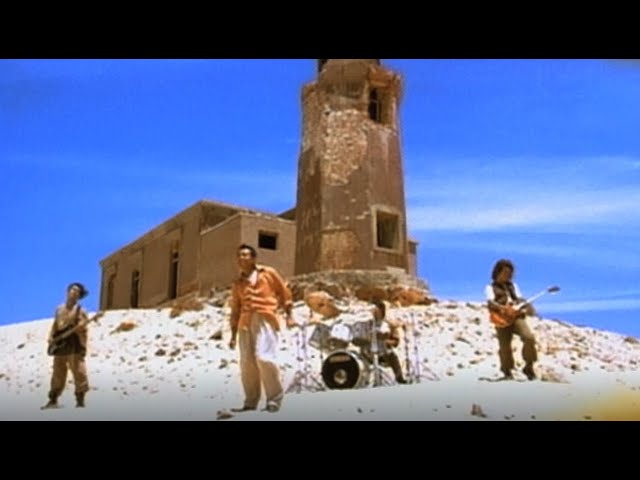
With a sound that evokes clear blue skies and a shining sun, this is a quintessential summer song from TUBE.
It conveys a love so intense it keeps you awake at night, expressed through passionate lyrics and melody.
The protagonist’s once-in-a-lifetime feelings are sure to stir memories of bittersweet love that many have experienced.
Released in May 1994, this smash hit topped the Oricon charts and sold 940,000 copies.
It was also featured in a Toyota Corolla Ceres commercial and has become a karaoke staple loved by many.
It’s the perfect track to share with close friends or colleagues as you reminisce and look back together on life’s milestones.
Banzai ~ So glad I loved you ~Urufuruzu

This rock tune celebrating the joy of pure love is a fan favorite that showcases Ulfuls’ musicality to the fullest.
Its lyrics, which candidly express gratitude to a loved one, resonate deeply, and together with its bright, catchy melody, the song lifts listeners’ spirits.
Released in February 1996, it was included on the album “Banzai” and also drew attention as the theme song for the Fuji TV drama “Goddess of Victory.” Moreover, it won the Excellence Award at the 38th Japan Record Awards.
It’s a perfect track for getting pumped up at karaoke with friends or for reminiscing about special memories with someone important.
Like tonight’s moonElefanto Kashimashi
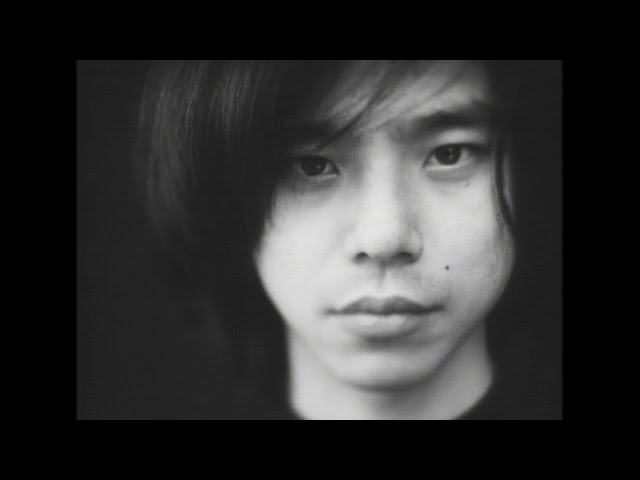
It’s a deeply moving masterpiece that powerfully sings of passion for the future while gazing into everyday feelings of emptiness and loneliness.
Set against the backdrop of a city at dusk, it portrays the solitude and struggles of people living in an urban landscape, yet conveys a strong will to keep looking forward and moving on.
The soulful vocals unique to Elephant Kashimashi and the melody that resonates with the heart are beautifully in harmony.
Released in July 1997, the song was used as the theme for the Fuji TV drama “Because the Moon Shines at Night,” and was also included on the album “Run Toward Tomorrow – Moonlit Songs.” In 2017, it was performed in the band’s first appearance on the NHK Kōhaku Uta Gassen, winning over even more listeners.
It’s a track that will evoke deep empathy when you feel lost in life or spend a night thinking of someone dear.
ForeverGosuperāzu
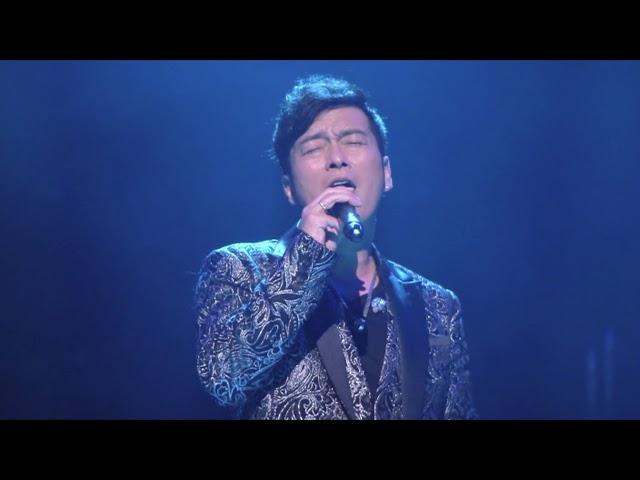
This celebrated song, which sings of an eternal bond with a loved one, gently conveys the unbreakable feelings that exist precisely because love is formless.
Transcending physical distance, the unwavering longing for the other person resonates in the heart alongside beautiful harmonies.
Released in August 2000, the track stayed on the Oricon chart for an impressive 44 weeks and was selected as the opening theme for TV Tokyo’s JAPAN COUNTDOWN.
Its diverse arrangements—hallmarks of The Gospellers—are part of its appeal, including the Album Version on the album “Soul Serenade” and the “unplugged live version” included on the single “Hitori.” It remains a beloved song that makes you want to sing while thinking of someone special, especially after time spent talking with friends.
TSUNAMISazan Ōrusutāzu

Known as a masterpiece that likens the pain of heartbreak to a tsunami, this work is a moving love song celebrated as one of Southern All Stars’ signature pieces.
It’s a gem of a ballad that expresses the sorrow of losing someone dear through a grand melody, fully showcasing Keisuke Kuwata’s exceptional songwriting and composing talent.
Released in January 2000, it topped the Oricon weekly charts and won the Japan Record Award the same year.
It was also selected as the theme song for the popular segment “Mirai Nikki III” on the TV program “U-nan no Hontoko!,” becoming a classic beloved across generations.
As a heartwarming song that offers comfort to those carrying the pain of losing someone special, it’s also highly recommended for karaoke.
WON’T BE LONGBaburugamu Burazāzu

A track marked by an irresistibly catchy, upbeat groove and a festival-like, uplifting rhythm.
Inspired by the Awa Odori dance, its forward-looking message—filled with a powerful resolve to give your all for someone—really strikes a chord.
It features the Bubblegum Brothers’ signature breezy sound and approachable lyrics.
Released in August 1990, it initially drew little attention, but after being broadcast on a TV program in March 1991, it exploded in popularity and became a million-seller.
In 2006, it was also covered by EXILE and Kumi Koda.
It’s an encouraging anthem that gives energy and courage—especially recommended for those worn out by work or daily life.
It’s also perfect for livening up a karaoke session with friends.