

[2026 Edition] A Collection of Japanese Songs We Want Men in Their 50s to Sing

From the late 1970s to the 1980s, the term “new music,” which evolved from traditional rock and folk, emerged, alongside the birth of city pop, the rise of the band boom, and of course the idol boom—an era that brought major changes to Japanese popular music and was experienced in real time by the generation that is now in their 50s.
In fact, the karaoke box business model also originated around the mid-80s.
From the many classic songs born in that era, this time we’ve selected tracks we’d love men in their 50s to sing.
These are all songs that will go over well even at karaoke with your boss in his 50s, so younger folks should take note too!
- [2026] Japanese karaoke songs that get men in their 50s pumped up
- Songs Women Want Men to Sing: Popular Karaoke Picks Chosen by Girls
- [2026] Recommended Japanese karaoke songs for men in their 50s
- [2026] Crowd-Pleasing Songs Recommended for People in Their 50s: A Collection of Nostalgic Classics
- Karaoke songs for men in their 40s: a curated selection of hit tracks women want to hear!
- Tear-jerking songs recommended for men in their 50s: classic and popular Japanese hits
- Uplifting songs recommended for men in their 50s
- [50s] Popular Song Ranking by Generation [2026]
- Recommended Japanese Music Artists and Popular Song Rankings for Men in Their 50s [2026]
- For Men in Their 50s: No Worries If You’re Tone-Deaf! A Curated Selection of Easy-to-Sing Karaoke Songs
- [2026 Edition] Youth Anthems for Your 40s! A Roundup of Popular Heart-Pounding × Heartwarming Songs
- Karaoke Popularity Ranking by Generation [50s] [2026]
- Famous songs we’d like women in their 50s to sing (by age group)
[2026 Edition] A Collection of Japanese Songs We Want Men in Their 50s to Sing (21–30)
Beard and Boobsyunikōn
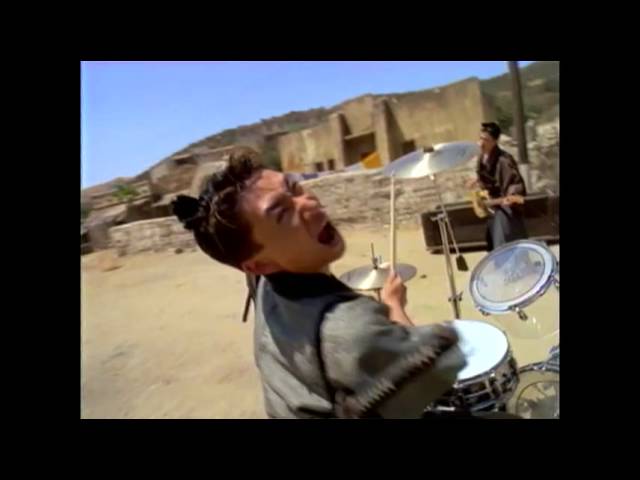
One of Unicorn’s signature works, this song humorously portrays the wavering emotions caught between a salaryman’s job and his love life.
Tamio Okuda’s lyrical world shines as he deftly weaves in modern workplace relationships, from a young company president to the woman at the neighboring desk.
Released in October 1991, the track features an arrangement inspired by the grand sound of Electric Light Orchestra, with a striking use of synthesizers.
As the closing song on the album “Hige to Boin,” it brilliantly conveys the complex feelings of a man who can’t give up on love even while being overwhelmed by work.
It’s a perfect pick for livening up after-work karaoke with colleagues.
Before anything else, from atop the roadIsseifubi Sepia

Set to the resounding beat of powerful drums and flutes, this work captivates with spirited chants reminiscent of Issen Fubi Sepia’s festival calls and an energetic performance.
It masterfully overlays the laws of nature with the truths of life, singing the importance of living positively.
Released in June 1984, it became a major hit, reaching No.
5 on the Oricon charts.
It was also featured in commercials for Suzuki’s Love THREE scooter and Kirin Beer’s Kirin Shochu Tanrei Straight, earning love from a wide audience.
A classic packed with the essence of their street-performance origins, it’s a song you’ll want to hear when you feel lost in life or are ready to take a new step forward.
[2026 Edition] A Compilation of Japanese Songs We Want Men in Their 50s to Sing (31–40)
I’ve always liked you.Saitō Kazuyoshi

A lyrical love song filled with memories and lingering feelings from youth.
The gentle tones of the acoustic guitar and a voice that resonates in the heart quietly convey unfulfilled feelings and a love that passed by.
Kazuyoshi Saito’s tender vocals and guitar beautifully express nostalgia for the past and the emotions of the present.
Released in April 2010, it drew attention as the theme song for Shiseido’s IN&ON series commercials.
Since February 2017, it has also been used in Ito En’s “Oi Ocha” commercials, continuing to comfort many listeners.
It’s a song you’ll want to hum at class reunions or during long-awaited get-togethers, wrapped in fond memories.
Sing it with friends at karaoke, and its universally relatable lyrics will warm everyone’s hearts.
homeKiyama Yusaku

A moving ballad filled with warm father-to-child love and hopes for growth has been delivered by Yusaku Kiyama.
His gentle, calm voice conveys deep affection for family, and despite its straightforward storytelling, it leaves a lasting resonance in the listener’s heart.
Released in February 2008, the song was featured as the ending theme for Nippon TV’s “UtaSta!!” and Yomiuri TV’s “Joho Live Miyane-ya,” and it also led to his appearance at the 59th NHK Kohaku Uta Gassen that same year.
For karaoke, it’s recommended when you want to reflect on family memories or express gratitude to someone special.
It’s a tender, warmth-filled song—like softly returning someone’s hand squeeze under a bright sky.
White LoversKuwata Keisuke

A gem of a ballad, richly expressing the bittersweet feelings of winter love, has been delivered by Keisuke Kuwata.
It’s a moving piece that looks back on warm memories of love, as if wrapped in snow, with a sense of blessing.
Rather than lamenting a past romance as a mere failure, it impressively celebrates the moments of that love from the heart.
Accompanied by a beautiful, resonant melody, it conveys a gentle warmth within the chill of winter.
Released in October 2001, the song was featured in a Coca-Cola commercial and sold 520,000 copies on the Oricon weekly chart.
It’s a perfect choice for winter karaoke with family and close friends when you want to share heartwarming memories.
I won’t fall in love anymore.Makihara Noriyuki
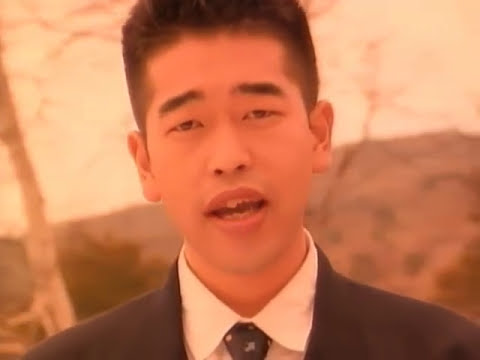
A signature song by Noriyuki Makihara, distinguished by its heartwarming melody that embraces both the ache of heartbreak and a brave front.
It gently portrays memories of a former lover and the nostalgia of everyday life, while the protagonist’s resolve to move forward resonates deeply with listeners.
Released in May 1992, it was chosen as the theme song for the NTV drama “After the Children Are Asleep.” Included on the album “Kimi wa Boku no Takaramono,” it became a major hit, ranking 7th on Oricon’s year-end chart.
This piece is a companion for those standing at life’s crossroads.
When you gather with friends for karaoke, its universally relatable lyrics and melody are sure to warm the heart.
An unfinished love song I’ve been working on foreverHata Motohiro

In harmony with the world of the film “Love Letters on Our 35th Year,” Motohiro Hata delicately captures warm, nuanced emotions.
This work weaves together the love of a long-married couple and feelings that deepen day by day with a gentle yet powerful melody, beautifully expressing a form of love that grows more vibrant with time.
It will be released and made available for streaming between February and March 2025.
The limited first edition includes jacket cards featuring visuals from the film, handwritten lyric cards, and a Blu-ray containing live performance footage.
It is a song that will resonate deeply with those who hold feelings for someone dear or who struggle to put their emotions into words.
In conclusion
Even just looking over the songs we picked this time, I’m once again amazed that they’re all timeless classics still sung across generations today. As I mentioned at the beginning, from the late ’70s into the ’80s, Japanese music saw an expansion in musical diversity—bands, singer-songwriters, technopop—giving rise to a wide range of genres. For younger listeners who’ve gotten into the ’80s through the recent city pop boom, be sure to give these a try at karaoke!