

[Oldies] Summer Songs Recommended for People in Their 50s [2026]


Now that we’re well past the midpoint of the 2020s, for those currently in their 50s, their youthful days were in the 1980s through the early 1990s.
That era also produced many J-POP masterpieces that are still sung in the Reiwa era.
This time, under the theme “Summer Songs Recommended for People in Their 50s,” we’ll introduce a selection of classic summer tunes that evoke those summers of the past—all at once! Centered on representative hits and well-known classics, we’ll also include some hidden gems.
Whether you want to relive those days or you’re a younger listener who wants to experience the vibe of the late Showa and early Heisei periods, don’t miss it!
- Classic nostalgic summer hits from the ’80s. A roundup of summer songs.
- 1990s J-Pop to listen to in summer: classic and hit summer songs
- [Summer Classics] When it comes to summer, it’s got to be this song! A roundup from timeless staples to the latest hit tracks.
- Recommended Summer Songs for People in Their 60s: Classic and Popular J-Pop Hits [2026]
- Songs of Summer from the Showa Era: A comprehensive introduction, from nostalgic Japanese hits to timeless favorites still popular today
- [2026] Crowd-Pleasing Songs Recommended for People in Their 50s: A Collection of Nostalgic Classics
- [August Songs] Carefully selected masterpieces, classics, and the latest hits you’ll want to listen to in midsummer!
- [Classics] Timeless Summer Hits Recommended for All Ages [Summer Songs]
- Youthful songs to listen to in summer. Classic summer hits and recommended popular tracks.
- A classic song themed around a summer festival. A song of summer memories (2026).
- [2026] Time-Travel to Your Memories Just by Listening! Recommended Spring Songs for People in Their 50s
- Masterpieces that color the hot season! Summer songs recommended for the Yutori generation
- A love song that makes a man in his sixties relive his youth. Timeless classics that rekindle the romances of those days.
[Nostalgic Songs] Summer Songs Recommended for People in Their 50s [2026] (31–40)
High-Pressure GirlYamashita Tatsuro

Speaking of summer, many people in their 50s probably recall Tatsuro Yamashita’s songs wrapped in those refreshing jackets illustrated by Eizin Suzuki.
One of his tracks became the campaign song for All Nippon Airways in 1983, and among them, this particular song must have left a strong impression.
The arrangement—quintessential Yamashita—opens with a cappella chorus and percussion, and its breezy tone evokes a hot yet dry, crisp kind of summer, perfectly elevating that resort feeling.

Forbidden Rouge MagicImawano Kiyoshiro, Sakamoto Ryuichi

This is a single released in 1982 by a duo consisting of Kiyoshiro Imawano—who led Japan’s rock scene with RC Succession—and Ryuichi Sakamoto of YMO.
Their on-air kiss while performing the song on a music program became a hot topic.
Its upbeat vibe brings back memories of summers in the 1980s.

Nagisasupittsu

A bittersweet summer classic that awakens nostalgic memories of youth.
Set to a melody that seems to carry a refreshing breeze and the sound of waves, it sings of fleeting love and a yearning for freedom.
Released in September 1996 and reaching No.
1 on the Oricon charts, this work became a massive hit, selling over 1.5 million copies.
With lyrics that sink into the heart and Masamune Kusano’s clear, transparent vocals, it’s a song you’ll want to hear by the seaside as summer draws to a close.
Why not let yourself drift back to how you felt back then, remembering the one you love?
Those summer fireworksDREAMS COME TRUE
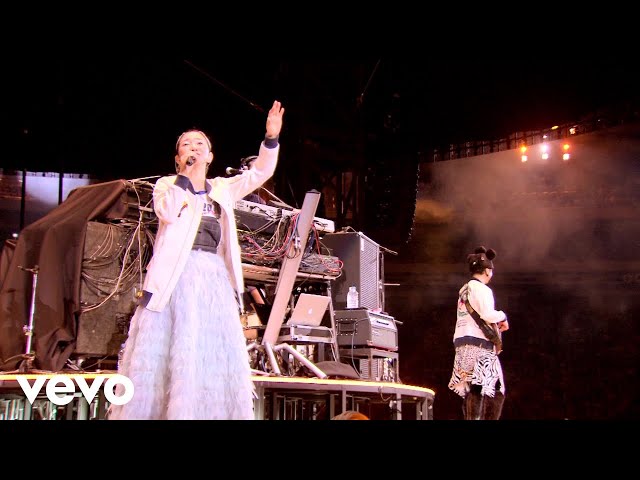
Released in 1992, this song is included on DREAMS COME TRUE’s fifth album, The Swinging Star.
Marking Takahiro Nishikawa’s first involvement in composing, the piece portrays nostalgic memories of love set against the backdrop of a summer fireworks festival.
The sonic world woven by Miwa Yoshida’s commanding vocals and Masato Nakamura’s masterful arrangement vividly conjures scenes of summer in the listener’s mind.
The detailed depictions—fireworks coloring the night sky, the smell of gunpowder, and the bustling crowds along the embankment—leave a strong impression.
As it immerses you in memories of a former lover, it may also prompt you to reflect on who you are in the present.
Ah, summer vacation.TUBE

It was released in 1990 as TUBE’s 11th single.
The song was used in a commercial for JT’s “SomeTime LIGHTS” and reached No.
10 on the Oricon Weekly Singles Chart.
The lyrics were written by Wataru Maeda, and TUBE’s members have said they were initially quite bewildered by the song’s style, which differed from the band’s previous direction.
[Nostalgic Hits] Summer Songs Recommended for People in Their 50s [2026] (41–50)
You’re the Only…Ono Masatoshi

Masatoshi Ono’s third single, released on August 1, 1992.
It sold over one million copies and received a Million certification from the Recording Industry Association of Japan.
Beyond the excellence of the song itself, what left a strong impression was Ono’s wide vocal range and his clear, soaring high tones.
SUMMER CANDLESAnri
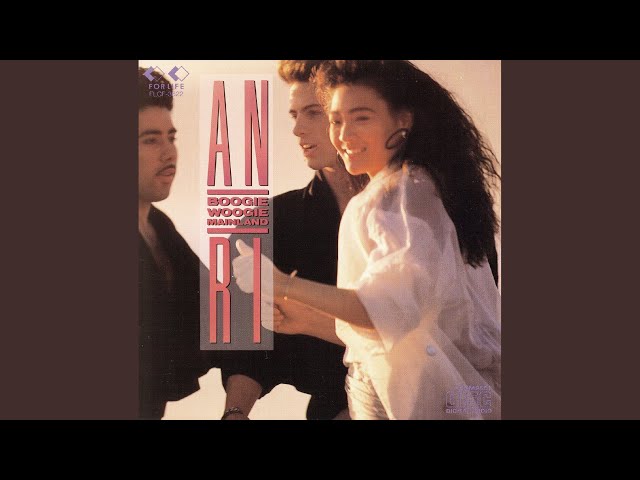
This song, released by Anri in 1988, was used as the theme for the NTV Wednesday drama “Koibito mo Nureru Machikado: Urban Love Story” and as the third-generation commercial song for JT Tobacco’s “Sometime.” That same year, Anri got married, and because of the song’s content, it became popular both as a summer song and as a wedding staple.