

Coming-of-age songs for your 50s: heart-thumping × heartwarming classics and popular tracks [2026]


People currently in their 50s are the generation that experienced in real time the golden age of Japanese pop music: from the New Music boom of the 1970s–80s, to the band boom of the late ’80s to early ’90s, and the J-POP boom up to the early ’90s when countless million-selling hits were born.
This time, we’ve put together a collection of nostalgic hit songs from that era when Japan’s music industry shone so brightly.
I’m sure each of you has many memories tied to the songs introduced here.
In these times filled with gloomy news—prolonged COVID hardships, the situation in Ukraine, and more—please take a moment to immerse yourself in the atmosphere of those nostalgic days and enjoy.
- [50s] Popular Song Ranking by Generation [2026]
- [2026] Crowd-Pleasing Songs Recommended for People in Their 50s: A Collection of Nostalgic Classics
- [2026 Edition] Youth Anthems for Your 40s! A Roundup of Popular Heart-Pounding × Heartwarming Songs
- [2026 Edition] Songs Loved by People in Their 60s: Classic Hits from Their Youth
- [2026] Recommended Japanese karaoke songs for men in their 50s
- Dance music in Japanese (J-pop) that people in their 50s used to listen to. Nostalgic classic hits.
- Good songs recommended for people in their 50s: classic and popular J-pop tracks.
- Favorite Songs for Women in Their 50s: A Curated Selection of Sweet and Bittersweet Love Ballads!
- Cheer-up songs recommended for people in their 50s: classic and popular Japanese hits
- [2026] A collection of autumn songs for people in their 50s. Showa-era classics that bring back memories of those days
- Famous songs we’d like women in their 50s to sing (by age group)
- [For adults too] Youth songs that let you look back on your memories
- Popularity Ranking of Songs by Generation: 60s [2026]
Youth songs for people in their 50s. Heart-pounding × heartwarming masterpieces and popular tracks [2026] (71–80)
You are 1000%.1986 omega toraibu

Released as 1986 Omega Tribe’s debut single, this song gives a very sophisticated impression of the ’80s sound.
It overlays deep feelings for a loved one with memories of summer days, and its lyrics—tinged with both wistfulness and sweetness—resonate with the heart.
Released in July 1986, it was also used as the theme song for the TV drama “Shin Netchu Jidai Sengen,” starring Ikue Sakakibara, and gained wide popularity.
Carlos Toshiki’s smooth vocals and the polished arrangement, which fully justify its high reputation as city pop, brought a fresh breeze to the music scene of the time.
Friendanzenchitai

A song released by Anzen Chitai in October 1986 that gained popularity on the TV show “Yoru no Hit Studio” was used in a Daio Paper commercial.
Featured on the album Anzen Chitai V, it drew strong response, reaching No.
7 on the Oricon chart and peaking at No.
2 on The Best Ten.
Koji Tamaki’s expressively rich vocals poignantly convey the delicate emotional shifts of a relationship transitioning from lovers to friends.
The beautiful melody, unfolding from a wistful piano intro into a grand orchestral arrangement, gently resonates with anyone feeling the loneliness of a changing bond with someone dear.
SAY YESCHAGE and ASKA
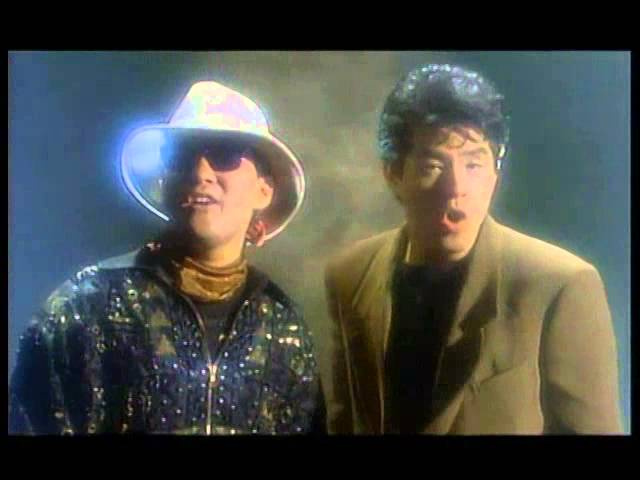
This is one of CHAGE and ASKA’s signature songs, released in July 1991 as the theme for the Fuji TV drama “The 101st Proposal.” ASKA’s powerful vocals and CHAGE’s delicate harmonies blend exquisitely, delivering a moving ode to eternal love.
It topped the Oricon charts for 13 consecutive weeks, sold over 2.8 million copies, and is beloved as a wedding standard.
While the lyrics pledge love to “you,” they also portray complex human relationships and inner conflict, making it an unforgettable classic that leaves a deep impression on listeners.
A quintessential love song with profound meaning, it’s a track you’ll want to share with someone special.
Let’s walkJUN SKY WALKER(S)

One of the bands that supported the big wave of the band boom, JUN SKY WALKER(S) also has this as one of their signature songs.
The lyrics’ forward-looking stance toward the future and their straightforward message resonate with listeners, while also conveying the band’s resolve and the path they intend to take.
It’s a powerful track that expresses the will to keep walking straight ahead, trusting in one’s true self, without being swayed by changes in the environment.

Dancing All Nightmonta & burazāzu

You were blown away by that intro led by a slightly languid-sounding guitar, right? Back then, teens could feel a bit more grown-up listening to this sophisticated “Dancing All Night.” Yoshinori Monta, whose solo career hadn’t taken off, formed Monta & Brothers as a comeback attempt.
When this song was released, it went unnoticed for several months, but then it gradually gained popularity and ultimately became the best-selling record of 1980.
Akina Nakamori, a favorite among people in their 50s, has also covered it, so if you get the chance, be sure to check that out too!
Chaco’s Seaside StorySazan Ōrusutāzu

Southern All Stars released this as their 14th single in January 1982.
After the huge hit of ‘Itoshi no Ellie,’ the band had been away from the top of the charts for a while, and this track feels like their comeback.
It’s a song that, while undeniably Showa-era—1982 is still very much Showa—pairs a 70s kayōkyoku-style melody with an arrangement that evokes then-contemporary New Music and a 50s oldies vibe.
In a sense, it feels nostalgic yet fresh.
Hiroko Hara’s choral entry is both unadorned and skillful, making it a track that showcases the strength of the production.

Girl ANakamori Akina

The rivalry between the Seiko camp and the Akina camp long spilled beyond the idol scene and became a debate that involved the general public.
In today’s terms, it’s like the cute Nogizaka camp versus the cool Sakurazaka camp.
Among the “cool” Akina side, Akina Nakamori’s full-on coolness shines in the song Shoujo A.
It also drew attention because it was created by the era’s strongest hitmakers: lyrics by Masao Urino and music by Hiroaki Serizawa.
With lyrics that boldly push forward—“I’m not someone special, so I want you to steal me away”—even the delinquents of the time were smitten.
Just hearing the intro brings back memories of our youth.