

Anime songs recommended for people in their 40s, from nostalgic classics to the latest hits.


The music we loved as kids somehow sticks with us even after we grow up, doesn’t it?
In an unexpected moment, a song can start playing in your mind along with scenes from back then.
It brings on an indescribable feeling of nostalgia.
In this article, we’ve put together anime songs that people in their 40s will definitely want to check out.
Whether you were glued to the TV watching anime as a child, or you’re just getting into anime now, this is for you.
You might even find yourself time-traveling back to your childhood.
- [Nostalgic] Classic and Popular Anime Songs Recommended for People in Their 30s
- [2026] Recommended for men in their 40s! A roundup of anime songs you’ll want to sing at karaoke
- Recommended anime songs for people in their 50s. Classic and popular anime theme songs.
- [2026 Edition] Youth Anthems for Your 40s! A Roundup of Popular Heart-Pounding × Heartwarming Songs
- [Nostalgic] A roundup of anime songs and theme songs that were hits in the 1980s
- Anime songs that were hits in the 1990s. Recommended masterpieces and popular tracks.
- Anisongs that were hits in the 2000s: a nostalgic collection of legendary tracks
- Anime songs recommended for people in their 60s: from nostalgic classics to the latest hits
- [Anime Songs] Anime tracks recommended for men in their 30s to sing at karaoke
- Calling all thirty-somethings! Nostalgic anime (based on the 1990s)
- [Burning] A Collection of Hype, Hot Anime Songs
- [Nostalgic Hits] Japanese dance music that resonates with people in their 40s.
- A Special Feature on Easy-to-Sing Anime Songs for Karaoke [100+ Songs]
Anime songs recommended for people in their 40s: from nostalgic classics to the latest hits (71–80)
Song of Hakushon Daimaoshimazaki yuri

Starting with adorable opening sound effects, the friendly lyrics vividly conjure the image of a great demon king emerging from a magic jar.
His character—honest, quick to tears, and full of human warmth—is wonderfully portrayed, making this a heartwarming piece that children and adults alike can enjoy.
Yuri Shimazaki’s bright, soaring vocals further enhance the comedic storytelling atmosphere.
Released by Nippon Columbia in October 1969, it gained popularity as the opening theme for a Fuji TV–broadcast anime airing at the same time.
It’s a perfect track for moments when everyone wants to have fun together—like family time on holidays or children’s events.
Ponyo on the CliffFujioka Fujimaki & Oohashi Nozomi

Known as the theme song of a universally recognized animated film, this track is distinguished by the duet between the then-little Nozomi Ohashi and Fujioka Fujimaki.
Its wonderful, irresistibly catchy music powerfully enhances their vocals, making everyone want to hum along.
Ojamajo Carnival!!MAHO dō

We recommend Ojamajo Carnival!! for anyone who wants to listen to a super-energetic anime song.
Those who watched the anime back then can probably still hum this tune—it’s that memorable, with easy-to-remember lyrics and a catchy melody.
The rhythmic melody line in the chorus is sure to be fun to sing at karaoke.

Fight! Polymersasaki isao
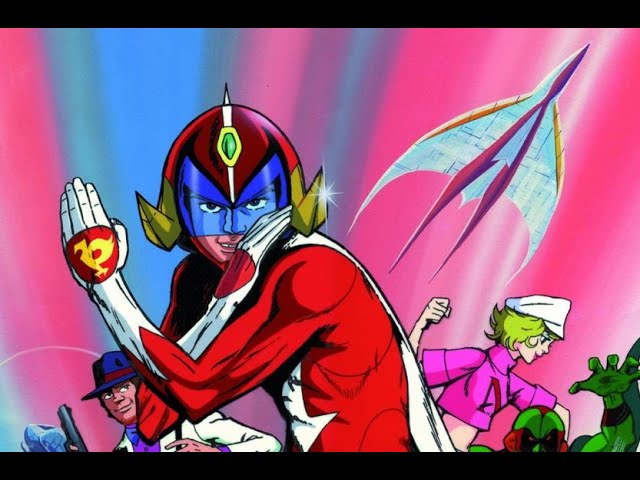
This is a powerful, up-tempo track brimming with the spirit of 1970s hero anime.
A forceful rock-style performance pairs with fiery vocals reminiscent of steel-like strength, brilliantly conveying the protagonist’s courage and power.
The tense developments and high-velocity rhythm further heighten the realism of battle scenes, making it a superb piece.
Released in October 1974 as a tie-in song for the third installment of Tatsunoko Production’s sci-fi action hero TV anime series, it was later used in a live-action film as well.
Showcasing Isao Sasaki’s overwhelming vocal prowess, this track is perfect for moments when you want to stoke your fighting spirit or boost your motivation.
God knows…suzumiya haruhi (hirano aya)

Even people who aren’t into anime have probably heard the name The Melancholy of Haruhi Suzumiya at least once.
This is a song performed within the show.
It features a powerful band sound—especially the guitar, which is incredibly cool.
Transcending the label of an anime song, it’s loved by many for the appeal of the track itself.

We are!kitadani hiroshi

Speaking of One Piece, it’s famous as a masterpiece that Japan’s comic culture can proudly present to the world.
It’s such a hugely popular series that there’s hardly anyone who hasn’t heard of it.
I feel nostalgic for those days when, as soon as the anime aired, I would sit glued to the TV and practically forget to breathe until the words “TO BE CONTINUED” appeared on the screen.
And of course, the first opening theme, “We Are!,” is an indispensable song for that grand adventure.
I bet many people can still sing it even without looking at the lyrics.

Let’s do it with a bang! The Way of BaseballChiba Yumi, Yangu Furesshu, Koorogi ’73

A heartwarming classic, brimming with humor and capturing the feelings of those devoted to baseball, was born in September 1977.
The lively back-and-forth by Yumi Chiba, Young Fresh, and Korogi ’73 creates a bright, powerful harmony that brilliantly conveys a burning passion for the sport.
Broadcast as the opening theme for the anime “Ippatsu Kanta-kun,” it was also included on the album “Tatsunoko Pro Daizenshū” in October of the same year.
The protagonist—struggling with the gap between ideals and reality yet refusing to give up on his dreams—leaves a lasting impression.
It’s recommended not only for baseball enthusiasts but also as a motivational song that gently encourages anyone striving toward their goals.