

Anime songs recommended for people in their 40s, from nostalgic classics to the latest hits.


The music we loved as kids somehow sticks with us even after we grow up, doesn’t it?
In an unexpected moment, a song can start playing in your mind along with scenes from back then.
It brings on an indescribable feeling of nostalgia.
In this article, we’ve put together anime songs that people in their 40s will definitely want to check out.
Whether you were glued to the TV watching anime as a child, or you’re just getting into anime now, this is for you.
You might even find yourself time-traveling back to your childhood.
- [Nostalgic] Classic and Popular Anime Songs Recommended for People in Their 30s
- [2026] Recommended for men in their 40s! A roundup of anime songs you’ll want to sing at karaoke
- Recommended anime songs for people in their 50s. Classic and popular anime theme songs.
- [2026 Edition] Youth Anthems for Your 40s! A Roundup of Popular Heart-Pounding × Heartwarming Songs
- [Nostalgic] A roundup of anime songs and theme songs that were hits in the 1980s
- Anime songs that were hits in the 1990s. Recommended masterpieces and popular tracks.
- Anisongs that were hits in the 2000s: a nostalgic collection of legendary tracks
- Anime songs recommended for people in their 60s: from nostalgic classics to the latest hits
- [Anime Songs] Anime tracks recommended for men in their 30s to sing at karaoke
- Calling all thirty-somethings! Nostalgic anime (based on the 1990s)
- [Burning] A Collection of Hype, Hot Anime Songs
- [Nostalgic Hits] Japanese dance music that resonates with people in their 40s.
- A Special Feature on Easy-to-Sing Anime Songs for Karaoke [100+ Songs]
Recommended anime songs for people in their 40s: from nostalgic classics to the latest hits (81–90)
See, spring has come.ushirogami hikaretai

A refreshing song celebrating the arrival of spring has been delivered by Ushirogami Hikaretai.
It expresses the exhilaration and anticipation that come with the changing seasons, set to a bright and lively melody.
The lyrics leave a strong impression with their gentle sensitivity to the love and happiness overflowing in nature—spring’s buoyant warmth, the murmur of a brook, and the hope of new romance.
The track was used as the opening theme for the Fuji TV anime “Tsuideni Tonchinkan,” and after its release in February 1988, it reached No.
6 on the Oricon chart.
It’s a song you’ll want to hear at the start of a new season, a work that lingers in the heart along with fond memories.
Lover of Möbiusushirogami hikaretai

A lyrical love song that layers an endlessly continuing romance over a Möbius strip.
Though it’s an idol song that sings of eternal love, Yasushi Akimoto’s lyrics, infused with philosophical notions like déjà vu and past lives, harmonize beautifully with Tsugutoshi Gotō’s graceful melody.
Ushirogami Hikaretai released the song in November 1987, and it reached No.
4 on the Oricon charts.
It was also included on the album “BAB” and became well-loved as the ending theme for the Fuji TV anime “Tsuideni Tonchinkan.” It’s a recommended track for twilight dates or when you want to sink into memories of first love.
Savor this gem of a pop tune—brimming with the bittersweet ache of youth—in a moment of quiet.
Fly! Grendizersasaki isao
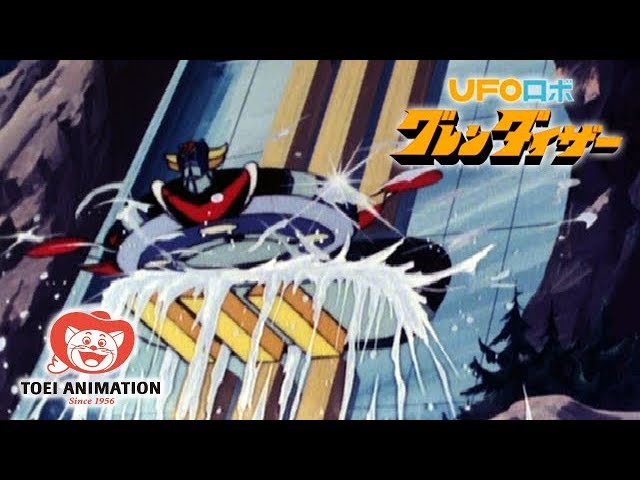
This is a heroic anthem characterized by a powerful melody and a message that resonates with the heart.
Depicting the exploits of a protagonist and a robot who protect the peace of Earth, the work’s gallant tone vividly expresses a deep appreciation for the planet’s beauty and the preciousness of peace.
Isao Sasaki’s passionate vocals convey courage and hope in the face of invaders from space.
Released in 1975, it was used as the opening theme for the TV anime UFO Robo Grendizer, which aired from that same year through 1977.
It was re-released in June 1998.
Highly recommended for those who want to thrill to the tale of a hero fighting for peace or draw energy from a fiery sense of justice.
Come here, Perman.Miwa Katsue

A theme song that captured the hearts of children who love anime based on Fujiko F.
Fujio’s works! Its bright, rhythmic melody and sincere lyrics fill you with a warm feeling, as if you can hear a friend calling from far away.
Katsu’e Miwa’s lively vocals gently convey the importance of friendship and helping one another, making it a wonderful track.
The single, released by Nippon Columbia in March 1983, was also used in the 2003 theatrical film, and since 2011 it has been adopted as the approaching-train melody at Noborito Station in Kawasaki.
It’s a song you’ll want to listen to when your heart is tired, when you want to help someone, or when you wish to bask in nostalgic memories.
Carrying YouInoue Azumi

Azumi Inoue’s song is known as the ending theme for the film Castle in the Sky.
It features a beautiful melody and moving lyrics that perfectly capture the film’s world.
Although it was created for the movie released in 1986, it was re-released on August 25, 2004.
The lyrics, written from the protagonist’s perspective, skillfully weave together a story of adventure and love.
Filled with nostalgia and hope, this song is perfect for moments when you want to bask in a nostalgic mood or need some encouragement.
As a beloved classic across generations, it’s a great choice to listen to with family and friends while reminiscing about old memories.
I’m Doraemon.Ooyama Nobuyo

I really love this song.
It brings out the most Doraemon-like atmosphere, and I’d love to hear it played again.
The gentle, heartwarming lyrics are absolutely wonderful.
Since it was written by Fujiko Fujio-sensei, I think it’s a song filled with tremendous affection.
Anime songs recommended for people in their 40s: from nostalgic classics to the latest hits (91–100)
Babel IIMizuki Ichirō

A powerful, valiant hero song of justice! This work depicts a young psychic boy living in the desert’s Tower of Babel and his three servants as they fight to protect peace on Earth.
Sung with heartfelt passion by Ichiro Mizuki and the Columbia Yurikago-kai as the opening theme for the television anime of the same name, which aired from January to September 1973.
The striking lyrics by the pen name “Toei Ni” pair perfectly with Shunsuke Kikuchi’s exhilarating, fast-paced melody.
Proclaiming hope for the future and the bonds of comrades, this piece continues to be loved as a fiery cheer song that resonates with both children and adults.