

Tear-jerking songs recommended for women in their 40s: classic and popular Japanese tracks


Here are some tear-jerking J-Pop songs I’d recommend for women in their 40s!
Your 40s can be a busy time, with lots of changes both at work and in your personal life.
In the midst of an overly hectic routine, you might feel worn out or suddenly feel like crying when you finally get a moment to breathe.
At times like that, why not listen to some songs that let you cry and reset your feelings?
I’ve gathered a variety of moving tracks—songs you might have listened to in your youth, as well as ones that resonate precisely because of the age you are now.
When your body and mind both feel unsettled, please give them a listen.
- Love songs recommended for women in their 40s: classic and popular Japanese hits
- Popular Japanese songs among women in their 40s: recommended classics and standard hits
- Tear-jerking songs recommended for women in their 50s: classic and popular Japanese hits
- Recommended tear-jerking songs for women: classic and popular J‑pop tracks
- Tear-jerking songs recommended for men in their 40s: classic and popular Japanese hits
- Recommended heartbreak songs for women in their 40s: classic and popular Japanese hits
- [So touching it makes you cry] A heartbreakingly wistful and sad song that tightens your chest
- Tear-jerking songs I want to sing at karaoke
- Tear-jerking songs recommended for women in their 30s: timeless Japanese hits that touch the heart
- [Tearjerker] Songs that make your heart tremble with tears & moving tracks with lyrics that touch the soul
- [Calling all low-voiced women in their 40s!] Songs that are easy to sing at karaoke
- Uplifting songs recommended for women in their 40s
- Attractive songs recommended for women in their 40s: Karaoke tracks that are popular with men
Tearjerker songs recommended for women in their 40s: Classic and popular Japanese tracks (41–50)
Poem of SunlightLe Couple
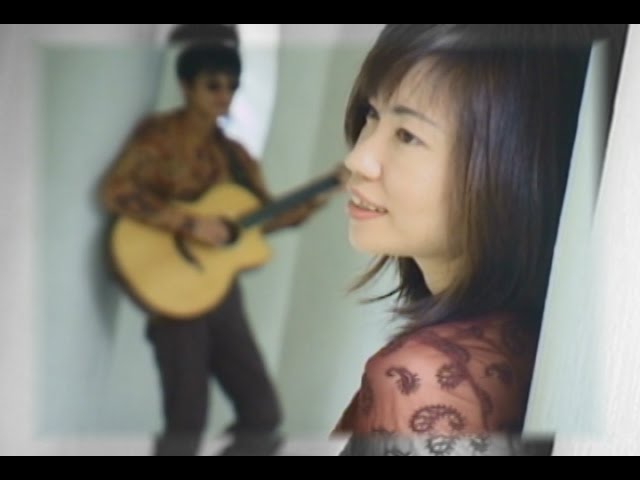
Le Couple means “couple” or “married couple” in French.
As their name suggests, this unit was indeed a married couple.
They went on hiatus in 2005.
In February 2007, the two began going their separate ways.
This song, released in 1997, became a hit as a TV drama’s theme song and sold 1.8 million copies, so many people may strongly associate them with that image.
Tear-jerking songs recommended for women in their 40s: Japanese classics and popular tracks (51–60)
makeupShimizu Shota

Kesho is a song that expresses the bittersweet feelings of a woman in love through makeup.
As one of Miyuki Nakajima’s signature breakup songs, it has been cherished for many years.
Here, we introduce the version covered by Shota Shimizu.
While the original is already quite heartrending, the cover’s whispery vocals give it an even more poignant feel.
Each has its own charm, so it’s worth listening to both and comparing.
Many artists, including Fuyumi Sakamoto, have also covered the song, so be sure to check those out if you’re interested.

A bouquet of flowers with loveSuperfly

Here is Superfly’s fourth single, released in 2008.
In Japanese music, this song has become a popular staple for wedding scenes and can be considered one of Superfly’s signature tracks.
With its dramatic composition and Shiho Ochi’s soaring, punchy vocals building toward the latter half, it’s a deeply moving piece.
The unit’s name is said to be taken from Curtis Mayfield’s song “Superfly.”
As long as we can laugh, it’s okay.Urufuruzu

From the very intro, it surges up and brings tears to your eyes—some listeners surely feel that.
Ulfuls’ “Waraereba” is their 24th single, released in 2002, and it’s one of the band’s most popular songs.
It was also used as the ending theme for the drama “Ginza no Koi,” which starred Tortoise Matsumoto.
Regardless of gender or generation, for those living with uncertainty and struggle, this is a song that moves you beyond simple emotion to tears—one you’ll likely want to return to again and again throughout your life, a song that will support you.

A gentle feelingChara

This is the 14th single by singer-songwriter Chara, who continues to captivate fans with her soul- and R&B-rooted musicality and her distinctive whispery voice.
Chosen as the theme song for Shiseido’s Tissera J commercial, it’s a cute number with an impressive melodic turn in the chorus.
The message, spun with a whisper-like delivery that expresses the complexities of a woman’s love, coupled with its catchy melody, is enough to bring you to tears.
For women in their 40s—the generation it belongs to—it’s a song you’ll want to add to your karaoke repertoire, and a masterpiece likely to go down in J-pop history.

destinyKato Miria

Rather than an unattainable love, Miliyah Kato’s “Destiny” powerfully conveys the heartbreak of not being noticed.
The song was included as the B-side to the single “WHY,” released in 2009.
The title “Destiny” means “fate,” and it’s a love song that brims with a strong, unwavering belief that her overwhelming feelings for him are “fate.” It’s a very bittersweet number, even as her feelings of deep love come across so directly.
planetariumOtsuka Ai

For many people, the strong image that comes to mind is the smash-hit drama Boys Over Flowers, isn’t it? The song Planetarium was released as a single in 2005 and has become one of Ai Otsuka’s signature tracks.
The sound of the shakuhachi adds a distinctly Japanese flavor and powerfully heightens the atmosphere of a summer night.
The feelings for someone you once loved, or for someone you’ll never see again, come through so poignantly that many listeners can’t help but empathize—and some may even find themselves moved to tears.