

[Calling all low-voiced women in their 40s!] Songs that are easy to sing at karaoke


Have you ever felt like you “can’t sing it because the range is too high” at karaoke? For women with lower voices, songs with high keys aren’t just uncomfortable to sing—they also make choosing songs a challenge.
But don’t worry.
In this article, we introduce a wide variety of songs with comfortable ranges that you can sing without strain, even if your voice is on the lower side! From nostalgic classics to the latest hits, find the perfect song that matches your voice!
- [Women in Their 40s] Even If You’re Tone-Deaf, You Can Sing! Karaoke Songs That Fit a Woman’s Vocal Range
- Easy-to-sing karaoke songs: Classic picks for women in their 40s
- A must-see for low-voiced women! Popular songs that are easy to sing at karaoke
- Karaoke songs that are easy to sing even if you’re not confident in your pitch (for women in their 50s)
- [2026 Edition] Karaoke Songs That Will Get the Crowd Going—Perfect for Women in Their 40s
- Attractive songs recommended for women in their 40s: Karaoke tracks that are popular with men
- Easy-to-sing Japanese karaoke songs recommended for women in their 50s
- [For Teen Girls] Popular Karaoke Songs That Are Easy to Sing
- Recommended for women in their 30s! Karaoke songs that are easy to sing even if you're not good at singing
- Famous songs we’d like women in their 40s to sing, by age group
- Karaoke songs that are easy to sing even for tone-deaf beginners, recommended for women in their 60s
- Karaoke songs that are easy to sing even with a low voice (for women in their 30s)
- [Vocaloid] Not too high, easy to sing at karaoke. Attractive low vocal range
[Calling all low-voiced women in their 40s!] Karaoke-friendly songs (11–20)
LOVE MachineMōningu Musume.

Morning Musume, the group that energized the early-2000s idol boom, is often surprisingly underestimated, but their songs are musically quite fascinating and incorporate underground influences from the time.
Among them, “LOVE Machine” is a remarkable work that distills funk and disco into techno and pop.
While rooted in Black music, the vocal lines retain a J-pop-style catchiness and are sung within a narrow range throughout.
Even women with lower voices should be able to sing it without issue.

First LoveUtada Hikaru

A signature ballad by Hikaru Utada that offers a rewarding challenge for low-voiced women in their 40s.
The range spans E3–F5, with plenty of high notes, but it captivates with a conversational verse and expressive emotion.
Many people will know this song.
Because it’s sung with a whispery tone, it likely brings to mind a kind of head-voice feel.
Basically, head voice requires steady breath support.
If you tense up when taking a breath, you’ll end up chest breathing and won’t inhale enough air.
Diaphragmatic (abdominal) breathing is crucial.
Also, since the song builds up a lot toward the end, be mindful of balancing your volume.
For the English parts, try singing fluidly along the melodic line to lock into the rhythm.

Dancing HeroOginome Yōko

An upbeat disco-style track you can belt out on vibe and momentum.
The range runs from A3 to C#5, with a higher section at the end, but once you lock into the rhythm, it feels great to sing.
It’s also perfect for getting the crowd going at karaoke! When you sing it, it’s best to articulate the first beat clearly.
If you project your voice solidly at the start, the rest will come out smoothly and it should feel comfortable to sing.
If you’ve got bandwidth while singing, try learning a few light dance moves—falling into the groove makes it even easier to keep the rhythm and feel even better performing it!
rainMoritaka Chisato

Among Chisato Moritaka’s songs, the masterpiece “Ame” (“Rain”) is especially popular.
Moritaka is known for her strikingly high timbre, but in fact she isn’t an artist with a particularly wide vocal range.
This song is no exception; it stays within a narrow range.
As a result, even women with lower voices can sing it comfortably if they adjust to a suitable key.
However, because the tempo is very slow, you’ll need to be mindful of sustaining long phrases cleanly with controlled muting.
It’s one of the easiest songs to sing in Japanese pop, so consider adding it to your repertoire.
Listening to OliviaAnri

Anri’s hit number “Listening to Olivia.” Thanks to the recent revival boom, it has gained some recognition among younger generations as well.
The song was released in 1978 and became a long-running hit with its distinctive musical style that blends New Music and kayōkyoku.
Its vocal range is somewhat narrow at mid1 G# to high C, and the pitch movement isn’t very drastic.
It’s slightly high for men and slightly low for women, making it highly recommended as a song that can be sung in the original key regardless of gender.
Azure RabbitNoriko Sakai
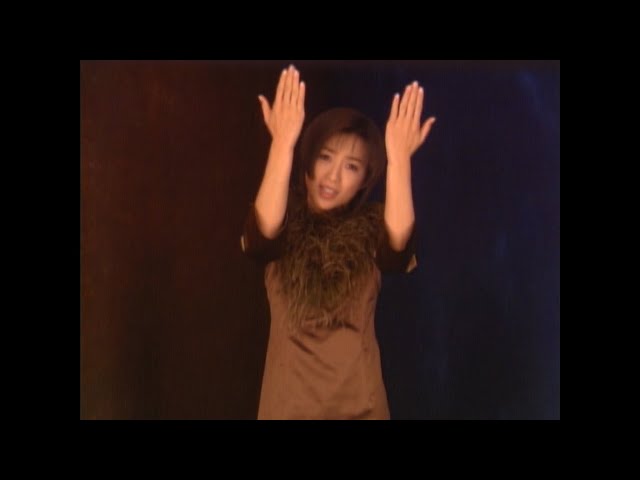
Noriko Sakai’s signature song “Aoi Usagi” (“Blue Rabbit”).
Although it’s classified as pop, the vocal lines are infused throughout with the essence of Showa-era kayōkyoku.
Because Noriko Sakai’s voice is so clear, people tend to assume it’s a high-pitched song, but the actual vocal range is quite narrow, so even women with lower voices can sing it without issue.
However, since many sections call for pronounced vibrato, be mindful of producing steady vibrato with solid support in the mid to lower-mid range.
Consider adding it to your repertoire.
[Calling all low-voiced women in their 40s!] Easy-to-sing karaoke songs (21–30)
vexing lipsTakahashi Mariko

Mariko Takahashi has remained popular since the 1970s.
She’s an exceptionally long-running artist who stayed at the forefront into the 1990s.
Because of that, I think even women in their 40s are quite familiar with her songs.
Among her works, the one I especially recommend is Hagayui Kuchibiru (“Frustrated Lips”).
It’s a striking piece featuring vocals influenced by Showa-era kayōkyoku and the distinctive synth sounds of the early ’90s.
In this song, the chorus reaches the highest notes, but it stays within the mid-to-high range overall, and the long sustained notes only appear in the lower register.
As a result, it’s a very singable tune for women with lower voices.