

Recommended Japanese bands for men in their 40s

Many people in their 40s likely devoted their youth to being in bands.
From nostalgic classics to newer groups you might not know, I’d like to introduce Japanese bands recommended for men in their 40s.
These bands are sure to capture your heart.
- Ranking of Popular Band Songs Among People in Their 40s [2026]
- Band Rankings Popular Among People in Their 40s [2026]
- Band rankings popular among people in their 50s [2026]
- Band rankings popular among people in their 30s [2026]
- [For men in their 40s] That nostalgic song you can enjoy at karaoke!
- Songs popular among men in their 40s. Timeless classics that bring back memories.
- [40s] Popular Japanese Music / J-POP Rankings [By Generation]
- Band Rankings Popular with Men [2026]
- Ranking of Popular Band Songs Among People in Their 50s [2026]
- Ranking of Japanese Bands Popular Among Men [2026]
- Recommended Japanese bands for men in their 50s
- Ranking of Popular Japanese Music and J-POP Artists Among People in Their 30s [2026]
- Funny songs recommended for men in their 40s
Recommended Japanese bands for men in their 40s (41–50)
UkifuneGO!GO!7188

This is a three-piece rock band formed by classmates Yuu and Akko from Kagoshima.
They specialize in surf rock and garage rock infused with traditional Japanese flavors, and made their major debut in 2000.
Skillfully weaving in elements of nostalgic Shōwa-era pop while adding a punk rock edge, they captivated many fans with their distinctive sound.
Their fiery live performances—driven by Yuu’s striking vocals and guitar, Akko’s bass, and Turkey’s drums—left audiences in awe.
Even after disbanding in February 2012, the members each continued their musical pursuits.
If you discovered rock in your youth, this band will surely resonate with you.
Stay GoldHi-STANDARD

They were a central band in the indie punk boom, building their reputation by touring with overseas artists like GREEN DAY and The Offspring, and despite being an indie band, they became a legendary act that ranked high on the Oricon charts.
HANABIMr.Children

Formed in 1989, they are one of Japan’s most popular and representative bands.
The vocalist, Kazutoshi Sakurai, has a sweet, wistful voice that appeals to fans of all generations.
Many of their releases are tie-in songs, and they enjoy such widespread support in the media that there’s hardly a day you don’t hear one of their tracks.
Tomorrow never knowsMr.Children

Formed in 1989, the accomplished rock band Mr.Children is an artist that represents the Japanese music scene.
They made their major debut in 1992 and quickly gained nationwide popularity.
They have achieved million-seller status with more than ten releases, and albums like Atomic Heart and BOLERO have sold over three million copies.
Characterized by Kazutoshi Sakurai’s distinctive vocals and lyrics rich in spiritual depth, their music continues to captivate listeners across generations.
With melodies and words that resonate with the listener’s heart, the band is supported by a wide range of age groups.
Their live house performances are breathtaking, offering a firsthand experience of music’s power and delicacy.
hologramNICO Touches the Walls
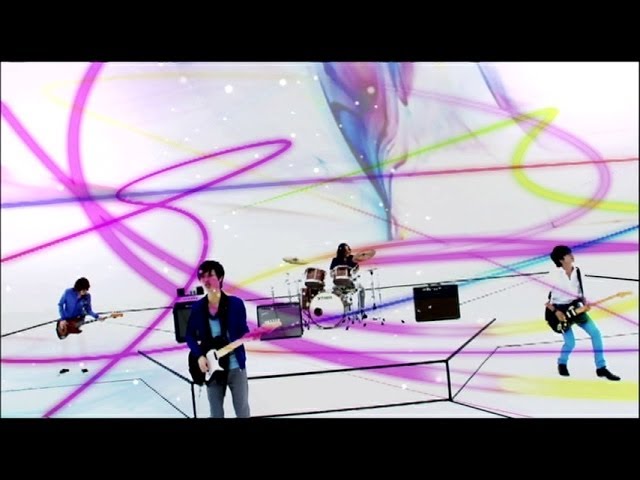
A four-piece rock band formed in 2004, named after the idea of imagining a new world beyond the wall.
While rooted in power pop and alternative rock, they drew attention for their distinctive sound that incorporated experimental elements.
Since their major debut in 2007, they have created a string of tie-in songs for popular anime, steadily expanding their fan base.
Centered on Tatsuya Mitsumura’s soaring vocals and outstanding songwriting, they consistently delivered energetic, uplifting messages.
From 2015, they also performed under an acoustic band moniker, showcasing their musical versatility.
Until their much-regretted breakup in 2019, they continued to capture the hearts of young listeners.
For those who encountered their music in their youth, they remain a wonderful band that lingers fondly in the heart.
Perfect-Sense DreamerONE OK ROCK

This rapidly rising rock band centers its sound on emo and rock, and its aggressive live performances have won strong popularity among younger generations.
They’ve signed not only in Japan but also with an American label, and they’re actively pursuing overseas activities.
Why I’m MeRIZE

Formed in 1997, the Japanese three-piece rock band RIZE delivers a unique sound that fuses a wide range of genres, including mixture rock, alternative rock, nu metal, and punk rock.
They made their major debut in August 2000 with the release of the album “ROOKEY.” After relocating their base of operations to Los Angeles, they expanded their activities overseas, including a U.S.
tour with Kottonmouth Kings.
In December 2017, they proved their prowess by successfully holding the first Nippon Budokan concert in the band’s history.
With passionate messages and overwhelming performances, RIZE continues to leave a powerful mark on the J-rock scene, offering a moving experience with their heartfelt, high-energy sound.