

Tear-jerking songs recommended for men in their 40s: classic and popular Japanese hits

When you hear the phrase “songs that make you cry,” what kind of songs come to mind?
From heartbreaking ballads like breakup songs to tracks that sing about life, there are many kinds of tear-jerkers.
In this article, we’ll introduce a comprehensive selection of moving songs recommended for men in their 40s!
We’ve picked a wide range—from songs that perfectly match your current situation to ones that will bring back old emotions and move you to tears—so be sure to read the lyrics and listen closely!
- Tear-jerking songs recommended for men in their 50s: classic and popular Japanese hits
- Recommended love songs for men in their 40s: classic and popular Japanese tracks.
- A collection of moving songs recommended for men in their 40s: music that resonates with the heart
- Tear-jerking songs recommended for men in their 30s: classic and popular Japanese tracks
- Tear-jerking songs recommended for women in their 40s: classic and popular Japanese tracks
- [2026] Recommended for Men in Their 40s! A Collection of Classic Japanese Breakup Songs
- [Tearjerker Guaranteed!] A Heartbreak Song Told from a Male Perspective
- Karaoke songs for men in their 40s: a curated selection of hit tracks women want to hear!
- Tear-jerking songs recommended for men in their 60s: classic and popular Japanese hits
- Hidden gem tearjerker songs. Recommended popular tracks
- [For Men in Their 40s] Easy-to-Sing Karaoke Songs and Guaranteed Crowd-Pleasers
- [For Men in Their 40s] A Collection of Songs That Score High at Karaoke [2026]
- Songs popular among men in their 40s. Timeless classics that bring back memories.
Tear-jerking songs recommended for men in their 40s: Classic and popular Japanese hits (1–10)
Bye For NowT-BOLAN

Clad head-to-toe in black and sporting a quintessential rock-band look, T-BOLAN still managed to produce many of the 1990s’ most iconic ballads.
Among artists grouped under the so-called Being-kei umbrella, they were rare in that they actively performed live as a rock band.
When it comes to their signature rock ballads, the first titles that come to mind are undoubtedly “Hanashitaku wa Nai” or “Bye For Now.” In this article, I’ll be focusing on the latter, which became the band’s only million-selling single.
From the intro, the synthesizer’s orchestral hits explode, and frontman Moritomo’s gutsy, vibrato-laced vocals and the band’s fiery sound are always a thrill.
The lyrics—said to have been written for a staff member departing for New York—are tear-jerking to say the least.
It’s surprisingly hard to nail at karaoke, but it feels so good to sing that plenty of people in their 40s just can’t resist!

Robinsonsupittsu

Anchored by Masamune Kusano’s one-of-a-kind worldview and a voice that seems to embody pure transparency, Spitz creates an inimitable sound through a superb band ensemble.
They racked up massive hits in the 1990s, and from the 2000s into the 2020s they continue to capture the hearts of young music listeners with their singular musicality.
Among their signature songs, the one that comes to mind is Robinson—an undeniable classic whose clean-toned, arpeggiated guitar intro can bring listeners to tears the moment it begins.
Released as a single in 1995, it became their biggest hit, selling over 1.62 million copies.
Although it narrowly missed the top three on the Oricon charts, its long-running sales turning into a blockbuster success feels very much like Spitz.
It’s a song best experienced together with its nostalgic, monochrome music video.
countrysideTamaki Kōji

For those currently in their early to mid-40s (as of 2021), Koji Tamaki may be more strongly associated with his work as a solo singer-songwriter and actor than as a member of Anzenchitai.
After scoring hits in the 1980s as the band’s frontman, Tamaki put band activities on hold from the 1990s and focused on his solo career.
His biggest solo hit is Denden (Countryside).
Released as a single in 1996, it was used as the theme song for Fuji TV’s Thursday drama Coach, in which he himself appeared, and that same year he performed it at the 47th NHK Kohaku Uta Gassen with none other than TOKIO backing him.
The lively music video, where you can enjoy Tamaki in various costumes, also left a strong impression.
Riding on a sound built around light, buoyant guitar backing, Tamaki’s superb vocals and melody deliver lyrics that powerfully affirm life—something you should definitely listen to when you find yourself at a crossroads.
Tear-jerking songs recommended for men in their 40s: Classic and popular Japanese tracks (11–20)
Like tonight’s moonElefanto Kashimashi
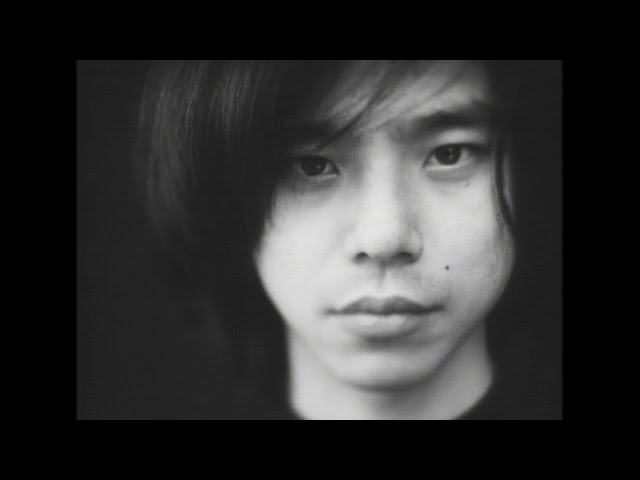
A band formed during their junior high school days evolved in different forms and continues on as today’s Elephant Kashimashi.
Early on, they mainly played covers of Western music and RC Succession, and if you listen with that in mind, you can hear echoes of Kiyoshiro Imawano’s free-form melodies woven throughout Elekashi’s songs.
Since this track was released in 1997, people in their 40s probably heard it in high school or college.
It was also the theme song for Fuji TV’s drama “Because the Moon Shines at Night,” so some might recall the show instead.
Makiko Esumi in that drama was unbelievably cool! The lyrics, which seem to liken life to “moving forward even while carrying a sense of helplessness,” really resonated with young people in their youth.
A nostalgic classic!
The Last RainYasushi Nakanishi

The 1990s, when CDs sold the most and J-pop experienced its golden age with a flood of nationwide hits, naturally produced many moving ballads as well.
“Saigo no Ame” (“The Last Rain”), released in 1992, is one of them.
Sung by Yasushi Nakanishi as a single, it was composed by Takashi Toshimi, a songwriter behind many classic J-pop tunes.
It’s a quintessential, textbook-standard hit—so popular that it’s almost always included on omnibus albums of ’90s ballads.
It’s also interesting that the lyrics, which depict a breakup from a male perspective, were written by Jun Natsume, a female lyricist.
Since its release, many artists have put out cover versions; in recent years, Crazy Ken Band covered it in 2021.
Some younger listeners may only know it through covers, but Nakanishi’s original—refined yet soulful—remains the best.
I highly recommend checking it out.
Tears of the MagnoliaStardust Revue
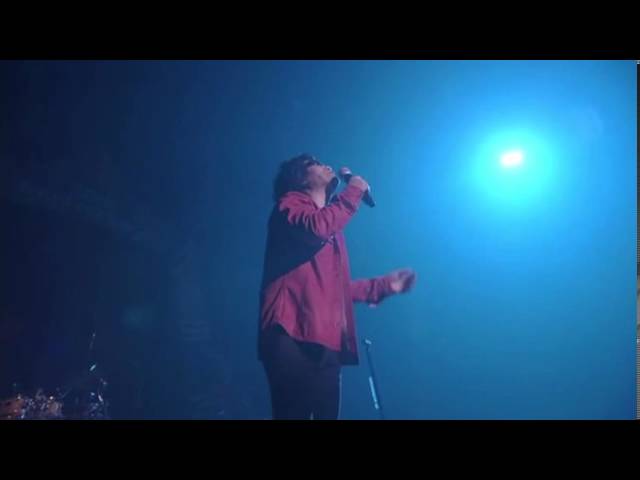
Originally included on the album “SOLA,” this Stardust Revue classic was released as a single in 1993 and re-recorded in 2005 as “Mokuren no Namida ~acoustic~,” remaining beloved for many years.
Even if the title doesn’t ring a bell, it’s likely a song you’ve heard somewhere.
While it may sound like a love song conveying feelings for a cherished person, the lyrics reveal that, for some reason, the two can no longer meet—and yet the longing to see them persists.
It’s a song that conveys a poignant, aching emotion.

I don’t want to let go.T-BOLAN

This is T-BOLAN’s second single, released in 1991.
It’s said that this song was the turning point that propelled T-BOLAN to instant popularity.
Beginning with gentle piano tones, it’s a warm ballad dedicated to a loved one.
Starting with a calm, tranquil verse, the intensity gradually builds, and in the chorus—with its famously memorable lyrics—the vocals soar as if releasing pent-up emotion, giving the impression that the feelings for that special someone embedded in the lyrics are overflowing.