

Tear-jerking songs recommended for men in their 40s: classic and popular Japanese hits

When you hear the phrase “songs that make you cry,” what kind of songs come to mind?
From heartbreaking ballads like breakup songs to tracks that sing about life, there are many kinds of tear-jerkers.
In this article, we’ll introduce a comprehensive selection of moving songs recommended for men in their 40s!
We’ve picked a wide range—from songs that perfectly match your current situation to ones that will bring back old emotions and move you to tears—so be sure to read the lyrics and listen closely!
- Tear-jerking songs recommended for men in their 50s: classic and popular Japanese hits
- Recommended love songs for men in their 40s: classic and popular Japanese tracks.
- A collection of moving songs recommended for men in their 40s: music that resonates with the heart
- Tear-jerking songs recommended for men in their 30s: classic and popular Japanese tracks
- Tear-jerking songs recommended for women in their 40s: classic and popular Japanese tracks
- [2026] Recommended for Men in Their 40s! A Collection of Classic Japanese Breakup Songs
- [Tearjerker Guaranteed!] A Heartbreak Song Told from a Male Perspective
- Karaoke songs for men in their 40s: a curated selection of hit tracks women want to hear!
- Tear-jerking songs recommended for men in their 60s: classic and popular Japanese hits
- Hidden gem tearjerker songs. Recommended popular tracks
- [For Men in Their 40s] Easy-to-Sing Karaoke Songs and Guaranteed Crowd-Pleasers
- [For Men in Their 40s] A Collection of Songs That Score High at Karaoke [2026]
- Songs popular among men in their 40s. Timeless classics that bring back memories.
Tear-jerking songs recommended for men in their 40s: Classic and popular Japanese tracks (11–20)
HOWEVERGLAY
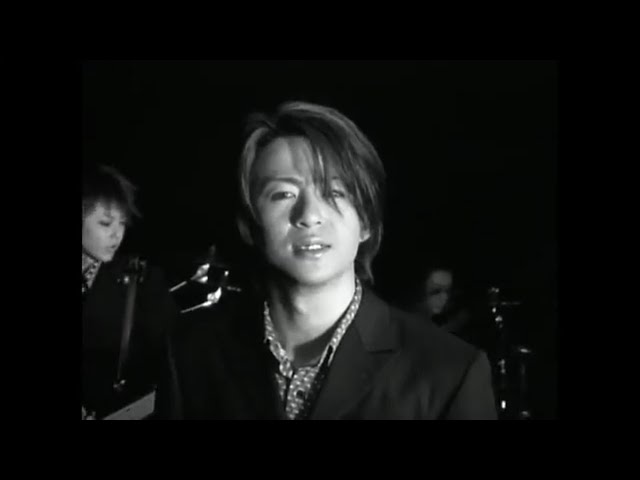
In the latter half and beyond, many people may have tried to tackle the sustained, very high vocal range and ended up giving up.
Today I’d like to introduce HOWEVER, a massive hit released in 1997 by GLAY—one of the quintessential rock bands of the ’90s that continues to enjoy steady popularity well into the 2020s—which also became their first million-selling single.
It’s an indisputable masterpiece that once again highlights the talent of TAKURO, the guitarist and band leader who wrote both the lyrics and the music.
Interestingly, at the demo stage the other members reportedly weren’t fond of the song.
It’s one of those stories that makes you genuinely glad it was properly completed and released as a single.
Unlike a typical rock ballad, this track stands out for its reggae-influenced rhythm part in the first verse, and I’d also encourage you to pay attention to JIRO’s bass line, which creates a distinctive groove.

OH MY LITTLE GIRLOzaki Yutaka

Yutaka Ozaki, a singer-songwriter who represents Japan and blazed through the 1980s, released many timeless songs during his life, but when it comes to tracks that truly move you to tears, this one is indispensable.
A celebrated ballad that Ozaki himself praised, it pairs a gentle, subdued accompaniment with his rough yet tender vocals.
The lyrics express a straightforward love for a cherished woman and vow eternal devotion—“I won’t ever let you go”—yet there’s a lingering poignancy that stirs the heart as you listen.

BE WITH YOUGLAY

Hearing that powerful melody that starts with the chorus might vividly bring back memories for many of you.
GLAY, the rock band that has set numerous records in Japan’s music scene.
Their 15th single, released in 1998, became widely known as the theme song for the Fuji TV drama “Tabloid.” The earnest lyrics by TAKURO, about believing in someone even in difficult times, hold a central presence on the classic album “HEAVY GAUGE.” The music video, shot on the streets of New York, matches the song’s grand scale and looks awesome.
For those feeling pressure at work or at home, TERU’s warm vocals are sure to resonate deeply.
Sunflower DreamSaitō Kazuyoshi

Overflowing with a sense of openness and carrying a positive message to go big without sweating the small stuff, this is a classic by Kazuyoshi Saito that resonates deeply with adults caught up in the demands of everyday life.
Featured on the concept album “ONE NIGHT ACOUSTIC RECORDING SESSION at NHK CR-509 Studio,” released in September 2012, this track was also used in the Sapporo Hokkaido PREMIUM commercial starring Nanako Matsushima.
The groove unique to its acoustic arrangement pairs perfectly with Saito’s warm vocals, creating a soothing comfort that makes your shoulders naturally relax as you listen.
Perhaps it’s precisely the generation shouldering responsibilities at work and at home that needs the song’s generous worldview.
Give it a listen on a weekend drive, or when you want to pause and take a deep breath!
TRUE LOVEFujii Fumiya

I think few people in their 40s today really remember The Checkers at their peak.
The members dressed in checkered outfits looked a bit mischievous, and above all, vocalist Fumiya Fujii’s hairstyle—with the sides shaved and thin bangs hanging down—became a huge craze.
It was that much of a phenomenon in an era without the internet or social media… The song that Fumiya, now an adult, sings tenderly is the classic “TRUE LOVE.” With lyrics pledging eternal love, it has become a wedding staple.
If you can play guitar, definitely try a solo acoustic rendition!
Sorrow like snowHamada Shogo

It’s a song released in 1981, but many of you may know it as the theme song for the 1992 drama “Ai to Iu Na no Moto ni” (“Under the Name of Love”).
It’s sung by singer-songwriter Shogo Hamada and is one of his signature tracks.
Because it’s such a well-known and popular song, there may be men in their 40s who always sing it at karaoke.
I feel the brilliance of the lyrics is packed into the first few lines.
It teaches us something vital about life—that it’s precisely when times are tough that we should cherish others.
Listening to this song makes you think, “There must be meaning in this trial too,” and gives you the courage to carry on.
It’s a deeply moving classic.
Tear-jerking songs recommended for men in their 40s: Classic and popular Japanese tracks (21–30)
Tomorrow never knowsMr.Children

A moving ballad whose lyrics portray the will to follow one’s heart despite the inner conflict of not knowing what tomorrow holds.
Released in November 1994 as Mr.Children’s sixth single, it’s known as the band’s biggest hit, with total sales exceeding 2.76 million copies.
Many may remember it as the theme song for the drama “All About Young Men,” starring Masato Hagiwara and Takuya Kimura.
It was later included on the album “BOLERO” and has continued to be loved by many fans to this day.
Its message of finding hope amid struggle gently supports a generation shouldering responsibilities at work and at home.
A masterpiece in J-pop history that you’ll want to revisit on a quiet, solitary night.