

Even if you’re tone-deaf, it’s okay! Easy karaoke songs for men in their 40s


“There are great songs for karaoke, but I just can’t hit the notes…” “I’m tone-deaf, so I’m not confident about singing…” No need to worry! Even if you think you’re ‘tone-deaf,’ you can absolutely enjoy karaoke by choosing the right songs.
In this article, we’ve gathered songs with easy-to-sing melodies that don’t require a wide vocal range.
With simple rhythms and catchy phrases, these tracks let you savor the essence of karaoke to the fullest.
We hope to help every music lover find a song that feels great to sing.
- [For People in Their 40s] Karaoke Songs That Are Easy to Sing: 2026 Ranking
- [For Men in Their 40s] Easy-to-Sing Karaoke Songs and Guaranteed Crowd-Pleasers
- Karaoke songs for men in their 40s: a curated selection of hit tracks women want to hear!
- [Even If You're Tone-Deaf, It's Okay!] Easy-to-Sing Karaoke Songs and Practice Tracks
- [Men in Their 50s, Gather Up!] Classic Karaoke Crowd-Pleasers & Easy-to-Sing Hits
- [For men in their 40s] That nostalgic song you can enjoy at karaoke!
- Karaoke songs recommended for men with low voices or who are good at singing in a low register
- Even karaoke beginners can relax! Easy-to-sing songs for men
- Recommended for men in their 30s: Karaoke songs that were a hit back in the day
- [For Men in Their 40s] A Collection of Songs That Score High at Karaoke [2026]
- [For Men] What Karaoke Songs Make It Easy to Score 100? A Curated List of Easy-to-Sing Tracks
- Karaoke songs where even men with low voices can aim for high scores
- [40s] Karaoke Crowd-Pleasers Ranking [2026]
[Even If You're Tone-Deaf, It's Okay!] Easy Karaoke Songs for Men in Their 40s (41–50)
Linda LindaTHE BLUE HEARTS

This was THE BLUE HEARTS’ debut single, released in May 1987.
It really rode the late-’80s band boom and became a big hit.
I imagine many people heard bands cover it at school festivals, or even sang it themselves in their own bands.
In terms of genre, it falls into what’s commonly called beat punk; both the melody and rhythm are very simple and easy to remember, and it doesn’t require a wide vocal range to sing, so it’s a fun song to try.
Not just this one—many BLUE HEARTS songs are great picks even for people who aren’t confident singers.

milk teaFukuyama Masaharu

This is Masaharu Fukuyama’s 21st single overall, released in May 2006.
It was issued as a double A-side single together with “Utsukushiki Hana,” which was included on the CD at the same time, and it was used as the theme song for the TBS variety show “Koisuru Hanikami!” It’s a slow-tempo ballad where the beautiful acoustic guitar sound and Fukuyama’s mature vocals are exquisitely matched.
There’s nothing particularly demanding in terms of vocal technique or complexity in the melody, but when singing this at karaoke, the most important thing is how you handle the spaces between phrases—how skillfully you “sing” the rests.
Cherish each word of the lyrics, study his original performance well, and then give it a try.
Kotodama of Love ~ Spiritual MessageSazan Ōrusutāzu

Southern All Stars’ classic song “Kotodama of Love ~Spiritual Message~.” Many people have probably heard it often at karaoke but didn’t know the title.
Among Southern All Stars’ songs, this one boasts one of the narrowest vocal ranges.
Not only is the range narrow, but it also centers on the low-to-mid register where male voices are most comfortable, so you’re unlikely to find it difficult from a vocal production standpoint.
The vocal line is gentle with little ups and downs, so be sure to give it a try.

Love will winKAN

This was KAN’s 8th single, released in September 1990.
It was originally used as the ending theme for TV Asahi’s “Quiz Omoshiro TV,” but after being featured as an insert song on Fuji TV’s “Yamachan’s Yamada Katsutenai TV,” it gained popularity and became a record-breaking long seller.
If you’re in your 40s, you probably experienced this hit in real time.
The melody is very familiar and easy to remember, so I imagine many people recall it vividly along with their memories from that time.
The tune is approachable, with no particularly difficult high or low notes, and the rhythmic pattern is simple, making it a great choice for those who aren’t confident singers to pick for karaoke.
There aren’t any especially tricky parts—so just sing it with energy and get the crowd going!
JAMTHE YELLOW MONKEY

This is the ninth single by THE YELLOW MONKEY, a four-piece rock band that made headlines with their 2016 comeback and captivates fans with a sexy, glam rock-inspired sound.
Released as a double A-side single with Tactics, a re-cut from their fifth album FOUR SEASONS, it was also used as the ending theme for the music program Pop Jam.
With its relaxed shuffle beat, the rhythm is easy to lock into, and the melody doesn’t have large jumps, making it a comfortable pick for karaoke.
It’s a song whose thought-provoking lyrics you’ll want to savor as you sing—highly recommended as a karaoke choice for those in their 40s.

HOWEVERGLAY
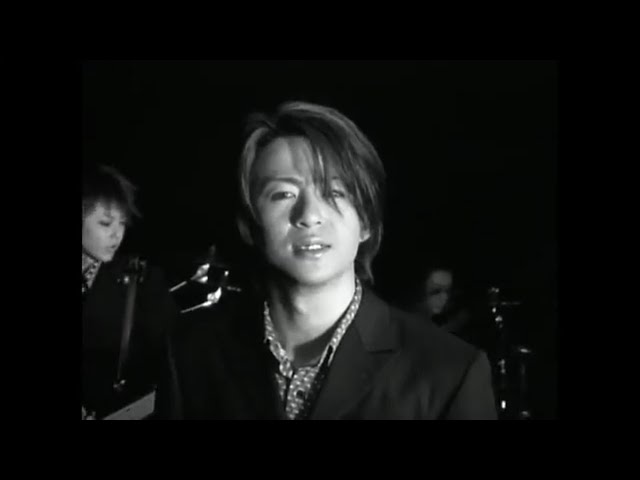
For those in their 40s, this is the kind of song that someone always sang at karaoke.
Released in 1997 as GLAY’s 12th single, it was a massive hit and a million-seller.
It’s a subdued ballad, but the vocal range is surprisingly narrow, so it lets you leave a mature impression.
In fact, TAKURO is said to have written it with a girlfriend from GLAY’s indie days in mind, so if you sing it while reminiscing about the past, you can capture the mood.
Pay attention to the lyrics that depict a grand love as you sing.

cherrysupittsu

This is Spitz’s 13th single, released in April 1996.
It was a major hit, selling over 1.6 million copies, and it’s popular across generations—not just among people in their 40s.
Although the key is a bit high for a male vocal, some might shy away from singing it at karaoke.
However, the vocal melody itself doesn’t span a very wide range, so if you adjust the key to suit your voice, it should be easy for anyone to sing.
The rhythm has a slight bounce to it, so try singing it with a light, lively feel!