

[For Men in Their 40s] Easy-to-Sing Karaoke Songs and Guaranteed Crowd-Pleasers


Have you ever found yourself at karaoke thinking, “I wish there were songs I could sing comfortably and enjoyably without pushing myself”? You might want to sing the latest hits, but the key is too high or the tempo too fast, so you end up choosing the same classics over and over…
For people like that, this article introduces a wide range of songs that are easy to sing and can liven up a karaoke session, including generational favorites for men in their 40s.
From nostalgic hit songs to the hottest tracks of today, you’re sure to find a tune that grabs the room’s attention without having to belt it out.
Use this as a guide to find new repertoire to show off at your next karaoke outing!
- Even if you’re tone-deaf, it’s okay! Easy karaoke songs for men in their 40s
- [Men in Their 50s, Gather Up!] Classic Karaoke Crowd-Pleasers & Easy-to-Sing Hits
- Karaoke songs for men in their 40s: a curated selection of hit tracks women want to hear!
- Karaoke songs recommended for men with low voices or who are good at singing in a low register
- [For People in Their 40s] Karaoke Songs That Are Easy to Sing: 2026 Ranking
- Recommended Japanese pop songs for karaoke for men in their 40s
- [For men in their 40s] That nostalgic song you can enjoy at karaoke!
- Even karaoke beginners can relax! Easy-to-sing songs for men
- Songs popular among men in their 40s. Timeless classics that bring back memories.
- [Even If You're Tone-Deaf, It's Okay!] Easy-to-Sing Karaoke Songs and Practice Tracks
- Karaoke songs where even men with low voices can aim for high scores
- [For Men in Their 40s] A Collection of Songs That Score High at Karaoke [2026]
- This is a sure hit! Hype songs men will want to sing as the first track at karaoke
[For Men in Their 40s] Easy-to-Sing Karaoke Songs, Guaranteed Crowd-Pleasers (11–20)
To the most important personTonneruzu

Tunnels’ classic song “To the Most Important Person.” When it comes to Tunnels’ tracks, this is probably the one many people think of first.
Despite its manly melody, the vocal line is surprisingly understated.
It’s especially notable for its narrow range, with every part kept in the low to low-mid register.
That range is the easiest for men in their 40s to sing, so it should be perfectly manageable for karaoke at after-parties or late-night gatherings.
Consider adding it to your repertoire.

Easy★RiderOkuda Tamio
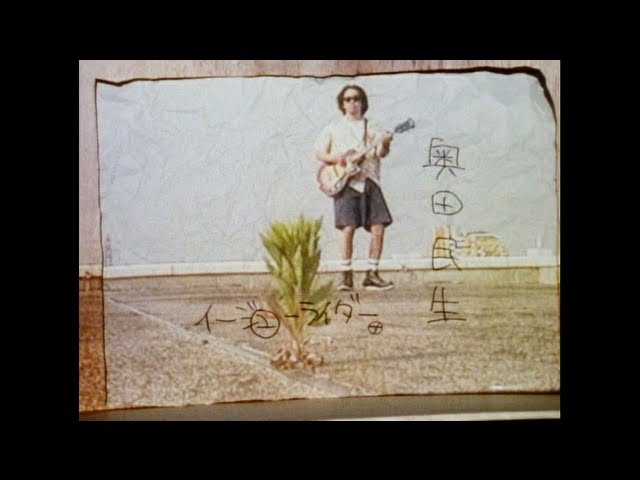
Easy Rider is a popular karaoke song that’s easy for men in their 40s to sing.
Released in 1996 as Tamio Okuda’s sixth single, it feels great to sing at karaoke.
You can relax your shoulders and sing it, and its groove and tempo are really comfortable.
It’s great for creating a laid-back vibe, so for example, when there are lots of people meeting for the first time and things feel a bit tense, singing it together can lighten the mood.
Highly recommended! Just like the title suggests, it’s a song you can “ride” easily.
homeKiyama Yusaku

An inspiring ballad filled with a father’s warm love and hopes for his child’s growth has been delivered by Yusaku Kiyama.
His gentle, calm voice conveys deep affection for family, and though the storytelling is simple, it leaves a lasting resonance in listeners’ hearts.
Released in February 2008, the song was featured as the ending theme for Nippon TV’s “Uta-Star!!” and Yomiuri TV’s “Joho Live Miyane-ya,” and it also earned him a spot in that year’s 59th NHK Kohaku Uta Gassen.
For karaoke, it’s recommended when you want to look back on family memories or express gratitude to someone important.
Enunciate clearly to deliver your feelings straight from the heart.
Goodbye ElegySuda Masaki
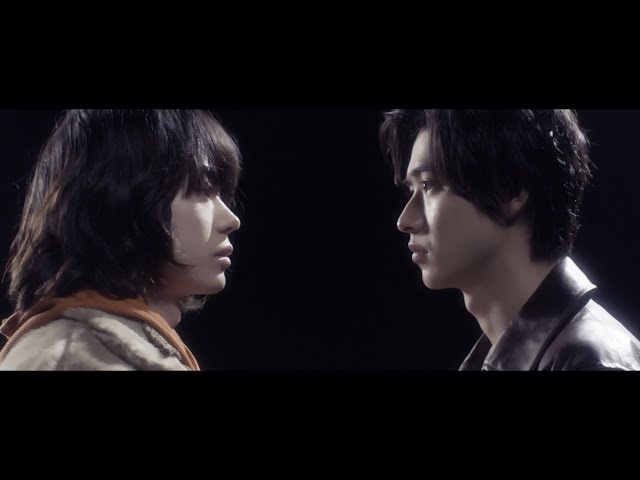
This is Masaki Suda’s third single, released in February 2018.
It was used as the theme song for the NTV drama series “Kiss that Kills.” The vocal melody doesn’t require a particularly wide range, and the tune itself flows very naturally.
It’s also up-tempo and easy to get into, so I think it’s a song many men can casually pick for karaoke and enjoy.
In the B-melody and elsewhere, the spacing between vocal phrases becomes a key point for delivering a good performance, so when you sing it, pay close attention to the beat of the backing track and make sure you can feel it firmly as you sing.

Island SongTHE BOOM

The first release of THE BOOM’s song in the original Uchinaaguchi (Okinawan) version was in December 1992.
Since then, several versions have been released, but the one we’re introducing here is the so-called “original version,” issued in June 1993 as their 11th single.
It was a massive hit that made THE BOOM known nationwide, so chances are you’ve heard it at least once.
Just listening to it brings to mind scenes of tropical seas—a classic of Heisei-era J-POP! The slightly folk-like vocal melody is striking, giving the song a strong impact, and it’s very easy to remember and sing.
Vocalist Mr.
Miyatake’s performance also incorporates a touch of traditional folk-style singing, and exploring that aspect could be fun.
For general listeners, of course, it’s perfectly fine to enjoy performing it in a bit of an imitation style.
milk teaFukuyama Masaharu

Masaharu Fukuyama’s 21st single overall, released in May 2006.
It was issued as a double A-side single together with “Utsukushiki Hana,” which was included on the CD at the same time, and it was used as the theme song for the TBS variety show “Koisuru Hanikami!” It’s a slow-tempo ballad where the beautiful acoustic guitar sound and Fukuyama’s mature vocals are exquisitely matched.
There aren’t any particularly tricky, technically difficult parts in terms of the vocal melody, but when singing this at karaoke, the most important thing is how you handle the spacing between phrases—how well you can sing the rests.
Cherish each and every word of the lyrics, and try singing after carefully studying the original performance.
[For Men in Their 40s] Easy-to-Sing Karaoke Songs and Guaranteed Crowd-Pleasers (21–30)
Shadow of TearsSha ran Q

Released just three months after the smash hit “Iiwake,” this is a melancholic ballad centered on the mid-to-low register, and it was featured as the ending theme for Fuji TV’s “HEY! HEY! HEY! MUSIC CHAMP.” Rather than Tsunku♂’s high notes, its low tones are especially appealing, so it’s a song I’d love to hear from singers who excel in the lower range.
Because low notes can sound muffled and hard to hear, the key is to make them resonate clearly.
Basically, low notes naturally resonate in the chest; if you direct your voice toward your head as you sing, both your head and chest will resonate, and you’ll suddenly hear your own voice better and increase your volume.
Don’t hesitate—project your voice with confidence!
