
Recommended Japanese pop songs for karaoke for men in their 40s


Has karaoke turned into nothing but a work obligation?
Singing with your boss or coworkers is important, but going to belt out your favorite songs with close friends or your partner feels amazing.
That rush you get the first time you sing a favorite song—while saying, “I don’t remember the lyrics at all!”—is the real charm of karaoke, isn’t it?
So this time, we’re introducing popular karaoke songs chosen by people in their 40s!
- Karaoke songs for men in their 40s: a curated selection of hit tracks women want to hear!
- [40s] Karaoke Popularity Ranking by Generation [2026]
- Songs popular among men in their 40s. Timeless classics that bring back memories.
- [For Men in Their 40s] Easy-to-Sing Karaoke Songs and Guaranteed Crowd-Pleasers
- [Men in Their 50s, Gather Up!] Classic Karaoke Crowd-Pleasers & Easy-to-Sing Hits
- Even if you’re tone-deaf, it’s okay! Easy karaoke songs for men in their 40s
- A roundup of songs for men in their 30s to sing [’90s–’00s tracks]
- Songs That Attract Women in Their 40s: A Curated Selection of Male-Vocal Tracks That Women Love!
- Attractive songs recommended for women in their 40s: Karaoke tracks that are popular with men
- [For People in Their 40s] Karaoke Songs That Are Easy to Sing: 2026 Ranking
- [For men in their 40s] That nostalgic song you can enjoy at karaoke!
- Recommended for men in their 30s: Karaoke songs that were a hit back in the day
- [Spring Songs Recommended for People in Their 40s] Relive Your Youth! A Selection of Nostalgic Tracks
Recommended Japanese pop karaoke songs for men in their 40s (81–90)
single bedSha ran Q

This is Sharam Q’s sixth single, released in October 1994.
It was used as the ending theme for the Nippon TV anime D・N・A²: A Girl Who’s Lost in Another World, and it became Sharam Q’s first million-selling hit.
It’s a classic, laid-back rock ballad! The way the lyrics fit the vocal melody is very straightforward, and the melodic range is easy for anyone to sing.
Even people who don’t usually sing will find it very approachable.
If you memorize the lyrics and sing with feeling, it will sound even better, so definitely give it a try!

Full-Power BoySukima Suichi

Takuya Ohashi’s gentle yet powerful vocals blend beautifully with the fresh sound of the acoustic guitar.
Centered on themes of growth and challenge, the song tenderly reminds us of the importance of not forgetting the pure feelings in our hearts, even as we become adults.
Released in April 2004 as the fifth single, it became beloved across generations as an NTT DoCoMo commercial song.
It was also included on the album “Kuusou Clip,” released the same year, and achieved steady sales.
With its relaxed tempo and a melody carried by stable pitch, it seeps into the heart alongside fond memories.
As a refreshing classic that anyone can enjoy, it will continue to linger in the hearts of many.
KanadeSukima Suichi

It’s Sukima Switch’s second single, released in March 2004.
It’s one of the standout J-pop classics of the Heisei era, having landed many tie-ins, including being featured in the film “Rough” and used as the CM song for Tokio Marine Nichido Anshin Life Insurance’s “Medical Kit R: Sukima Switch ‘Kanade’ for Tokio Marine Nichido Anshin Life” campaign.
If you’re a man in your 40s, chances are you’ve heard it at least once.
Musically, it’s a ballad with a very straightforward and beautiful melody, so I think anyone can hum along and sing it easily.
Try to sing it with care, treating each and every word of the lyrics with importance.
cherrysupittsu

It’s Spitz’s 13th single, released in April 1996.
Even though it had no tie-in at the time of release, it sold over 1.6 million copies—another quintessential Heisei-era J‑Pop classic! The melody is very easy to remember and sing, so be sure to learn it and have fun singing.
Just be careful not to make your singing feel too heavy.
Not just this track, but many songs released from the late ’90s to the early 2000s were written with karaoke in mind, making that era a treasure trove of karaoke-friendly songs.
I recommend searching from that angle too!
Beard and Boobsyunikōn
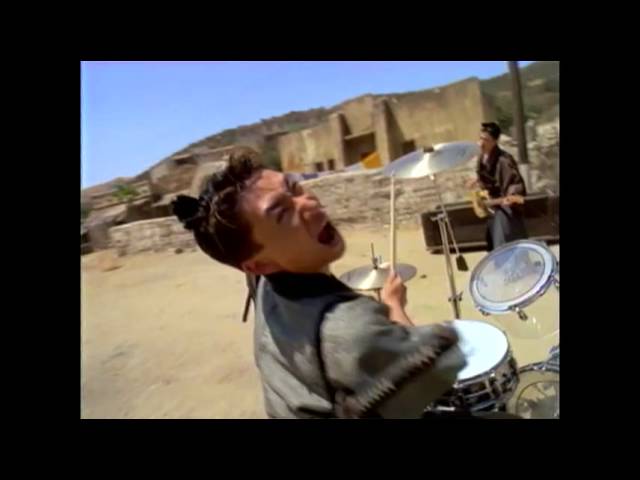
One of Unicorn’s signature works, this song humorously portrays the wavering emotions caught between a salaryman’s job and his love life.
Tamio Okuda’s lyrical world shines as he deftly weaves in modern workplace relationships, from a young company president to the woman at the neighboring desk.
Released in October 1991, the track features an arrangement inspired by the grand sound of Electric Light Orchestra, with a striking use of synthesizers.
As the closing song on the album “Hige to Boin,” it brilliantly conveys the complex feelings of a man who can’t give up on love even while being overwhelmed by work.
It’s a perfect pick for livening up after-work karaoke with colleagues.
LA LA LA Love SongKubota Toshinobu
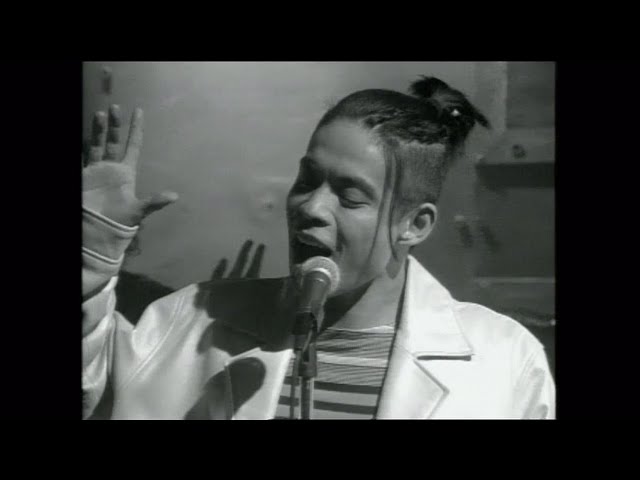
Released in 1996, this song was used as the theme for the TV drama “Long Vacation” starring Takuya Kimura.
It’s an upbeat, stylish track that, as the title suggests, sings a message of love to someone special.
Perfect for anyone who wants to show a more mature side to listeners!

Recommended Japanese karaoke songs for men in their 40s (91–100)
Hide-and-seekYuuri

For men in their 40s who are looking for recent hit songs that are easy to sing, I recommend Yuuri’s Kakurenbo.
Yuuri originally made his major debut as the frontman of a rock band, but after the group disbanded, his street performances drew attention, and he re-debuted in 2020 as a singer-songwriter.
While he’s especially popular with Gen Z, his novel-like lyrics and carefully woven melodies resonate deeply even with listeners in their 40s.
Kakurenbo is one of his signature songs, and among Yuuri’s tracks it’s arranged in a relatively lower key.
Although the chorus does reach slightly higher notes, the overall range is narrower, making it easy to sing.
The parts sung with power carry a captivating nuance that reflects his rock background, so if you enjoy ballads, definitely give it a try.
