

[For men in their 40s] That nostalgic song you can enjoy at karaoke!


After company drinking parties or class reunions, many men in their 40s—right in their prime working years—probably find themselves going to karaoke quite often, don’t they?
Still, when it’s actually your turn to sing, it’s easy to get stuck on what song to choose.
You may want to sing the nostalgic tunes that were the soundtrack of your youth, but sometimes it’s hard to settle on one.
So in this article, we’ll introduce lots of karaoke songs that really get men in their 40s fired up!
For today’s forty-somethings, their teenage years were around the 1990s, when the Komuro Family, Being artists, and rock bands that are still popular today were all in their heyday!
From among the songs popular with men in their 40s, we’ve picked out timeless hits that are widely known across generations.
Use this as a reference for your next karaoke session.
- Karaoke songs for men in their 40s: a curated selection of hit tracks women want to hear!
- Songs popular among men in their 40s. Timeless classics that bring back memories.
- Even if you’re tone-deaf, it’s okay! Easy karaoke songs for men in their 40s
- [40s] Karaoke Crowd-Pleasers Ranking [2026]
- [2026] Japanese karaoke songs that get men in their 50s pumped up
- [For men in their 30s] Must-play karaoke hits that always get the crowd going
- A collection of moving songs recommended for men in their 40s: music that resonates with the heart
- [40s] Karaoke Popularity Ranking by Generation [2026]
- Must-see for men: Songs that look cool if you can sing them at karaoke—numbers that women can’t help but be captivated by.
- This is a sure hit! Hype songs men will want to sing as the first track at karaoke
- [For Men in Their 40s] A Collection of Songs That Score High at Karaoke [2026]
- Songs Women Want Men to Sing: Popular Karaoke Picks Chosen by Girls
- [2026 Edition] Karaoke Songs That Will Get the Crowd Going—Perfect for Women in Their 40s
[For men in their 40s] Those nostalgic songs you can enjoy at karaoke! (141–150)
homeKiyama Yusaku
A moving ballad filled with warm father-to-child love and hopes for growth has been delivered by Yusaku Kiyama.
His gentle, calm voice conveys deep affection for family, and despite its straightforward storytelling, it leaves a lasting resonance in the listener’s heart.
Released in February 2008, the song was featured as the ending theme for Nippon TV’s “UtaSta!!” and Yomiuri TV’s “Joho Live Miyane-ya,” and it also led to his appearance at the 59th NHK Kohaku Uta Gassen that same year.
For karaoke, it’s recommended when you want to reflect on family memories or express gratitude to someone special.
It’s a tender, warmth-filled song—like softly returning someone’s hand squeeze under a bright sky.
White LoversKuwata Keisuke

A gem of a ballad, richly expressing the bittersweet feelings of winter love, has been delivered by Keisuke Kuwata.
It’s a moving piece that looks back on warm memories of love, as if wrapped in snow, with a sense of blessing.
Rather than lamenting a past romance as a mere failure, it impressively celebrates the moments of that love from the heart.
Accompanied by a beautiful, resonant melody, it conveys a gentle warmth within the chill of winter.
Released in October 2001, the song was featured in a Coca-Cola commercial and sold 520,000 copies on the Oricon weekly chart.
It’s a perfect choice for winter karaoke with family and close friends when you want to share heartwarming memories.
I won’t fall in love anymore.Makihara Noriyuki
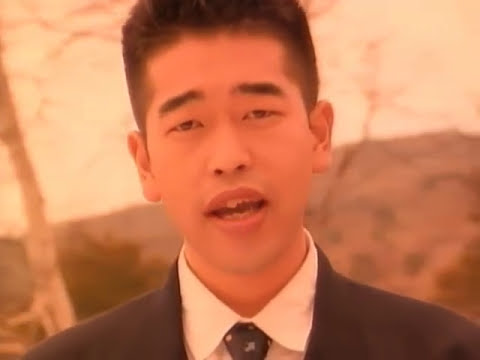
A signature song by Noriyuki Makihara, distinguished by its heartwarming melody that embraces both the ache of heartbreak and a brave front.
It gently portrays memories of a former lover and the nostalgia of everyday life, while the protagonist’s resolve to move forward resonates deeply with listeners.
Released in May 1992, it was chosen as the theme song for the NTV drama “After the Children Are Asleep.” Included on the album “Kimi wa Boku no Takaramono,” it became a major hit, ranking 7th on Oricon’s year-end chart.
This piece is a companion for those standing at life’s crossroads.
When you gather with friends for karaoke, its universally relatable lyrics and melody are sure to warm the heart.
Burning HeroOkita Hiroyuki

A towering landmark of anime songs that sings of dreams and passion over samba rhythms and a catchy melody! This masterpiece briskly and humorously portrays the presence, skill, and influence of an ace player.
Hiroyuki Okita’s refreshing vocals brilliantly capture the allure of soccer and the throbbing energy of youth.
Released in 1983 as the opening theme for the TV Tokyo anime Captain Tsubasa, it became a classic that helped spark the soccer boom.
In 2018, it was remade by Ryuhei Maruyama of Kanjani Eight.
It’s a song that powerfully pushes the backs of everyone striving toward their dreams—not just soccer fans—and one we highly recommend you listen to.
Sake, Tears, Men, and WomenKawashima Eigo

This is a socially conscious masterpiece that portrays the subtle miscommunications between men and women and the nuances of emotional expression with deep insight.
It warmly observes how men open up through drinking and women through tears, each revealing their inner feelings.
Born from impressions Eigo Kawashima had at age 18 during a family memorial gathering, the song was included on the November 1975 album “Jinrui” (Humanity) and released as a single in June 1976.
Also known as the jingle for the sake brand Kizakura, it became a major hit, reaching No.
9 on the Oricon weekly chart.
It is a gem I recommend to anyone who wants to face their heart honestly when confronted with life’s sorrow and poignancy.
Sneaker BluesKondō Masahiko

A classic song that strikingly combines poignancy and strength, depicting the breakup of lovers who raced through the season of youth.
With fond memories of time spent together in matching sneakers held close to their hearts, the pure emotions of young love overflow in a stirring melody and vocals that many listeners will find relatable.
Released in December 1980 as Masahiko Kondo’s debut single and used as the theme song for the film “Youth Graffiti: Sneaker Blues,” it debuted at No.
1 on the Oricon chart.
It’s a track that resonates even more deeply now with nostalgic memories as the years have passed.
Perfect for reliving past romances and getting fired up at karaoke with friends.
ApolloPorunogurafiti

This song is striking for its bouncy beat and space-themed lyrics.
Its worldview—where dreams and reality, past and future intersect—captures listeners’ hearts and doesn’t let go.
Released in September 1999, it was used as the ending theme for “Koko ga Hen da yo Nihonjin.” As Porno Graffitti’s debut single, it became a major hit, peaking at No.
5 on the Oricon charts.
For many men in their 40s, it’s likely a track that brings back memories of their youth.
It’s perfect for when you want to fire up a karaoke session or sink into a nostalgic mood.