

Recommended love songs for men in their 40s: classic and popular Japanese tracks.

No matter how old you are, being in love is always something wonderful, isn’t it?
Many men in their 40s probably had bittersweet romances in their youth and drew strength from countless love songs.
In this article, we’ve compiled a selection of nostalgic Japanese love songs popular among men in their 40s—tunes that bring back memories of those days.
Listening to these songs while recalling the feelings and moments from back then can be a great way to unwind and refresh yourself.
Be sure to check them out!
- Tear-jerking songs recommended for men in their 40s: classic and popular Japanese hits
- Karaoke songs for men in their 40s: a curated selection of hit tracks women want to hear!
- Songs That Attract Women in Their 40s: A Curated Selection of Male-Vocal Tracks That Women Love!
- Love songs recommended for women in their 40s: classic and popular Japanese hits
- Songs to give to your lover or someone you like. Love songs devoted wholeheartedly to your boyfriend or girlfriend.
- Songs popular among men in their 40s. Timeless classics that bring back memories.
- [2026] Recommended for Men in Their 40s! A Collection of Classic Japanese Breakup Songs
- [2026] A Roundup of J-POP Cheer/Support Songs Recommended for People in Their 40s
- A collection of moving songs recommended for men in their 40s: music that resonates with the heart
- [Spring Songs Recommended for People in Their 40s] Relive Your Youth! A Selection of Nostalgic Tracks
- [2026 Edition] Youth Anthems for Your 40s! A Roundup of Popular Heart-Pounding × Heartwarming Songs
- Recommended heartbreak songs for women in their 40s: classic and popular Japanese hits
- Tear-jerking songs recommended for women in their 40s: classic and popular Japanese tracks
Recommended love songs for men in their 40s: Classic and popular Japanese hits (61–70)
First loveHata Motohiro

A ballad by Motohiro Hata, woven with sincere feelings carried by his clear, translucent voice.
He tenderly portrays memories of a love that ended against the flow of fate, likening them to a blue apple and tangled threads.
Released in January 2013 as the ending theme for the TV anime “Space Brothers” and later included on the album “Signed POP,” this work is a characteristically minor-key song from Hata.
Coupled with Seiji Kameda’s delicate arrangement, it strikingly depicts the pain and regret of a love that reached its farewell while still immature.
Hata’s relatable vocals make it a song that recalls the bitter experiences of a first love.
lipsGLAY

An erotic number that captures both aching infatuation and passionate love.
Swept up by irresistible desire, the protagonist’s heart grows increasingly unsettled by feelings for their partner—expressed powerfully against GLAY’s signature, high-velocity sound.
The striking guitar riff and melody sung in a higher key further accentuate the emotions swirling within.
Released in May 1997, the song was used as the ending theme for Fuji TV’s “HEY! HEY! HEY! MUSIC CHAMP” from April to June of the same year, and became a major hit as the band’s first Oricon No.
1.
It’s the perfect track for cranking up the energy with friends at karaoke or letting your feelings out.
forever; for good; indefinitelyGReeeeN

A ballad layered with memories of lovers and infused with vows for the future.
With a lovely melody and heartwarming lyrics, it gently portrays days spent with someone dear.
Included on GReeeeN’s album “Shio, Kosho,” it has captured many hearts since its release in June 2009.
Focusing on the happiness found in everyday life, it tells a story of pledging eternal love through cherished photographs, and is also beloved as wedding background music.
Embracing the feelings of those in love and brimming with hope for the future, this work is recommended for moments when you want to reaffirm the bond with someone special.
Endless JourneyMr.Children

This is one of Mr.
Children’s signature works, featuring impressive lyrics that depict the journey of life and a grand, sweeping sound.
Its universal messages—about the importance of moving forward, the courage to face hardship, and the quest to find your ideal self—resonate deeply.
Released in October 1998 and used as the theme song for the TV drama “Naguru Onna,” it became one of their defining tracks.
It’s a song that will surely support those who keep striving toward their dreams and goals, as well as those standing at a crossroads or searching for themselves.
Lover of Möbiusushirogami hikaretai

A lyrical love song that layers an endlessly continuing romance over a Möbius strip.
Though it’s an idol song that sings of eternal love, Yasushi Akimoto’s lyrics, infused with philosophical notions like déjà vu and past lives, harmonize beautifully with Tsugutoshi Gotō’s graceful melody.
Ushirogami Hikaretai released the song in November 1987, and it reached No.
4 on the Oricon charts.
It was also included on the album “BAB” and became well-loved as the ending theme for the Fuji TV anime “Tsuideni Tonchinkan.” It’s a recommended track for twilight dates or when you want to sink into memories of first love.
Savor this gem of a pop tune—brimming with the bittersweet ache of youth—in a moment of quiet.
ForeverGosuperāzu
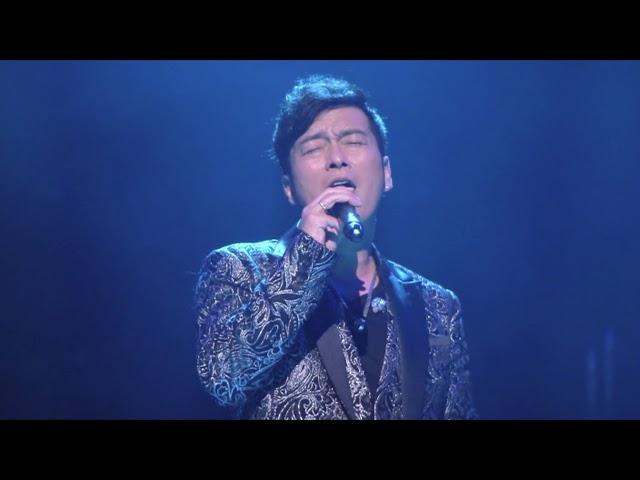
This celebrated song, which sings of an eternal bond with a loved one, gently conveys the unbreakable feelings that exist precisely because love is formless.
Transcending physical distance, the unwavering longing for the other person resonates in the heart alongside beautiful harmonies.
Released in August 2000, the track stayed on the Oricon chart for an impressive 44 weeks and was selected as the opening theme for TV Tokyo’s JAPAN COUNTDOWN.
Its diverse arrangements—hallmarks of The Gospellers—are part of its appeal, including the Album Version on the album “Soul Serenade” and the “unplugged live version” included on the single “Hitori.” It remains a beloved song that makes you want to sing while thinking of someone special, especially after time spent talking with friends.
Midsummer FruitSazan Ōrusutāzu

A classic song released in July 1990 that poignantly portrays a bittersweet love.
As the theme song for the film “Inamura Jane,” directed by Keisuke Kuwata, this ballad was presented to the world by Southern All Stars.
Set against the transition from late summer to autumn, it delicately weaves the feelings of a man reflecting on a past romance with subtle melodies and beautiful words.
Memories by the seaside, the lingering traces of love that remain in the heart, the loneliness of being drenched by the chill of autumn rain—its poetic world resonates deeply with listeners.
After its release, it reached No.
4 on the Oricon Weekly Singles Chart and became a hit certified Platinum.
It’s a song that gently accompanies those nights when you want to dwell in the afterglow of summer and face your nostalgic memories.