

Conversations will heat up! Surprising love trivia and little-known facts

“I’ve started to like someone, but how can I get closer to them?” If you’ve ever wondered that, here’s a collection of romance trivia and fun facts you’ll want to know.
Packed with psychology that matters in relationships, hints for understanding the other person’s feelings, and communication secrets that will make you go “Aha!”, this guide has it all.
Whether you’re experienced in love or just starting out, you’re sure to discover something new.
You’ll likely be surprised by the unexpected truths behind human relationships and romance.
Conversation Starters! Surprisingly Little-Known Trivia and Fun Facts About Love (1–10)
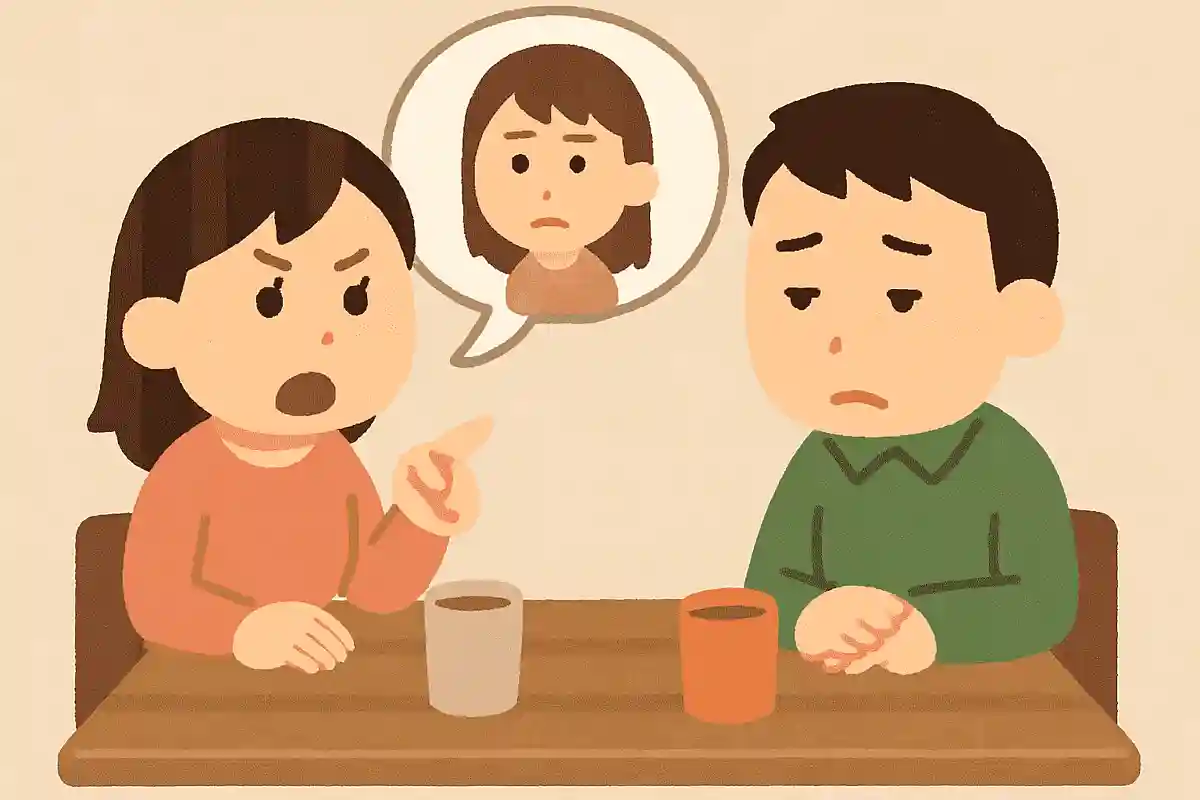
Talking badly about your partner makes it easier for the relationship to end.
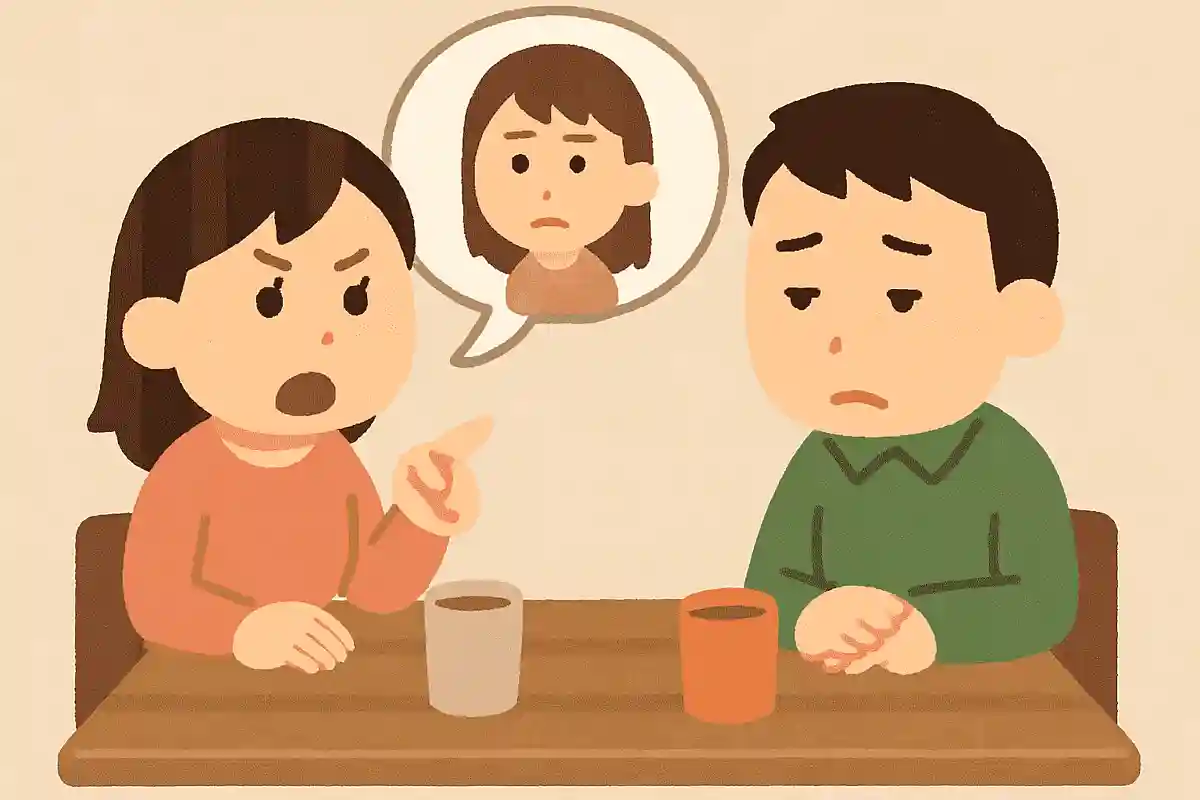
If you want your relationship with someone important to last, you should avoid speaking ill of them.
Even as a joke, talking to others about your partner’s flaws can unconsciously lower your own opinion of them, leading negative feelings to build up over time.
Involving third parties can also erode trust, making it harder to repair the relationship.
Even small complaints are best addressed directly with the person, which is a key to maintaining a healthy relationship.
Venting to others may make you feel better in the moment, but it’s a tidbit worth noting that a single comment could end up hastening a breakup.

It’s effective to write love letters in the morning.
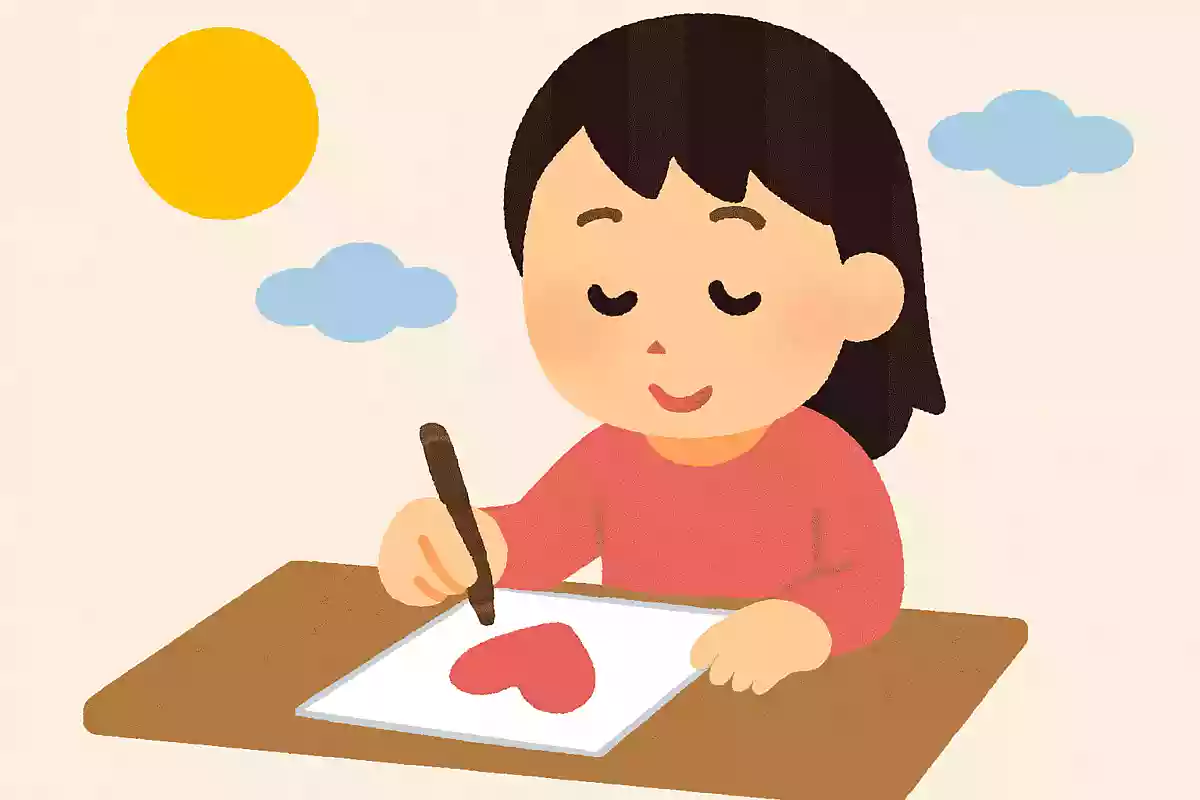
When you entrust your romantic feelings to a letter, pay attention to the time of day you write it.
In fact, it’s said that writing a love letter in the morning is especially effective.
Morning is when your brain works most clearly and positive emotions tend to surface, so warmth and sincerity naturally come through in your words.
Compared to nighttime, you’re less likely to be swayed by unnecessary emotions, which helps you convey your feelings directly.
When expressing your heart, timing—when you write—matters as much as content.
Calming your mind as you write can make your message resonate more deeply.
It’s an intriguing bit of love-related trivia.
Smell genetically determines compatibility with a partner.
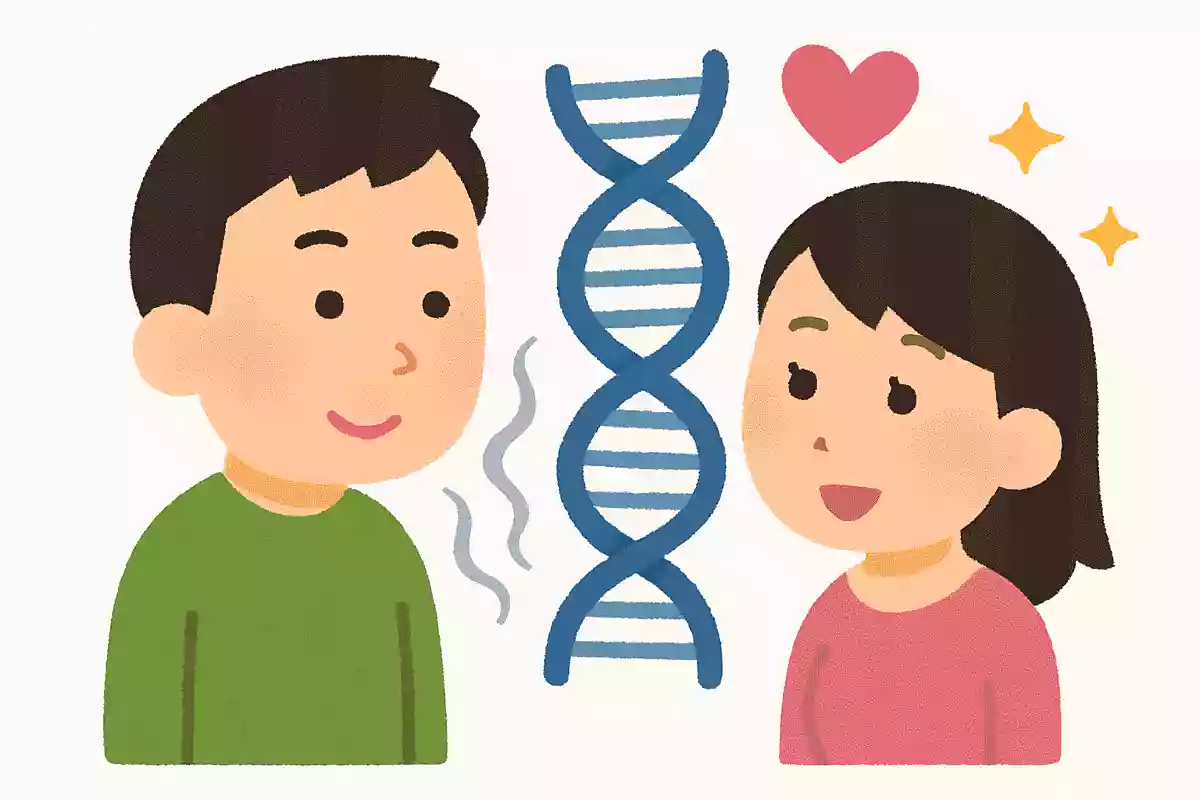
Did you know that scent plays an important role in romantic attraction? It’s said that humans subconsciously detect genetic compatibility from a partner’s natural body odor.
Research suggests we can sense differences in HLA genes, which are related to immunity, through scent and tend to be more attracted to partners with types different from our own.
This is considered an instinctive choice aimed at producing healthier offspring—an invisible mechanism at work at the very start of love.
It’s a fascinating, science-backed tidbit about romance: along with looks and personality, scent can be a factor in how we form romantic preferences.
Imitating the other person’s behavior makes it easier for them to like you.
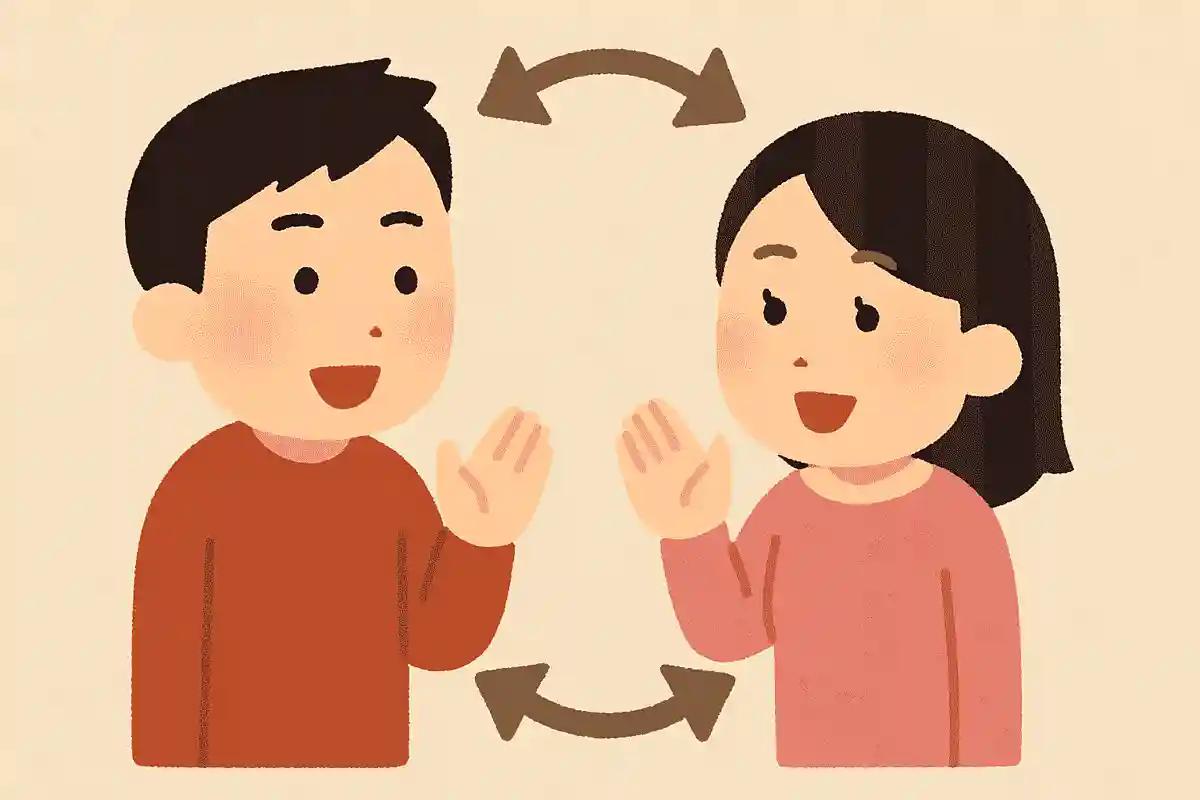
There is a psychological tendency for people to feel a sense of closeness toward those who resemble them or move in the same way.
For example, subtly mimicking someone’s movements—like taking a sip of your drink when they do—can unconsciously make them feel you’re in sync.
This phenomenon is known as the “mirroring effect,” a powerful psychological technique applied even in sales and presentations.
In romance, naturally mirroring the other person’s gestures can significantly shorten the distance between you.
However, overdoing it can feel unnatural, so caution is needed.
It’s a bit of relationship psychology trivia where attentiveness holds the key.
A broken heart can affect the brain and body.
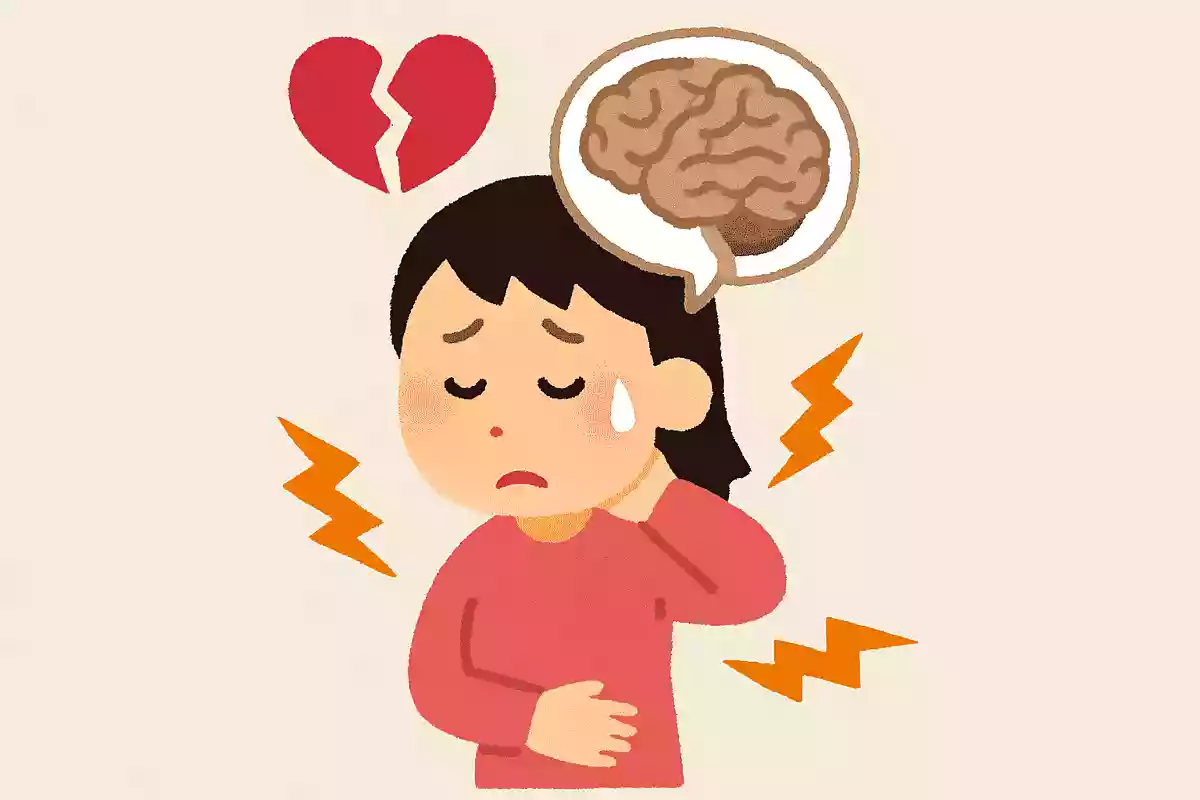
Many people have experienced things like chest pain or loss of appetite after a breakup.
In fact, we know that when love ends, it has various effects on the brain and body.
The emotional pain of heartbreak activates areas in the brain similar to those involved in physical pain, producing a suffering much like what you feel when you’re actually injured.
Also, a surge of stress hormones can lower your immunity and make it hard to sleep.
It’s a bittersweet piece of love trivia showing how the end of a romance affects not just the heart but the entire body—evidence of the deep connection between emotion and physiology.
Romantic feelings have effects similar to those of drugs.

When you fall in love, your mood can soar and the ordinary everyday suddenly feels vivid.
This sensation is influenced by substances like dopamine and phenylethylamine released in the brain, and it’s very similar to the excited state induced by drugs.
That’s why, in the early stages of romance, you might lose your appetite or have trouble sleeping.
It’s evidence that the brain in love is in a state of arousal.
Some say love energizes life because the brain rewards you with pleasure.
It’s a surprising little piece of love-related trivia with a scientific basis for that feeling of infatuation.
Prolonged eye contact tends to lead to romantic feelings.

Romantic feelings often begin with eye contact, and research shows that gazing into each other’s eyes for an extended time can make people more likely to fall in love.
By quietly facing each other and maintaining eye contact for a few minutes, you can move past nervousness or shyness and increase feelings of closeness and affection.
This phenomenon resembles the psychological “suspension bridge effect,” where a racing heartbeat is interpreted as romantic attraction.
Even with someone you’re not consciously interested in, repeated eye contact can stir your emotions for this reason.
Eye contact conveys more than words and is a crucial tool in romance.
It’s a quirky piece of trivia: the power of a gaze can nurture love.