

Conversations will heat up! Surprising love trivia and little-known facts

“I’ve started to like someone, but how can I get closer to them?” If you’ve ever wondered that, here’s a collection of romance trivia and fun facts you’ll want to know.
Packed with psychology that matters in relationships, hints for understanding the other person’s feelings, and communication secrets that will make you go “Aha!”, this guide has it all.
Whether you’re experienced in love or just starting out, you’re sure to discover something new.
You’ll likely be surprised by the unexpected truths behind human relationships and romance.
- A love cheer song! An uplifting love song
- More Than Friends, Not Quite Lovers: A Collection of Love Songs About That Delicate In-Between
- [Love Songs] Must-Relate! A Selection of Japanese Love Songs with Great Lyrics
- [A Gem of a Love Song] Classic and Popular Tracks to Listen to When You're in Love
- An upbeat love song. A feel-good romance tune.
- Hidden gems of love songs. Recommended popular tracks.
- [Love Songs] A roundup of classic and latest hits about love that can’t be honest
- [By Situation] 6 Types of Love Songs: A Collection of Romance Tracks That Resonate with the Heart
- Songs that make you want to fall in love just by listening! Classic love songs recommended for Gen Z
- A song that supports love. A romance song that gives you a gentle push.
- [Love Songs] Say Goodbye to Uncertain Feelings! Love Songs to Listen to When You’re Not Sure If You Like Someone
- [Confession Song] A Courageous Song for Those in Love & the Newest Love Songs
- Songs about love. A collection of classic love songs.
Conversation Starters! Surprisingly Little-Known Trivia and Fun Facts About Love (1–10)
A first date is most effective when it lasts over three hours.
How long you set for a first date is actually very important—if it’s too short, it may end before you’ve formed a deeper impression of each other.
Spending around three hours or more lets you learn more about the other person’s personality and reactions, which creates a sense of ease and closeness.
Studies show that the amount of time people spend together directly correlates with trust, and romance is no exception.
Of course, longer isn’t automatically better; the substance of the time matters.
Still, for the first date, making sure you have enough time and not rushing as you face each other is a key to success.
It’s a bit of relationship trivia where how you use your time is the crucial factor.

Men are more likely to fall in love at first sight.

When it comes to the moment of falling in love, men actually tend to make snap judgments more easily than women.
This stems from a characteristic of the male brain that places greater emphasis on visual information, so many men quickly decide whether someone is their type based on appearance or vibe.
Women, on the other hand, are more likely to develop feelings by taking multiple factors into account—such as a person’s words and actions, personality, and character—so love at first sight is less common.
Of course, there are individual differences, but it’s true that men and women often stand at the starting line of love at different speeds.
Understanding this gap might change how you approach romance.
Holding hands eases the pain.

When someone you like touches you, it can calm you down and make you feel at ease, right? Similarly, placing your hand on a spot that hurts—like when you have a stomachache—can sometimes bring relief.
In medical contexts, there’s even a term “oteate” (literally, hand care), which some say stems from the soothing effect of naturally placing a hand on the body in everyday life.
You may also have experienced feeling relaxed or happy when touched by someone you trust.
One reason is oxytocin, a hormone synthesized in the brain.
Often called the bonding hormone or the happiness hormone, oxytocin is said to increase through contact and physical affection with close others.
That’s why touching or holding hands can ease pain and bring a sense of calm.

Conversations Heat Up! Surprisingly Little-Known Love Trivia & Fun Facts (11–20)
Confessing within three months of meeting tends to be more successful.

It’s said that within the first few months after people meet, their first impressions and feelings of closeness toward each other form rapidly.
Psychologically, during this period—when the relationship hasn’t yet solidified—both people’s emotions tend to fluctuate, making them more receptive to new stimuli and excitement.
In other words, the window of roughly the first three months, before the distance fully closes, is a time when romantic feelings are more likely to grow, and the chances of a confession succeeding are higher.
Rather than dragging things out and missing the right moment, it’s important to move with a certain sense of pace.
It’s a bit of trivia that shows how momentum and timing can influence the course of love.
When you have a partner, other members of the opposite sex no longer seem attractive.
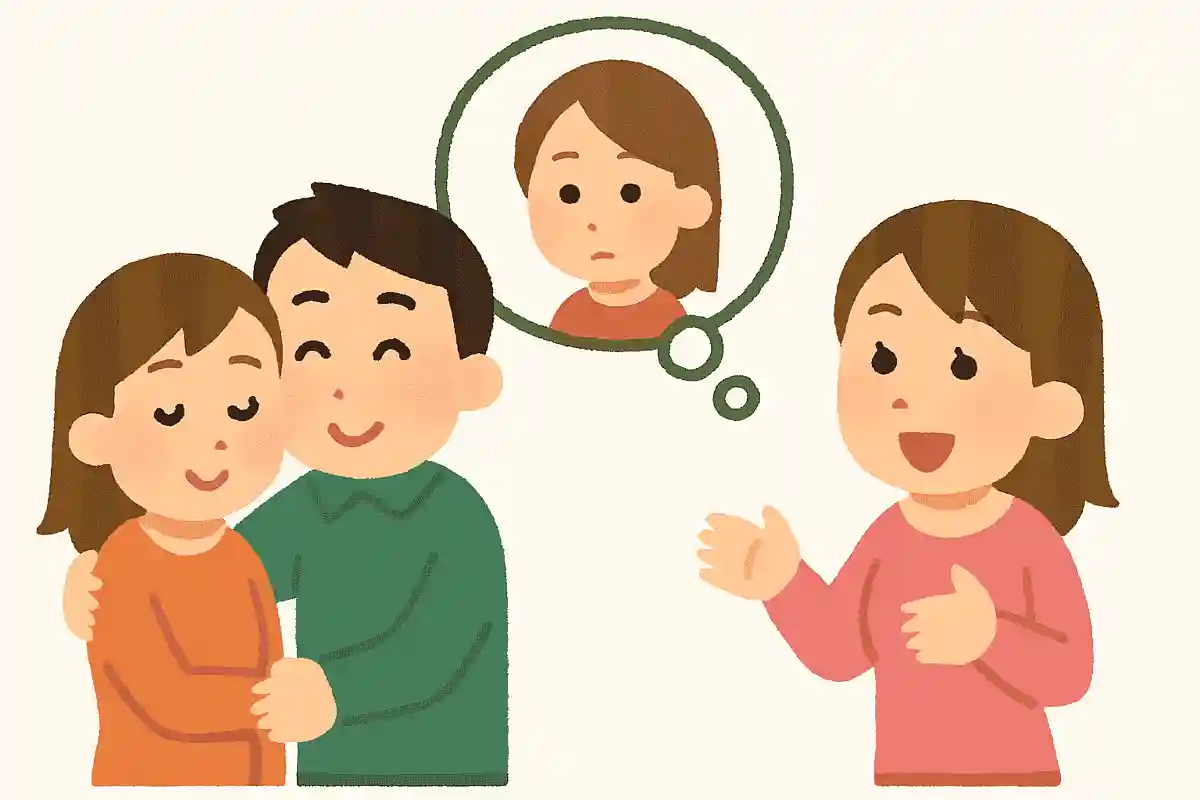
Among people who have someone they like or a partner, there are cases where other members of the opposite sex stop looking attractive.
Some people are single-mindedly infatuated, saying, “I can only think about the person I’m dating.” In fact, it’s said that this kind of single-mindedness and the lack of attraction to others can stem from a self-protective instinct.
Focusing on just one person tends to bring more emotional stability than trying to juggle many.
By contrast, when others frequently seem appealing and someone keeps changing partners or dates multiple people at once, they may experience things like hypersensitivity or insomnia.
So if having a partner makes other people seem less attractive, it often indicates good mental health.
Sometimes couples’ heart rates become synchronized.
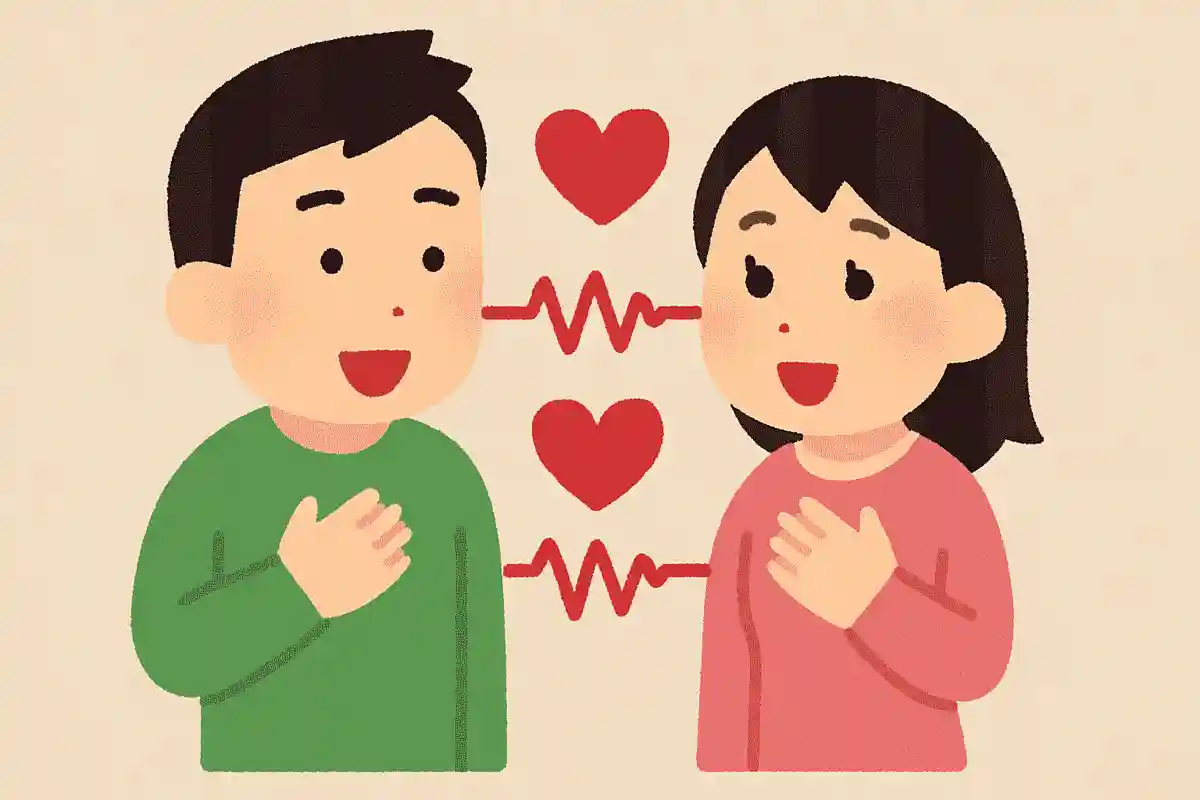
It’s said that couples often come to resemble each other’s gestures and walking rhythm.
Their heartbeats and breathing can also synchronize and become linked.
This synchrony is thought to stem from physical contact between partners.
Research has shown that their heart and breathing rates can align and that pain can decrease.
There’s even data suggesting that simply having a partner nearby can reduce perceived pain.
Coordinated, in-sync movements are also said to be fundamentally similar to phenomena seen when insects or animals move in groups.
When you date someone, the way you speak starts to become similar.

You know how couples who are dating or married often start to sound alike when they talk? Reasons might include spending time in the same environment or unconsciously adjusting to each other.
It’s also said that people tend to feel positively toward those who are similar to themselves.
The fact that you’re in a relationship suggests you already share certain traits, like personality or ways of thinking.
As you spend more time together, those similarities gradually become more apparent.
That’s why couples often end up with similar ways of speaking.