

![[Spring Songs Recommended for People in Their 40s] Relive Your Youth! A Selection of Nostalgic Tracks](https://i.ytimg.com/vi/94uxNQqmknk/hqdefault.jpg)


For those currently in their 40s, who likely spent their youth in the era when CDs sold the most, music may have felt much closer than it does now.The J-pop scene produced many hit songs, and in this article we’ve gathered spring songs recommended for people in their 40s, focusing on the popular tracks of that time.From farewell songs that evoke graduation to songs that convey a fresh start, each one is sure to stir up nostalgia.Why not listen and immerse yourself in memories from those days?
- Spring songs for people in their 60s: A collection of classic tracks about cherry blossoms and farewells
- [Spring Songs Recommended for People in Their 30s] Carefully Selected Nostalgic Classics & Big Hits
- [2026] Time-Travel to Your Memories Just by Listening! Recommended Spring Songs for People in Their 50s
- [2026 Edition] Youth Anthems for Your 40s! A Roundup of Popular Heart-Pounding × Heartwarming Songs
- Youth songs you want to listen to in spring. Classic and popular spring songs.
- [2026] A Collection of Memorable Graduation Songs from the 40s [Japanese Music]
- Spring songs that were hits in the 90s. Classic and popular tracks from Japanese music.
- [Spring Songs] Recommended for people in their 20s! Masterpieces to listen to during cherry blossom season that color meetings and farewells
- Graduation Songs for Those in Their 30s: Nostalgic Classics That Rekindle Emotions & Timeless Favorites Still Popular Today
- Masterpieces that colored the spring of the Heisei era, including popular cherry blossom songs.
- A must-see for people in their 30s and 40s! A roundup of nostalgic 1990s commercial jingles
- Spring songs to color the season of meetings and partings—recommended for the Yutori generation
- [2026] Only Masterpieces Born in the Reiwa Era! Spring Songs Recommended for Teens
[Spring Songs Recommended for People in Their 40s] Relive Your Youth! A Selection of Nostalgic Tracks (1–10)
Song of Springsupittsu
Let me introduce a song that’s perfect for the season when winter’s chill softens and a warm breeze begins to blow through the city.
This track, included on Spitz’s 30th single released in April 2005, originally opened their album “Souvenir.” Chosen as the commercial song for Japan Coca-Cola’s “Aquarius,” it was released as a single, and it continued to be loved over the years, even being used in a 2014 commercial for Lotte’s “Ghana Chocolate.” Masamune Kusano’s clear, translucent vocals blend with a calm yet resolute band sound, creating a warmth that gently nudges listeners forward.
Rather than directly depicting cherry blossoms or graduation, the lyrics liken the bright moments of life to spring, rekindling a fresh feeling every time you listen.
Give it a listen when you’re a bit tired from the busyness of daily life or when you want to shift your mood in a positive direction.
I should be able to fly (in the sky).supittsu
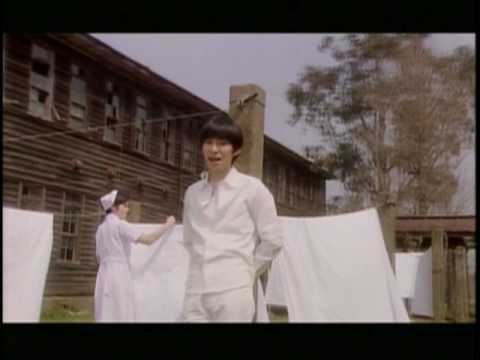
Originally written for a television drama, this is the eighth single by the four-piece rock band Spitz.
Released in April 1994, it initially saw modest chart performance, but when it was later chosen as the theme song for the 1996 Fuji TV drama “Hakusen Nagashi,” it returned to the spotlight and became a million seller.
The song delicately depicts the turbulence of adolescence, a sense of awe toward an unseen, greater presence, and the budding conviction of freedom that arises when there’s someone who accepts you—all carried by Masamune Kusano’s clear, translucent vocals and a gentle guitar ensemble.
Not only sweet feelings of love but also the harshness of reality and the ache of loneliness seep through, and yet the protagonist’s determination to look ahead makes your heart swell.
Beloved as a graduation song, it’s a track that brings back memories as spring arrives.
As the season of new beginnings approaches, why not listen to it quietly and let it wash over you?
cherry (sweet cherry; cherry fruit)Otsuka Ai

This is the second single by singer-songwriter Ai Otsuka, a sweet-and-sour portrayal of irreplaceable days spent with a lover.
Released in December 2003, it was featured as the opening theme for TBS’s “COUNT DOWN TV” and the ending theme for Fuji TV’s “Mecha-Mecha Iketeru!”, making it a familiar tune in households across Japan.
Its sprightly arrangement incorporating brass instruments and an irresistibly bouncy pop melody leave a strong impression.
The lyrics look back on memories shared with a partner over two years, depicting a deep bond so strong that even quarrels and hardships feel precious.
The charming image of two lovers is likened to a pair of fruits nestled together.
The song has also been adopted as the departure melody at JR West’s Sakuranomiya Station, so you may hear it often with the arrival of spring.
It’s the perfect number for rekindling the thrill of new love or getting everyone pumped up at karaoke.
To the futureKiroro

Kiroro’s second single, a song of gratitude to a mother and hope for the future.
Released in June 1998, it was the first song written by vocalist Chiharu Tamashiro when she was in her third year of junior high school, inspired by her mother’s illness to put her feelings of gratitude into words.
While she once took her parents’ love for granted as a child, growing up made her realize its depth; the song reflects on times she couldn’t be honest, yet resolves to keep moving forward, all set to a simple melody.
It peaked at No.
4 on the Oricon Weekly Singles Chart and became widely loved across Asia, including Chinese-language covers.
In 2020, it drew attention again when Shuzo Matsuoka sang it in a P&G TV commercial.
Often performed at junior high and high school chorus contests and graduation ceremonies, it’s a perfect song for spring departures.
Before stepping into a new environment, give it a listen to reaffirm your gratitude to your parents.
On the Day of Departure…Kawashima Ai

A graduation song by Ai Kawashima, also known as the original track for the smash hit “Ashita e no Tobira.” Released in 2006, it also drew attention when it was chosen as the theme song for the popular romance reality show “Ainori.” The lyrics, which carefully depict scenes from school life, gratitude for friends who shared those days, and a vow to meet again, fill your heart just by listening.
The overlap of her crystalline voice and the piano melody brings a simultaneous rush of poignancy and warmth that is quintessentially Ai Kawashima.
It’s a straightforward, unadorned message that resonates deeply—one only she could craft, having completed 1,000 street performances and been called the “Angel of the Streets.” It’s a song you should listen to not only during graduation season, but also whenever you’re about to take a new step forward or find yourself wanting to look back on cherished days.
cherry blossomKobukuro

Kobukuro’s 12th single, released in 2005, is etched in many people’s hearts as a true masterpiece that colors the season of farewells.
Originally a song carried on since their indie days, it was re-recorded for the major scene.
Its warm, acoustic guitar-centered sound and the duo’s beautiful harmonies resonate deeply.
Chosen as the theme song for the Fuji TV drama “Ns’ Aoi,” it won the Gold Award at the 47th Japan Record Awards.
The lyrics, set to a gentle melody, portray meetings and partings and the ache of words left unspoken—echoing with romance, friendship, and the end of school days alike.
Sing it with friends at karaoke, and memories from back then are sure to come vividly rushing back.
Graduation PhotoMatsutōya Yumi

When graduation season rolls around, there’s one timeless classic you always hear—this very song.
Widely known as a self-cover included on Yumi Arai’s (now Yumi Matsutoya) third album “COBALT HOUR” from June 1975, it’s also memorable for the fact that it was originally written for the vocal group Hi-Fi Set.
In 2007, Matsutoya’s own vocal performance was featured in a Kirin beer commercial, and in 2010 it was chosen as the theme song for Fuji TV’s graduation drama project “Sotsu Uta,” repeatedly finding its way to new listeners.
A key point is that the song’s perspective isn’t at the moment of graduation, but rather “now, long after graduating,” capturing the ache of wavering between someone who seems unchanged from back then and the self who has changed so much.
It’s a song that grows deeper with age, gently keeping you company on a spring night.