

[Must-See for Your 40s] Easy-to-Sing Karaoke Songs That Get Everyone Going | Timeless Classics Enjoyed Across Generations

One of the charms of karaoke is discovering songs that resonate across generations, isn’t it? Many of us want to create those moments at parties or get-togethers when the handclaps start spontaneously and everyone breaks into smiles.
In this article, we’ll introduce songs that are easy on the singer and packed with hype points that naturally get listeners swaying along.
We’ve selected only tracks that even those picking up the mic for the first time in a while can sing with confidence, so be sure to use this as a reference for your next karaoke session!
- [For Men in Their 40s] Easy-to-Sing Karaoke Songs and Guaranteed Crowd-Pleasers
- Easy-to-sing karaoke songs: Classic picks for women in their 40s
- [For men in their 40s] That nostalgic song you can enjoy at karaoke!
- Even if you’re tone-deaf, it’s okay! Easy karaoke songs for men in their 40s
- Karaoke songs for men in their 40s: a curated selection of hit tracks women want to hear!
- [Women in Their 40s] Even If You’re Tone-Deaf, You Can Sing! Karaoke Songs That Fit a Woman’s Vocal Range
- Songs everyone knows across generations. A roundup of karaoke tracks anyone can sing, regardless of age.
- Recommended Japanese pop songs for karaoke for men in their 40s
- Attractive songs recommended for women in their 40s: Karaoke tracks that are popular with men
- [40s] Karaoke Crowd-Pleasers Ranking [2026]
- [For Your 50s] Get the Party Going at Karaoke! A Special Feature on Easy-to-Sing Nostalgic Hits
- [Calling all low-voiced women in their 40s!] Songs that are easy to sing at karaoke
- Recommended for women in their 50s! A curated selection of classic and popular karaoke hits that will get the crowd going
Must-See for People in Their 40s: Easy-to-Sing Karaoke Songs That Get the Crowd Going | Timeless Classics Everyone Can Enjoy (11–20)
Longing, poignancy, and strength of heartShinohara Ryoko with t.komuro

Ryoko Shinohara’s classic song “Itoshisa to Setsunasa to Kokorozuyosa to.” Since it was composed by Tetsuya Komuro, you can feel that distinctive Komuro sound throughout the track.
For men in their 40s, it likely stands out as the theme song for the legendary game Street Fighter.
The song features expansive, soaring vocals, but the overall range—mid2B to hiD—isn’t particularly wide, so it’s surprisingly easy to sing.
There’s no use of falsetto, and the melody is fairly simple, so as long as you set the key appropriately, you should be able to sing it without issue.

Happy life175R

This is the major-label debut single released on January 16, 2003.
It debuted at No.
1 on the Oricon chart, and along with the second single “Sora ni Utaeba,” it achieved a remarkable feat as a representative anthem of youth punk.
It features a bright, catchy melody and positive lyrics, produced by Masahide Sakuma.
The overall vocal range is D#3 to C5, and the key point is how powerfully you can hit the high notes right at the start.
Also, since the tempo is on the faster side, if you can harness that tempo to build momentum, the high parts in the chorus shouldn’t feel too tough.
In any case, get your whole body into it and have fun!

Miracle EarthKuwata Keisuke & Mr.Children

When it comes to male duets for people in their 40s, isn’t “Kiseki no Hoshi” the first that comes to mind? Released in 1995 as a charity single for the Act Against AIDS campaign, this collaboration between two top artists of the time sold over 1.7 million copies and is characterized by the passionate vocals of Kuwata and Sakurai singing in alternation.
The lyrics and composition were by Keisuke Kuwata, and the arrangement was by Takeshi Kobayashi and Mr.
Children.
There’s also harmonizing in the chorus, making it a very satisfying song to sing.
Interestingly, it became a topic of discussion that Sakurai’s singing at the beginning imitates Kuwata’s style.
Since the backing track isn’t surprisingly intense, as long as the two vocalists project their voices solidly, it should turn into a powerful performance!
Linda LindaTHE BLUE HEARTS
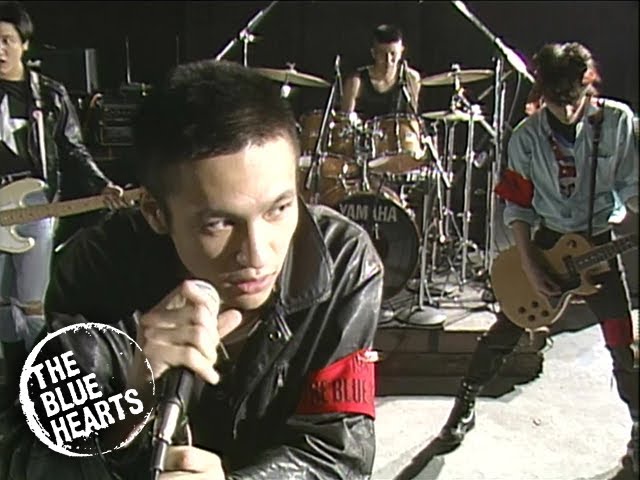
One of The Blue Hearts’ signature songs, and the kind you can just scream and have fun with—whether live or at karaoke! For the quiet intro, sing carefully and with feeling, then for the chorus don’t worry about pitch—just belt it out and it’ll always get everyone hyped! Momentum is important, of course, but if you just shout recklessly you’ll hurt your throat, so focus on engaging your vocal cords and resonating in your chest.
Even just placing a hand on your chest while you sing helps you feel the resonance and hear your own voice better! You might get caught up in the intensity, but don’t forget to breathe—and enjoy singing!
Give me a ShakeMAX
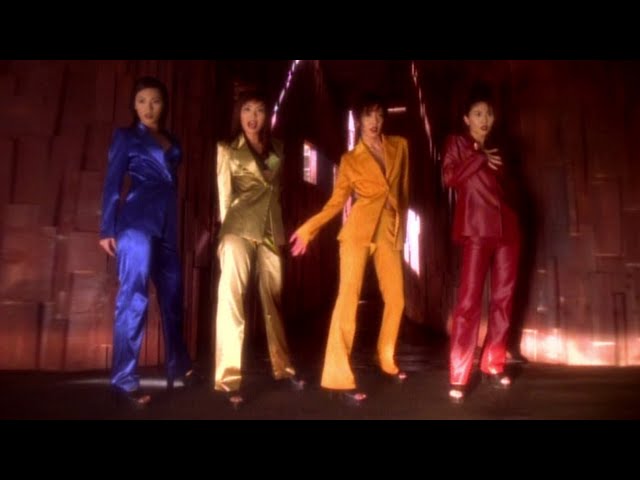
Give me a Shake, a masterpiece of Japanese Eurobeat released in 1997.
It’s a famous song by MAX, needless to say, and it also incorporates elements of Black music, which were still rare in Japanese pop at the time.
Despite that, the vocal line is very easy to sing.
While the range is wide—mid1D to hiF—there are few long notes, and the melodic movement is very gentle.
The tempo also has some breathing room, so as long as you keep the groove in mind, it’s a song that will come together quite well.
excuseSha ran Q

One of Sharam Q’s biggest hit singles and a signature song.
Its lyrics portray the miscommunication and lingering feelings in romance with both humor and poignancy, resonating strongly with young people at the time.
Singing Sharam Q at karaoke inevitably gets everyone hyped! Tsunku’s distinctive slightly nasal tone really sets the mood.
If you’re not used to a nasal delivery, it can throw off your pitch, so I recommend not overthinking it and projecting your voice firmly.
Especially in the chorus, singing out strongly adds contrast and makes the song sound cooler overall!
Must-See for Your 40s: Easy-to-Sing Karaoke Hits — Timeless Classics Everyone Can Enjoy (21–30)
You pure motherfuckersKishidan

As a CD single from Kishidan, this is their first new track in an incredible 5 years and 8 months.
Written by Show Ayanokoji, it serves as the theme song for the drama “Donketsu,” airing from April 25, 2025! It’s a hot, rough-and-ready rock band sound that’s quintessentially Kishidan and perfectly matches the yakuza-themed world of the drama.
The melody line is very straightforward, and with the same chorus melody recurring, it shouldn’t be hard to memorize.
Also, as you’d expect from a Kishidan song, the vocal range isn’t too high, making it comfortable for male singers.
It sounds coolest when you sing with a clenched-fist, power-through vibe! Just be careful to keep your throat relaxed and not tense up.
Using gestures helps you naturally loosen up and makes it easier to sing.
Be sure to learn the choreography and have fun singing along!