

[Graduation Ceremony BGM] Guaranteed to move you! A comprehensive introduction to classic tear-jerkers!


BGM to add a flourish to a moving graduation ceremony.For teachers sending off their graduates, choosing the right music to color this milestone in the children’s lives can be a real challenge.So in this article, we’ve gathered a selection of classic, go-to pieces that are perfect for graduation ceremony BGM!We picked several tracks of different types—from orchestral works that lend a brilliant touch to the entrance scene to gentle, wistful piano pieces suited to quieter moments—so please use them as a guide for your music selection.We hope the ceremony will become a lasting memory, accompanied by music, for the children, their families, and the teachers alike.
- [Touching] Entrance/Exit Songs for Graduation Ceremonies: Classics & the Latest BGM
- Tear-jerking classic graduation songs! Recommended tracks for graduation movie BGM
- Cool classical masterpieces. Recommended classical music.
- [Masterpiece Classics] A special showcase of gem-like masterpieces so beautiful they’ll move you to tears
- [Standard] A compilation of popular songs recommended for award ceremonies [Classical / BGM]
- [Classical] Introducing Recommended Moving/Touching Pieces
- [Graduation Songs] Tear-Jerking, Heartwarming Ballads | A Showcase of Classics and the Newest Hits!
- Processional music on the piano! A collection of perfect ideas for nursery and kindergarten graduation ceremonies
- [For junior high students] Choral songs you’ll want to sing at your middle school graduation ceremony. Songs that touch the heart.
- [Gratitude, Encouragement, Memories] Tear-Jerking Graduation Songs You Can’t Listen to Without Crying [2026]
- A poignant classic masterpiece. Recommended classical music.
- From classic choral pieces to popular J-pop! Moving songs you’ll want to sing at graduation ceremonies
- [Classical] Classical music BGM. Recommended classical music as background music for work and study.
Graduation Ceremony BGM: Guaranteed to Move You! A Showcase of Tear-Jerking Classic Standards (21–30)
Air on the G StringJ.S.Bach

Johann Sebastian Bach’s “Air on the G String” captivates with its gentle, soothing melody and the beautiful sonorities created by overlapping voice parts.
Although this piece is an arrangement in C major of the second movement from the Orchestral Suite No.
3 in D major, BWV 1068, adapted so it can be played solely on the violin’s G string, it is beloved in performances across various instruments and ensembles.
While maintaining a dignified atmosphere, its calm, embracing warmth makes it perfect for graduation ceremonies celebrating students’ new beginnings.
How about using it for moments like the presentation of diplomas, quietly watching over the children?
Jesu, Joy of Man’s DesiringJ.S.Bach
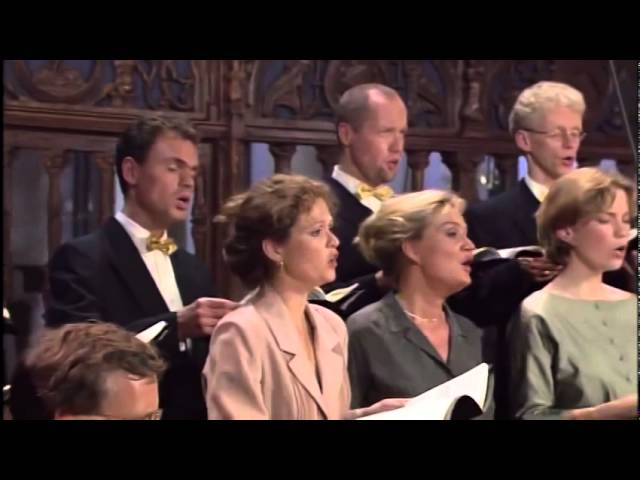
Jesu, Joy of Man’s Desiring by Johann Sebastian Bach is part of a cantata composed in 1723.
Performed by various ensembles, its gentle, beautiful melody—almost as if guiding people to heaven—continues to captivate many hearts.
The violin solo and string ensemble versions, in particular, are ideal as background music for graduation ceremonies that celebrate new beginnings.
At the very moment of honoring children who have grown so splendidly, the swelling of the music will heighten the moving atmosphere of the venue even more.
“Alla Hornpipe” from Water MusicGeorg Friedrich Händel

One piece from the orchestral suites composed by George Frideric Handel in 1717.
Said to have been written for a boating party on the River Thames, this work is characterized by its bright and splendid melodies.
In a dance-like movement featuring trumpets and horns, its lively, rhythmic character is striking.
It is frequently performed at weddings and celebrations, and is widely used as background music in films and television.
It’s also perfect as graduation ceremony BGM, especially for entrance scenes where you want to create a festive atmosphere.
Highly recommended for those who wish to celebrate a new beginning with a cheerful, forward-looking spirit.
Festive Overture ‘1812’Pyotr Tchaikovsky

Pyotr Ilyich Tchaikovsky’s Festival Overture “1812,” with its moving, lyrical melodies, is perfect for those peak moments of emotion at graduation ceremonies.
Composed in 1880 to celebrate a historic Russian victory, the piece overflows with fervent patriotism and grandeur, leaving a powerful impression on listeners.
Although Tchaikovsky himself regarded it as having “no artistic value,” its majestic musicality continues to be widely loved today.
We highly recommend it to teachers seeking a grand and stirring BGM worthy of a memorable day.
Your sentiments are truly embedded in it, aren’t they? In the first verse, only piano and strings are used, offering a dramatic accompaniment that beautifully supports the vocals.
Pomp and Circumstance, Op. 39Edward Elgar

Edward Elgar’s signature work, Pomp and Circumstance, Op.
39, premiered in 1901 and quickly won the hearts of the British public, becoming beloved as a patriotic anthem of the United Kingdom.
It is a classic masterpiece frequently heard at various ceremonies.
Infused with anticipation for a radiant future, a touch of sentiment, and the composer’s passion, this piece splendidly adorns moments of parting and new beginnings.
If you are choosing BGM for a graduation ceremony, this historically acclaimed work is an unquestionably fitting choice!
“Spring,” Movement I, from The Four SeasonsAntonio Vivaldi

The spring scenes painted by Antonio Vivaldi vividly come to life through music: birds chirping, gentle breezes, the murmur of a stream, and sudden thunderstorms.
Masterfully expressing the shifting moods of nature, this work makes listeners feel the arrival of spring.
Released to the world in 1725 as part of The Contest Between Harmony and Invention, it has been used in films, commercials, and many other contexts, and is beloved by countless people.
It’s also perfect as background music for graduation ceremonies, with a hopeful tone that seems to gently encourage children as they embark on a new chapter.
Adagio for StringsSamuel Barber

Composed by Samuel Barber in 1936 and premiered in 1938, Adagio for Strings captivates listeners with its moving melody and heartfelt performance.
Frequently used during periods of mourning and at significant moments, it is known as one of the most famous works in American music history.
Even if the composer’s name or the title doesn’t ring a bell, many people recognize it the moment they hear the opening—“Ah, that piece!” Its beautiful, gentle melody is perfect for special occasions like graduation ceremonies.