

Heisei-era masterpieces: Easy to sing! Carefully selected songs recommended for karaoke choices!


Do you have go-to songs for karaoke when you go with friends, acquaintances, or coworkers? If you love singing, you might find yourself torn over what to start with.
On the other hand, if you’re not so confident at singing, you might struggle each time wondering what you can manage.
Many people probably want to avoid any embarrassing moments.
So this time, we’re introducing easy-to-sing songs specifically from the Heisei era.
We’ve selected songs with minimal melodic leaps and not-too-high keys—use this as a reference!
- Popular songs that are easy to sing at karaoke. Recommended classics and hit songs.
- No worries even if you’re not confident in your singing! Simple, easy-to-sing songs for karaoke.
- No worries if you're tone-deaf! Easy-to-sing J-pop songs for karaoke
- [Songs from the Showa Era] Introducing classic tracks that are easy to sing at karaoke.
- Recommended for men in their 30s: Karaoke songs that were a hit back in the day
- Recommended for women in their 30s! Karaoke songs that are easy to sing even if you're not good at singing
- Songs Everyone Knows: A Popular Karaoke Collection You Can Sing Regardless of Age
- Even for those not confident in their singing! Easy-to-sing karaoke songs released in the Reiwa era
- [For women] Songs with a narrow vocal range that are easy to adjust the key for!
- A lineup of classic hits! Karaoke songs recommended for the yutori generation
- When you can’t decide what to sing at karaoke: Easy-to-sing classic hits from the Showa era
- [Even if you're not confident] Easy-to-sing songs for karaoke
- Now karaoke isn’t scary! Easy-to-sing songs recommended for the Yutori generation
Heisei Era Masterpieces: Easy to Sing! A Curated Selection of Recommended Karaoke Songs (41–50)
Rose of PassionTHE BLUE HEARTS

A gem of a song that fuses a luxurious rock sound with a powerful message.
This track—THE BLUE HEARTS’ only single to reach No.
1 on the Oricon charts—was released in 1990.
Its profound lyrics express the fiery soul that lies deep within.
It’s also included on the album “BUST WASTE HIP.” Its influence is immense, with many artists covering it.
Musicians across genres—such as Bank Band, Akiko Wada, and Kobukuro—have kept the song alive through their own interpretations.
For karaoke, it’s recommended to sing it passionately while keeping Hiroto Kōmoto’s low vocal tone in mind.
Tomorrow, when spring comesMatsu Takako

This is the debut single by Takako Matsu, known for her gentle singing voice and heartfelt lyrics.
Released in March 1997, the song was also featured in NTT’s “Wakuwaku New Life Campaign” commercial, generating significant buzz.
Its beautiful lyrics, which capture the arrival of spring and the feelings of being in love, have made it a timeless favorite for many.
Matsu’s clear, transparent vocals blend perfectly with the refreshing melody, and the song is popular as an easy-to-sing choice for karaoke.
It’s a heartwarming number that’s especially recommended for the spring season.
Breath of DawnChekkāzu

The 23rd single by the seven-member rock band The Checkers is a love ballad that sings of deep affection and a resolve for the future.
The lyrics, expressing a strong desire to protect the one you love, truly stir the heart.
Released in June 1990, it reached No.
2 on the Oricon weekly chart.
They also performed it at the 41st NHK Kouhaku Uta Gassen, marking their seventh consecutive appearance.
With its beautiful melody and not-too-high key, it’s also popular as an easy song to sing at karaoke.
It’s a recommended track for those who want to sing with feelings for someone special.
Don’t give upZARD

Songs that get you excited from the intro are perfect for karaoke with friends! ZARD’s 1993 release “Makenaide” is a passionate, powerful number.
Many of you may know it as the theme song for the TV program “24-Hour Television: Love Saves the Earth.” Its simple rock sound and straightforward lyrics make it ideal for karaoke beginners.
The melody is easy to remember and has a good groove, so you can sing it smoothly.
It’s a track you’ll want to sing with a relaxed, upbeat vibe.

I won’t fall in love anymore.Makihara Noriyuki
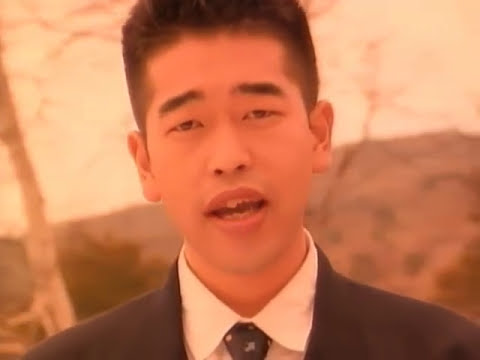
When you’re feeling lonely after a heartbreak, lyrics you can relate to can be a source of comfort.
“Mou Koi Nante Shinai” is a song that helps you look at a finished romance in a positive light.
Noriyuki Makihara released it in 1992, and it was used as the theme song for the drama “Kodomo ga Neta Ato de” (After the Children Fell Asleep).
Its melody, loved across generations, is easy to remember and makes you want to hum along.
Once you get the hang of its mid-tempo groove, it’s a perfect staple for karaoke.
If you focus on adding accents in the chorus, you’ll sing it even better.
U.S.A.DA PUMP
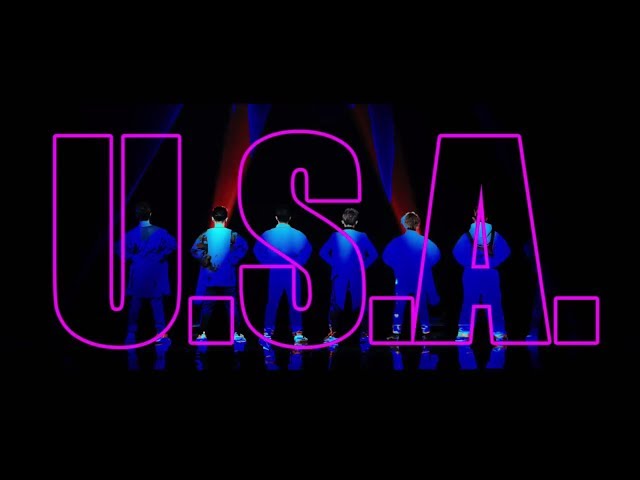
A single packed with admiration for American pop culture and pure fun! Its catchy melody and energetic dance performance are truly captivating.
Released in June 2018, the song was also chosen as the ending theme for TBS’s “King’s Brunch.” This work shows a new side of DA PUMP as they take on Eurobeat for the first time.
It became a hot topic on social media as “so-bad-it’s-cool,” and the choreography—like the “Like Dance” and the “Invader Dance”—went viral.
The light, club-ready rhythm and lyrics that sing of a longed-for America really hit home.
It’s also an easy song to sing when you want to hype things up with friends at karaoke!
That paper airplane splits the cloudy sky19

This song has a fairly wide vocal range and includes high notes, so it’s not the kind of song you can necessarily sing just by lowering the key.
However, it’s extremely well-known, making it easy to choose no matter who you go to karaoke with.
Plus, its straightforward melody line should be easy to sing even for those who struggle with keeping rhythm.
The tempo is relaxed, so you can sing it calmly and with control.
If the pitch suits your voice, it’s a highly recommended track.
