

An acoustic guitar’s tone that leaves an impression! Recommended Heisei-era hit songs for solo singing with guitar


The Heisei era gave birth to countless timeless songs.
Musical styles broadened, and the sound evolved significantly from the early to the later years.
Amidst that, warm ensemble pieces featuring acoustic guitar also became beloved.
So this time, we’re introducing songs from the Heisei era that are great for acoustic solo performance and singing.
Each track lets you really feel the presence of the acoustic guitar within a band ensemble, so why not give them a try?
- Songs I'd love to hear on acoustic guitar! Reiwa-era masterpieces perfect for sing-alongs
- Timeless classics only! Showa-era hit songs perfect for acoustic sing-alongs
- Emotional songs from the Heisei era. Nostalgic tracks that really hit you.
- I want to perform Vocaloid songs with an acoustic guitar! A collection of recommended tracks for beginners
- A Collection of Heartfelt Guitar Love Songs [Great for Solo Acoustic Performances Too]
- A collection of nostalgic hits from the Heisei era: Let’s look back at iconic songs from the 1990s and 2000s.
- Resonates across generations! Hit songs that colored the Heisei era, perfect as BGM
- A beautiful melody soothes the heart… Heisei-era ballad hit songs
- Heisei Song Collection: Iconic Hits That Colored the ’90s and 2000s
- Heisei-era graduation songs roundup: iconic youth anthems from the ’90s to the 2010s
- Nothing but masterpieces! Hit songs from the Reiwa era that are perfect for background music
- Heisei-era masterpieces: Easy to sing! Carefully selected songs recommended for karaoke choices!
- Masterpieces that colored the spring of the Heisei era, including popular cherry blossom songs.
Distinctive Acoustic Guitar Tones! Recommended Heisei-Era Hit Songs for Solo Singing with Guitar (11–20)
CHE.R.RYYUI

When it comes to signature songs by YUI, the singer-songwriter from Fukuoka Prefecture, this track surely stands out.
Released in March 2007, it features a melody that evokes the freshness of spring.
YUI’s clear, airy vocals blend beautifully with the warm tones of the acoustic guitar, perfectly capturing the sweet, bittersweet moment of falling in love.
Chosen as the CM song for KDDI’s “LISMO!”, its lyrics depicting the flutter of first love resonated with many and propelled it to No.
2 on the Oricon Weekly Singles Chart, making it a major hit.
It’s a heartwarming song you’ll want to listen to while driving or traveling.
Tokyo VICTORYSazan Ōrusutāzu

The 55th single by Southern All Stars, who continue to lead Japan’s music scene.
Written and composed by Keisuke Kuwata, it’s characterized by a refreshing sound and notably uplifting, energetic lyrics.
The words reflect feelings about Tokyo’s changing scenery and the passage of time, conveying a message of hope and challenge for the future.
Blending the warm tones of acoustic guitar with full band sounds, this piece is also easy to try as a solo acoustic performance.
It’s recommended for those who resonate with a positive message: no matter the hardships in life, you’ll seize victory in the end.
Islanders’ TreasureBEGIN

This song by BEGIN is beloved by many as a number that symbolizes the heart and culture of Okinawa.
Its gentle blend of acoustic guitar and sanshin evokes a Japanese aesthetic that conjures images of Okinawa’s beautiful scenery.
Released in May 2002 and produced as the theme song for NHK Okinawa’s “30th Anniversary of Okinawa’s Reversion to Japan,” the piece conveys a deep love for the homeland.
The lyrics have garnered such widespread support that in some parts of Okinawa the song is even used for Eisa performances.
With unpretentious words and a catchy melody that resonates, it could be said to be a quintessential track that embodies the spirit of Wa (Japanese harmony).
Beyond the Night SkySMAP

This is the 27th single by SMAP, a five-member idol group whose members continue to draw attention individually even after the group’s disbandment.
Used as the theme song for the variety show “SMAP×SMAP,” it became the group’s first million-selling hit.
The arrangement—featuring acoustic guitar tones and a floating, wistful melody—leaves a strong impression of melancholy.
With sentimental lyrics by Shikao Suga that resonate deeply, it’s a masterpiece etched into J-pop history.
It’s also a sure-fire karaoke favorite that’s fun to sing by splitting parts with friends.
cherry blossomKobukuro

This is the 12th single by the music duo Kobukuro, renowned for releasing numerous well-known songs and beloved by many listeners for their beautiful harmonies.
Chosen as the theme song for the TV drama “Ns’ Aoi,” it is widely recognized as one of Kobukuro’s signature tracks and was even included in a high school Japanese textbook.
The warm tone of the acoustic guitar and the gentle resonance of the piano are comforting, while the lyrical lyrics evoke springtime scenes and deeply move the heart.
Released in November 2005, this song is a perfect spring number that sings of the strength to overcome heartbreak and farewells and to discover new hope.
Like tonight’s moonElefanto Kashimashi
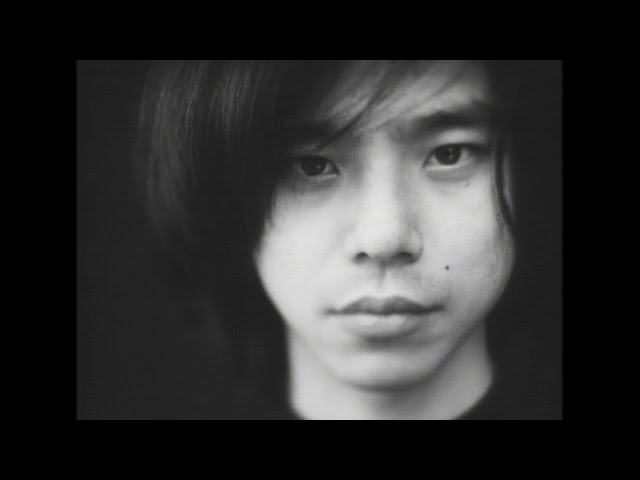
A signature song by Elephant Kashimashi, a four-piece rock band known for Hiroji Miyamoto’s charismatic presence and overwhelming live performances.
Released in July 1997 as their 15th single, it served as the theme song for the Fuji TV drama “Because the Moon Shines at Night.” The lyrics poignantly depict a yearning for lost days and love, and Miyamoto’s powerful vocals leave a strong impression.
It conveys imagery that evokes summer breezes and the night sky, infused with a determined will to find hope in the future.
Coupled with the warm tones of the acoustic guitar, it’s a song that resonates deeply.
A recommended track for those who want to feel the full spectrum of life’s joys and sorrows.
Striking acoustic guitar tones! Recommended Heisei-era hit songs for solo singing with guitar (21–30)
Magic CarpetKawasaki Takaya

A heartwarming number featuring the gentle tones of an acoustic guitar and an earnest vocal that resonates deeply.
It portrays a heartfelt desire to protect a loved one even without money or status, wrapping listeners in a tender embrace.
This song, included on singer-songwriter Takaya Kawasaki’s March 2018 album “I believe in you,” actually skyrocketed in popularity around two years after its release in 2020 thanks to social media, and it went on to be widely loved, even being chosen as the theme song for a streaming drama.
Its warmth conveys the preciousness of everyday life, making it perfect for weddings or as background music for videos with your partner.
With a simple arrangement that works even with just a single acoustic guitar, it’s also recommended for those who want to try singing and playing on their own.