

A collection of nostalgic hits from the Heisei era: Let’s look back at iconic songs from the 1990s and 2000s.

The Heisei era, which lasted from the late 1980s to the late 2010s, saw a vast number of songs released into the world.
Heisei could be called the golden age of J-POP, producing countless masterpieces, many of which remain popular today.
In this article, we’ll introduce a selection of nostalgic Heisei hits all at once.
We’ve focused mainly on tracks from the 1990s and 2000s, so you can either take your time revisiting them or liven things up by singing them at karaoke.
Now, let’s dive right in and look back at the iconic songs of the time.
- Heisei Song Collection: Iconic Hits That Colored the ’90s and 2000s
- Emotional songs from the Heisei era. Nostalgic tracks that really hit you.
- Songs from the Heisei retro era that will get any generation excited! Timeless tracks you’ll want to listen to now.
- A Must-See for the Heisei Generation: Nostalgic Songs That Were Popular in the Heisei Era
- Iconic ballads of 90s J-pop: nostalgic mega-hits and fan favorites
- [J-Rock] Timeless masterpieces that colored the 1990s. Nostalgic hit songs.
- Old songs from the Showa to Heisei eras: a collection of timeless classics loved across generations
- Popular Nostalgic Songs: J-Pop Ranking [1990s Japanese Music Ranking]
- Unrequited love songs of the Heisei era. Those nostalgic classic tunes.
- A roundup of hit love songs from the ’90s
- Just listening will surely move your heart! A moving song that represents the Heisei era.
- A beautiful melody soothes the heart… Heisei-era ballad hit songs
- Nothing but iconic hits that defined an era! 2000s classics popular on TikTok
Heisei-era throwback hits roundup: Let’s look back at classic songs from the 1990s to the 2000s (11–20)
Can’t Say Anything… SummerTHE JAYWALK

The song that sings about realizing her wonderfulness only when facing a breakup is THE JAYWALK’s “Nani mo Ienakute… Natsu” (“Speechless… Summer”).
Released in 1991 as their 18th single, it took about a year to catch on and peaked at No.
7 on the Oricon Singles Chart.
In 2005, it was used as the theme song for episode 4 of the Nippon TV drama “Otona no Natsuyasumi” (“Adults’ Summer Vacation”).
It’s a mid-tempo track with a driving beat, and Koichi Nakamura’s mature, sultry vocals are truly captivating.

Blue BenchSasuke
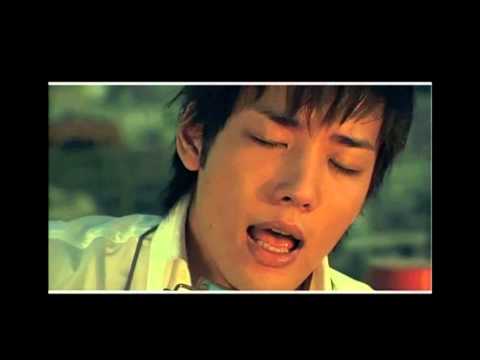
The 2005 smash hit “Aoi Bench” is the debut single by the male duo Sasuke.
Released in 2004, it gradually gained attention and, despite being an indie release, peaked at No.
8 on the Oricon Singles Chart.
The lyrics, which express lingering feelings for a woman who was a girlfriend during the singers’ school days, are heartbreakingly poignant.
It’s a staple song for middle and high school choral competitions, and it was included in music textbooks in 2008.
The Johnny’s vocal unit Tegomass covered the song in 2011, and their version became a hit, reaching No.
2 on the Oricon chart.
Love SongGReeeeN
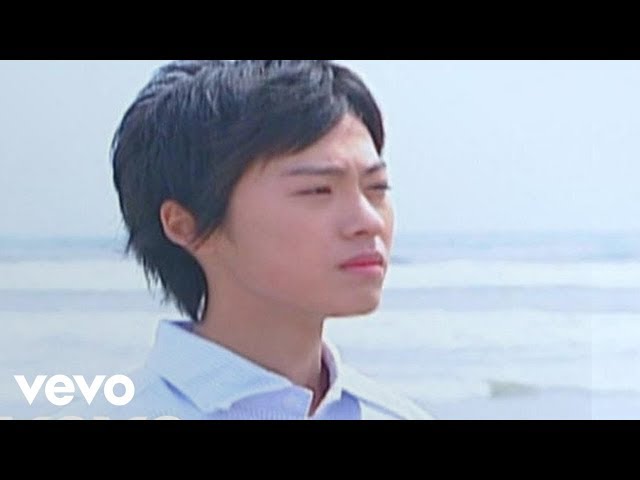
GReeeeN, an unconventional group that balances careers as dentists and artists, released “Ai Uta” in 2007.
It was their third single, and with this song they entered the top 10 of the Oricon Singles Chart for the first time, reaching No.
2.
It’s a love song that conveys feelings directly, with love packed into every corner.
In 2019, a film titled “Ai Uta: Yakusoku no Nakuhito,” inspired by the song, was produced and released.
Longing, poignancy, and strength of heartShinohara Ryōko

Ryoko Shinohara, who is active as an actress, released “Itoshisa to Setsunasa to Kokoro Zuyosa to” in 1994 while she was a member of the idol group Tokyo Performance Doll.
Produced by Tetsuya Komuro, who was at the peak of his popularity at the time, the single became a massive hit, selling over two million copies and achieving double million status.
In 2022, the duo teamed up again for the first time in 28 years to release a rearranged version of “Itoshisa to Setsunasa to Kokoro Zuyosa to.”
AM11:00HY

HY’s smash hit “AM11:00” is captivating for its lyrics, which overflow with feelings for a loved one, and its refreshing sound.
Released in 2003 as a track on their second album, Street Story, the album topped the Oricon charts and became a million seller.
The warm, gentle tone of the Wurlitzer in the intro is especially memorable.
In 2021, a short film inspired by “AM11:00” was released.
Love will winKAN

Singer-songwriter KAN, who gained popularity for his eclectic musical style encompassing a wide range of genres such as rock ’n’ roll, soul, funk, jazz, dance beats, and rap.
His 8th single “Ai wa Katsu” (“Love Will Win”) was featured as an insert song on the variety show “Hō-chan no Yamada Katsute Nai TV,” becoming a massive hit.
Its positive lyrics and consistently high-energy arrangement brighten your mood and lift your spirits just by listening.
A timeless classic that represents the 1990s, it’s a song that supports you when you’re feeling down.

Until the world endsWANDS

WANDS is a three-piece rock band known as one of the most iconic acts among Being artists who dominated the J-POP scene in the 1990s.
Their 8th single, “Until the World Ends…,” used as the second ending theme for the TV anime Slam Dunk, is a memorable track featuring emotional lyrics and a catchy melody.
For those who listened to it in real time, singing along may bring back vivid memories of that era.
With the 2022 release of the animated film THE FIRST SLAM DUNK, the song has been garnering renewed acclaim as a million-selling number.
In conclusion
Focusing mainly on songs from the early to mid-Heisei era, we’ve showcased a selection of nostalgic hits all at once. For those who remember those days, didn’t it bring back memories of your youth? Although we call them oldies, the songs featured in this article are all timeless classics that remain as popular as ever. Why not take this opportunity to sit back and listen closely to the Heisei era’s masterpieces once again?