

Unrequited love songs of the Heisei era. Those nostalgic classic tunes.

For those who want to listen to Heisei-era unrequited love songs, I’ve picked out some classics!
When you’re in love, these songs can lift your spirits or gently accompany you through the tough moments.
That’s true no matter the generation of the music.
If you’re especially curious about unrequited love songs from the Heisei era, be sure to check out the tracks on this list.
You might find the song you’ve been looking for—or discover a new favorite!
- Classic and popular songs about unrequited love
- Emotional songs from the Heisei era. Nostalgic tracks that really hit you.
- Unrequited love songs from the Showa era. Those nostalgic classics.
- Tear-jerking unrequited love songs that will break your heart: timeless classics about unattainable love
- [Heisei Love Songs] A carefully selected collection of gem-like love songs that continue to be cherished even in the Reiwa era!
- [Unrequited Love] Heart-wrenching Love Songs | A Roundup of Tear-Inducing Crush and Breakup Tracks
- Heisei-era heartbreak songs: A roundup of classic tracks from the ’90s to the 2010s
- From bittersweet tracks to heart-wrenching tunes! Heisei-era unrequited love songs
- A heart-wrenching story that tightens the chest! A Showa-era unrequited love song
- [Heartbreak Songs] A selection of poignant love songs that pierce the heart of those with unrequited love
- Unrequited Love Song: A heartrending love song dedicated to you who are going through a painful romance
- Mutual love, unrequited love, familial love... classic songs that sing about affection
- Iconic ballads of 90s J-pop: nostalgic mega-hits and fan favorites
Unrequited Love Songs of the Heisei Era: Those Nostalgic Classics (1–10)
Specter feat. HACHIMIMiNARI

A tender crush that changes the color of your world is wrapped in a voice full of transparency.
Part of MIMiNARI’s “turning memories into music” project, the track features singer HACHI on vocals.
It’s the lead song from their first full-length album, “freq.,” released in March 2025.
With stylish, Chinese-inspired arrangements, the sound stands out.
The lyrics capture the frustrating feelings of a girl who hasn’t quite grown up.
Give it a listen when you’re unsure where your love is headed.
Time goes byEvery Little Thing
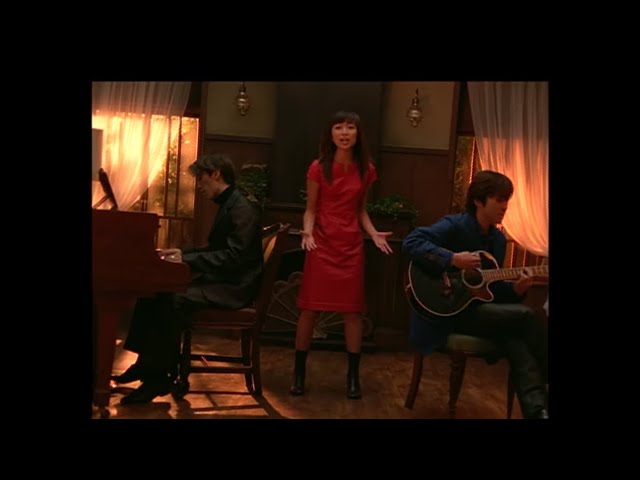
This work, which set the group’s all-time sales record, is a masterpiece ballad of the Heisei era, with Kaori Mochida’s gentle yet powerful vocals striking straight to the heart.
The lyrics portray two people whose desire for each other causes them to drift apart, conveying a sense of hope for the future even amid the sadness.
Released in February 1998 as their eighth single, it became widely known as the theme song for the drama “Amai Kekkon” and as the CM song for Toyota’s HILUX SURF SSR-V.
It’s also included on the classic album “Time to Destination,” and is a must-listen—especially on nights of romantic turmoil or when you want a quiet moment of self-reflection.
Unrequited love for lifeGarakuta

This is a song by Garakuta, a four-piece band based in Nagoya, that portrays unrequited feelings of love in a down-to-earth, relatable way.
If confessing would risk ruining what we have now, I’d rather keep my feelings to myself.
Many listeners will likely feel their hearts tighten at the blend of bravado and honest emotion in the lyrics.
Featured as the first track on their EP released in March 2024, “May it be my song that fills the gaps in your heart,” this piece is perfect for anyone stuck in a love they can’t quite step forward into, despite how strongly they feel.
Heisei-era unrequited love songs: those nostalgic classics (11–20)
Far, far awayMakihara Noriyuki

Noriyuki Makihara, celebrated as one of Japan’s genius melody-makers, continues to create numerous heartfelt masterpieces.
Among his works, the song featured on his 1992 album “Kimi wa Boku no Takaramono” is one that feels perfect for the season of departures and new beginnings.
Though not released as a single, many people may recognize it from appearances such as in NTT East Japan commercials—truly a hidden gem.
The lyrics, which reflect his own image of leaving home to chase his dreams, give courage to those just starting a new chapter in life and to everyone striving far from home.
With minimal leaps in pitch and a comfortable key, it’s easy to sing—making it a great choice for karaoke with friends you haven’t seen in a while, where you can share warm feelings along with nostalgic memories.
spoiled childOtsuka Ai
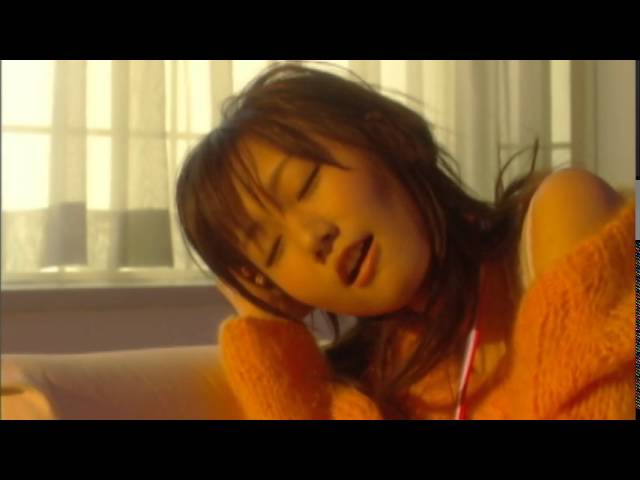
A masterpiece that portrays the bittersweet heart of a girl who can’t be honest in front of the one she likes.
Released in March 2004 as Ai Otsuka’s third single, this song is also well known for its use in Sato Pharmaceutical’s “Stonarhini S” commercial.
The lyrics capture the feelings of a clumsy girl who puts on a brave face even though she really wants to be affectionate—resonating deeply with the gals who blazed through the Heisei era.
The gentle piano tones and Ai Otsuka’s emotional vocals vividly express the wavering feelings of love.
It’s perfect for when you want to confess your feelings to someone you adore, or when you want to show a touch of endearing charm at karaoke.
No way to sayHamasaki Ayumi

Ayu Hamasaki’s 31st single, by an artist who epitomized the Heisei-era music scene and garnered immense support as a fashion icon.
Released in November 2003, the song was featured as the theme for the TBS variety show “Koisuru Hanikami!” and is also known for helping her achieve an unprecedented third consecutive win at the 45th Japan Record Awards.
The lyrics, which portray the frustration of being unable to honestly express your feelings to someone important, intertwine with the winter chill to evoke a heart-wrenching sense of poignancy.
This grand ballad, resounding with beautiful strings, is sure to bring back memories from that time.
Nagisasupittsu

This is a song with a mysterious charm, tinged with the bittersweetness of summer’s end and a dreamlike atmosphere.
The sparkling intro feels like it’s guiding you to the boundary between reality and dreams.
The lyrics penned by Masamune Kusano seem to go beyond a simple love song, encompassing the flow of life and even a profound view of life and death.
It’s filled with poetic beauty that stirs the listener’s imagination.
Released as a Spitz single in September 1996 and included on the classic album “Indigo Chiheisen” (Indigo Horizon), the song also became widely known as the theme for Ezaki Glico’s “Pocky Love Story” commercials.
Why not surrender your heart to the timeless resonance of this masterpiece?