

You can see philosophy and a way of life through words. Short famous quotes by historical figures.

When asked to name someone who achieved great feats and etched their name into history, who comes to mind?
Many of us learned in school about people who created ideas and things that are now taken for granted, or those who laid the foundations of culture.
This time, we’ve compiled a list of short quotes left by especially famous historical figures—names that almost everyone has heard at least once.
Each quote reveals the person’s philosophy and way of life, so be sure to check them out!
- Witty quotes by great figures and celebrities where wordplay shines even in brevity
- Beautiful words by great and famous people that illuminate life
- Uplifting words by great figures and famous people that, despite their brevity, convey a sense of philosophy.
- A collection of quotes from people of the past: messages from famous military commanders and great figures of the world.
- Gives you the power to overcome entrance exams! Short quotes by great and famous people.
- Words from great and famous people that make you forget negativity in an instant!
- Famous quotes everyone knows, including words from great figures and characters
- Just remembering them fills you with courage! Striking quotes that touch the heart from great figures and famous people
- You might even find your motto—short phrases that leave a lasting impression.
- That one line is sure to jolt you! Short but cool words
- Knowing this will surely ease your heart… Comforting words from great and famous people.
- Short maxims by great figures that you’ll want to etch into your heart and remember
- Cherish each and every day! Let your life shine with profoundly moving, supreme quotes.
You can see philosophy and way of life through words. Short famous quotes (21–30) by historical figures
People deserve praise or blame solely based on whether they have the perseverance to see things through.Leonardo da Vinci
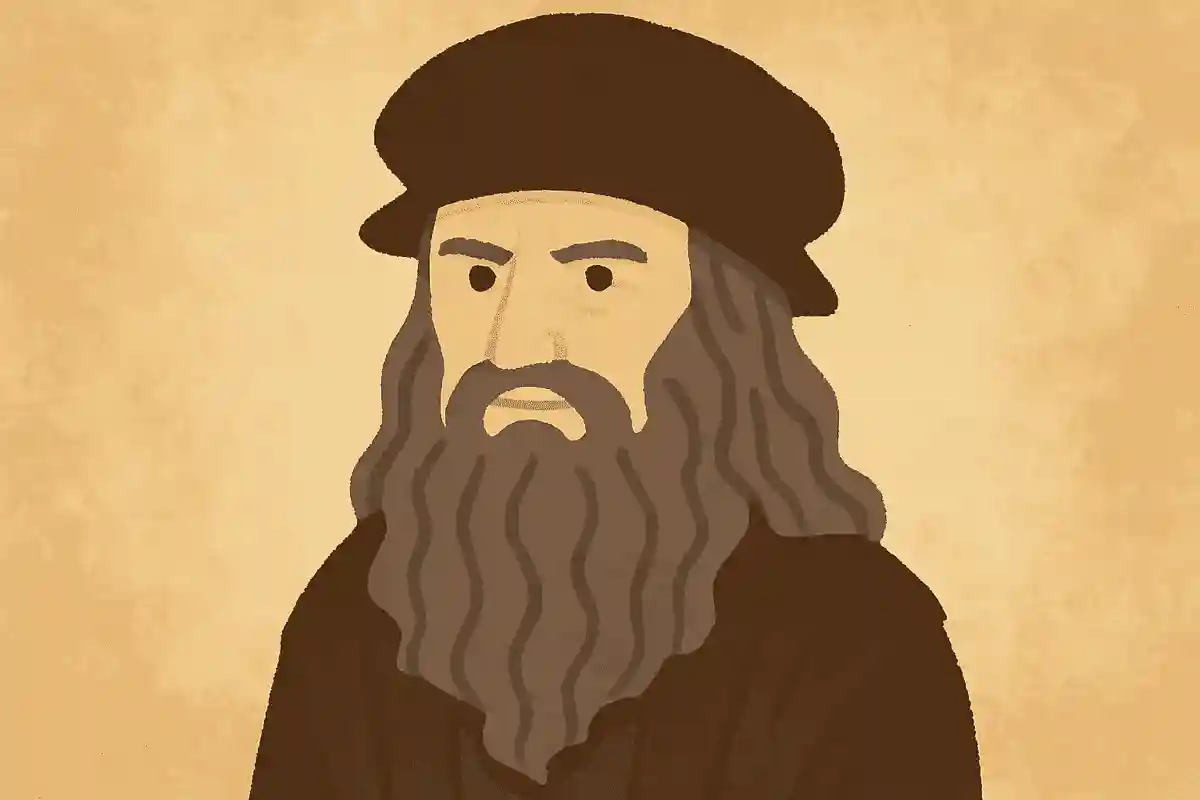
Leonardo da Vinci, a master artist of the Renaissance known for The Last Supper and the Mona Lisa.
From this quote he left behind, we can sense the importance of perseverance.
The ability to carry through without abandoning what you have decided to do is essential for success.
By continuing to make efforts without giving up until the end, people earn praise and etch their names into history.
Leonardo da Vinci is known as a remarkably versatile figure, even called a “universal genius.” Perhaps it was precisely because he possessed this power of perseverance.

If you try, you can achieve; if you don’t try, you won’t. Whatever fails to be accomplished fails because people do not attempt it.Uesugi Yōzan
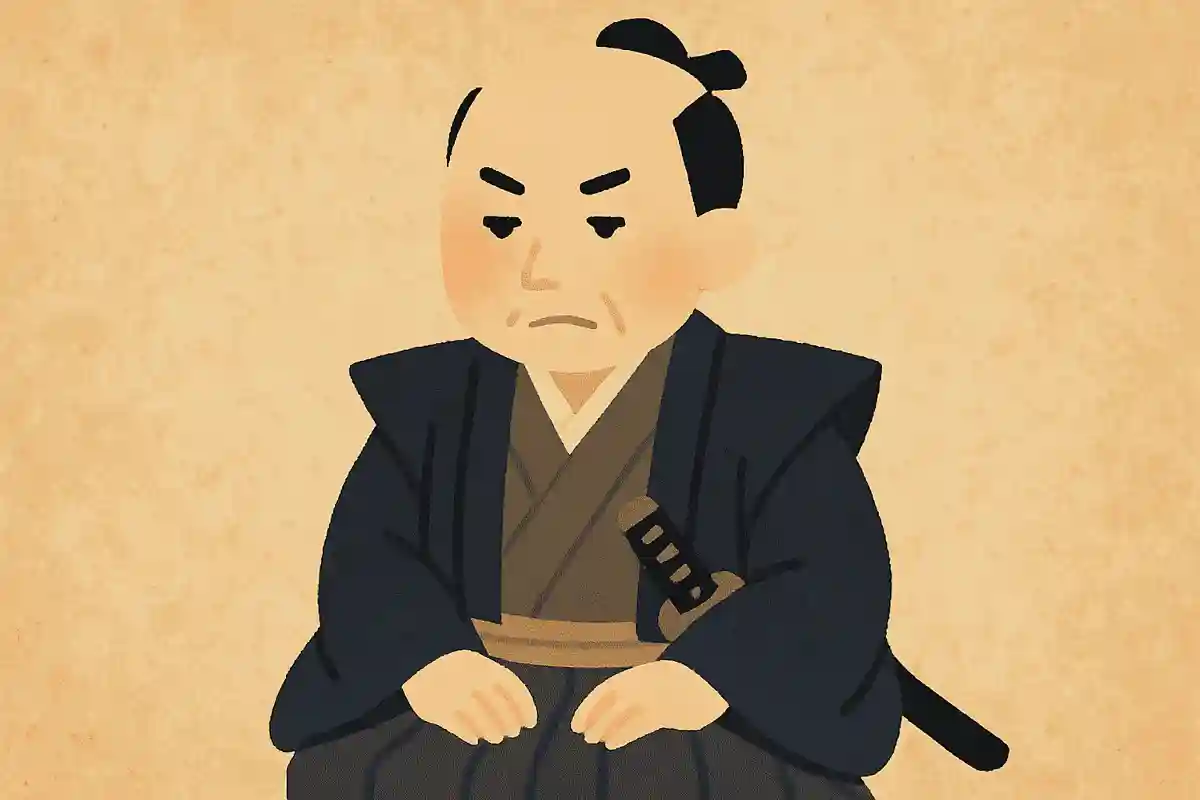
Uesugi Yōzan was a mid-Edo period feudal lord and the 9th daimyō of the Yonezawa Domain in Dewa Province.
These words are said to be a lesson he composed and gave to his retainers.
Both “為す” (nasu) and “成す” (nasu) are pronounced the same.
“為す” means to take action; “成す” means to accomplish something.
In other words, if you try, you can do it.
You can’t do anything if you don’t try.
If something can’t be done, it’s because the person doesn’t attempt it.
These words teach the importance of effort and taking action.

No success for those without dreams.Yoshida Shōin
Yoshida Shoin was a samurai of the Edo period and also an educator.
He founded the Shoka Sonjuku and is known for having mentored figures such as Ito Hirobumi and Takasugi Shinsaku.
His saying “Those without dreams cannot succeed” is actually part of a longer passage: “Those without dreams have no ideals; those without ideals have no plans; those without plans have no execution; those without execution have no success.
Therefore, those without dreams have no success.” These words teach us that to achieve our goals, we must first set them and then carry out the plans to accomplish them.
As you stretch yourself to broaden your horizons, it’s possible you’ll actually grow taller. That’s part of what makes life interesting.Saburō Shiroyama
This quote left by the novelist Saburō Jōyama teaches us the importance of taking on challenges.
Don’t you sometimes find yourself thinking with a narrow perspective? It’s easy to let yourself be carried along without broadening your view or attempting anything new.
But if you widen your perspective just a little, you may realize that what you face is easier to overcome than you thought.
When you stretch yourself to take on a challenge, you begin to see a different landscape—as if you’ve actually grown taller.
When you want to take that first step, remember these words.
Unless the whole world becomes happy, individual happiness is impossible.Kenji Miyazawa

These are words by Kenji Miyazawa, the poet and writer of children’s stories famous for the poem “Be Not Defeated by the Rain.” Kenji Miyazawa is also known for works such as Night on the Galactic Railroad, The Restaurant of Many Orders, and Matasaburo of the Wind.
All humans live by supporting one another.
Even if we feel as though we live on our own, it’s hard to completely separate ourselves from others.
In other words, unless those around us are happy and the entire world becomes happy, our own happiness cannot truly exist.
Not only do we want our own happiness, but we also want the people around us and people across the world to be happy—these are words to keep close to heart.
It is the heart that makes a world without amusements into an interesting one.Shinsaku Takasugi
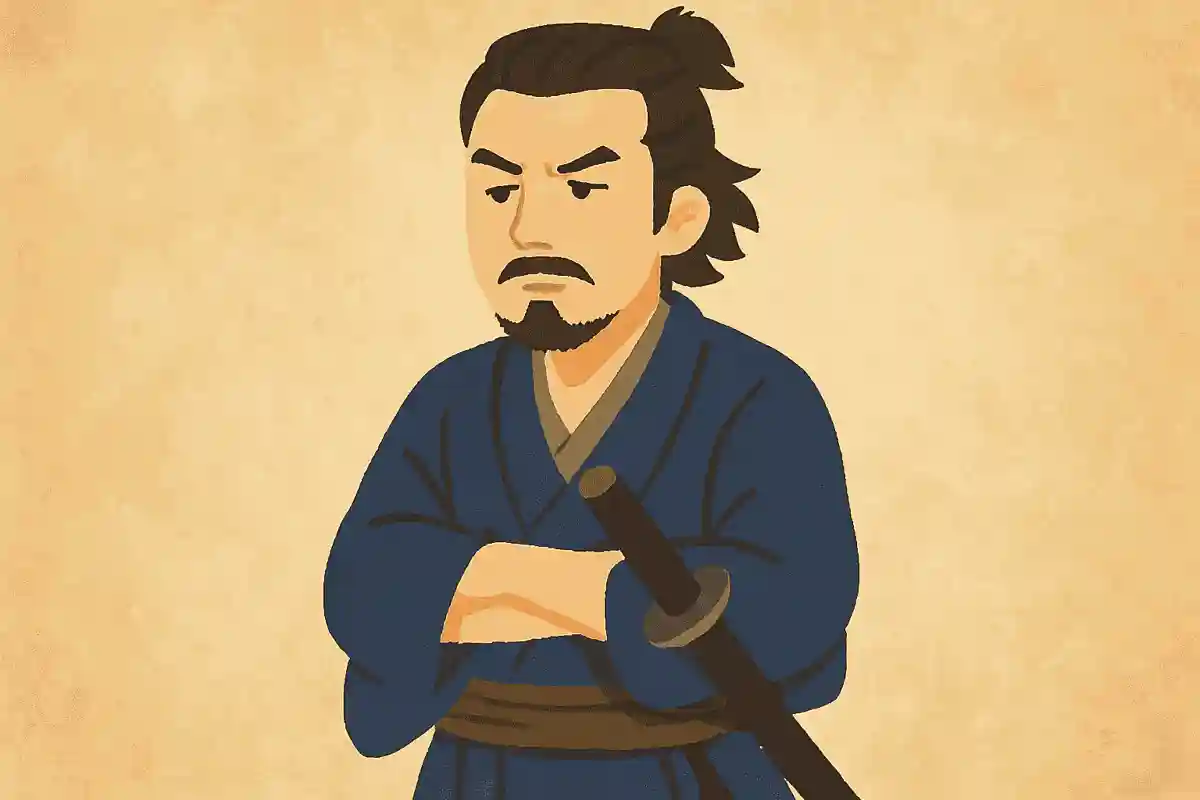
“Make an unamusing world amusing”…
It is said that Shinsaku Takasugi composed only this upper line.
Shinsaku Takasugi was a feudal retainer of the Choshu domain at the end of the Edo period and is known as the founder of the Kiheitai militia.
He fell ill before fulfilling his ambitions, and this is the verse he composed at that time.
The lower line, “It is the heart that makes a place livable,” is said to have been composed by Nomura Botoni, who was nursing him.
Takasugi wrote that whether one lives amusingly in a world that is, by nature, not amusing depends on one’s state of mind, while Nomura Botoni answered that whether the world feels unamusing or not also depends on one’s own feelings.
It’s a verse through which you can enjoy the differing values of Shinsaku Takasugi and Nomura Botoni.
That’s fine—people should live their own way.Tarō Asō
@animationmeigen [Taro Aso] Do what you love rather than going to school and studying.Translation#Animation Quotes Collection
♪ Original song – Animated Quotes Collection – Animated Quotes Collection
It gently untangles the hearts of modern people who tend to be swayed by others’ values.
Everyone has their own environment and experiences, so it’s only natural that our ways of life differ.
There’s no meaning in judging someone’s choices as right or wrong; what matters most is whether that person is convinced and walking their own path.
If you keep conforming to the voices around you, you can lose sight of your own life.
Respecting others also leads to affirming your own way of living.
It’s a quote characteristic of Taro Aso, a longtime politician, showing the breadth to embrace diversity.
