

Japanese hit songs from 1990. Recommended masterpieces and popular tracks

B.B.
Queens, Kome Kome Club, LINDBERG, THE BLUE HEARTS, Hideaki Tokunaga, JUN SKY WALKER(S)…
From among the many classic and popular songs that colored the J-POP hit charts of 1990 (Heisei 2), we’ve selected hit tracks recommended by our studio staff.
It’s a nostalgic playlist that represents the golden age of J-POP.
- [Heisei Retro] Hit Japanese songs that defined the 1990s. Recommended J-POP classics.
- 1991 Japanese Hit Songs | A collection of timeless classics loved across generations!
- [1995 Hit Songs] Masterpieces of Japanese music that colored the Heisei 7 (1995) music scene
- [Hit Songs of 1999] A roundup of timeless tracks that dominated the charts!
- A collection of iconic Heisei-era J-pop hits: Japanese songs that were massive hits in 1994
- Medley of Nostalgic Japanese Pop Hits from the 1990s
- All big hits! A roundup of classic J‑Pop songs that were popular in 2000
- Classic and hit J-pop songs from the nostalgic ’90s
- A coming-of-age song that was a hit in the ’90s. A classic and popular track in Japanese music.
- [2013 Japanese Hit Songs] Masterpieces that Colored the Ama-chan Boom, Group Popularity, and the Band Scene
- Classic and hit songs by nostalgic Japanese bands from the 1990s
- Showa-era classic songs that brightened the 1990s
- Looking back at the gem-like debut songs of female singers who debuted in 1990
Japanese hit songs of 1990 (1–10)
love the islandSuzuki Ami

This is Ami Suzuki’s debut single, released in July 1998, which won the Grand Prix after garnering over 800,000 votes in a TV audition project.
Chosen as the Guam Visitors Bureau’s campaign song, it’s memorable for its refreshing sound that evokes summer sunshine.
The lyrics portray the delicate emotions of a girl flying across the sea to an unfamiliar island—her fluttering excitement mingled with the anxieties of love.
The image of the sandals she changes into at the airport seeming bashful feels like a sensibility unique to a young girl.
Her translucent vocals match the wistful melody perfectly.
The track is also included on the million-selling album SA.
It’s a song that brings back that rush of anticipation right before a summer departure.
EveOkui Masami

It’s a song that, when you listen to it at summer’s end, evokes a bittersweet resonance deep in your chest.
Sung by Masami Okui, the track takes Adam and Eve as its theme, portraying loneliness and the weight of a love that’s anything but straightforward.
Included on the album “Do-can,” released in September 1998, this piece is written and composed by Okui herself.
It’s one I’d especially recommend for quiet summer nights when you want to get lost in thought or immerse yourself in the song’s profound lyrical world.
DEPARTURESglobe

A love song that defined the ’90s, where a heart-stirringly beautiful melody and gentle vocals resonate deep in your chest.
Through the faint hopes and anxieties born from sharing the same days, and the eventual parting and new beginnings, this single—released in February 1996—lovingly captures the memories the two protagonists walked together.
Its familiar dance tune and bittersweet romantic feelings lead you into a breathtakingly dramatic progression.
Featured in JR East’s ski campaign “JR ski ski,” it was etched into many people’s hearts alongside the striking visuals of Yutaka Takenouchi and Makiko Esumi.
An eternal classic from globe, dedicated to everyone setting out on a new path.
Japanese hit songs of 1990 (11–20)
LA LA LA Love SongKubota Toshinobu
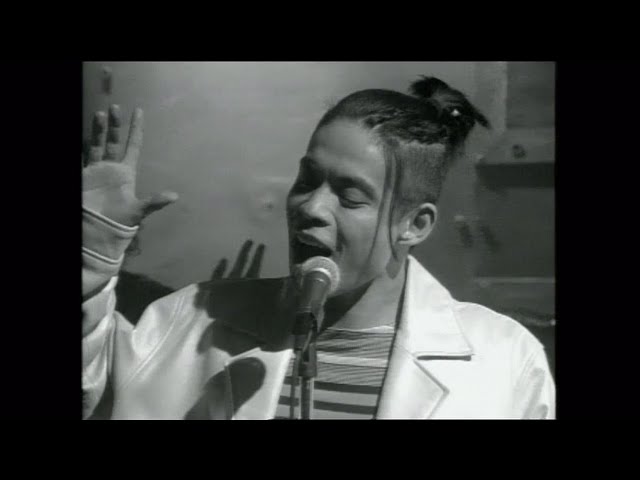
It’s a sweet and heartrending love song that’s vivid enough to wake you up.
Like a carousel, it spins with ever-turning feelings of love, expressed through a catchy melody that lingers in your ears.
Beginning with the two taking shelter from the rain in the city, this sweet romance paints their memories with cinematic clarity and gently sings of their deepening love.
It’s a wonderful classic that leaves listeners with an impression of eternal romance.
Released as a single in May 1996, it drew attention as the theme song for the Fuji TV drama “Long Vacation.” As one of Toshinobu Kubota’s signature works, featuring Naomi Campbell, it’s a refined track with a strong R&B flavor.
Many listeners may find it brings back memories of their youth.
Broken RadioTokunaga Hideaki

Like music flowing from a nostalgic radio, a timeless song that seeps into the heart along with memories was created by Hideaki Tokunaga in July 1990.
The track, which overlays the feelings of a boy transitioning from adolescence to adulthood with the image of a broken radio, was used as the theme song for the TBS drama “Tokai no Mori” (“Urban Forest”) and reached No.
5 on the Oricon Weekly Singles Chart.
Featuring a grand arrangement by Ichizo Seo and beautifully harmonized with Tokunaga’s delicate vocals, the song artfully blends elements of pop and ballad into a moving piece.
It was also included on the album “JUSTICE” and performed at NHK’s Kōhaku Uta Gassen in 2006 and 2009.
Conveying the transience and passion of youth, as well as a yearning for self-renewal, this work gently embraces the emotional fluctuations everyone experiences while growing up—a resonant song that speaks to the heart.
Odoru Pompoko RinB.B. Kuīnzu

The best-selling single in 1990 is the theme song of the anime Chibi Maruko-chan, which is still popular and on the air today.
Although anime theme songs would normally be considered music for children, this track is packed with fun elements that also appealed to adults.
Kiss me right nowLINDBERG

This song, which speaks for young people—similar to what we’d now call youth punk—was also a big hit.
With its easy-to-sing melody and female vocals, it remains a karaoke staple even today.
It’s a timeless track that would likely be a hit in the current era as well.