

A collection of iconic Heisei-era J-pop hits: Japanese songs that were massive hits in 1994

The Japanese music scene in 1994 was a landmark year when the term “J-POP” began to take root and musical diversity accelerated all at once.
Drama theme songs lit up the charts one after another, and a wide range of classic tracks emerged—from heartrending love songs to upbeat dance numbers.
With karaoke culture at its peak, catchy melodies that everyone could sing along to were released in rapid succession.
In this piece, we’re bringing you a generous selection of hit songs released in 1994! For those who listened in real time back then, they’ll bring back memories; for younger generations, these gems will sound fresh.
Be sure to give them a listen!
Japanese hits that were big in 1994. A roundup of Heisei J-pop masterpieces (1–10)
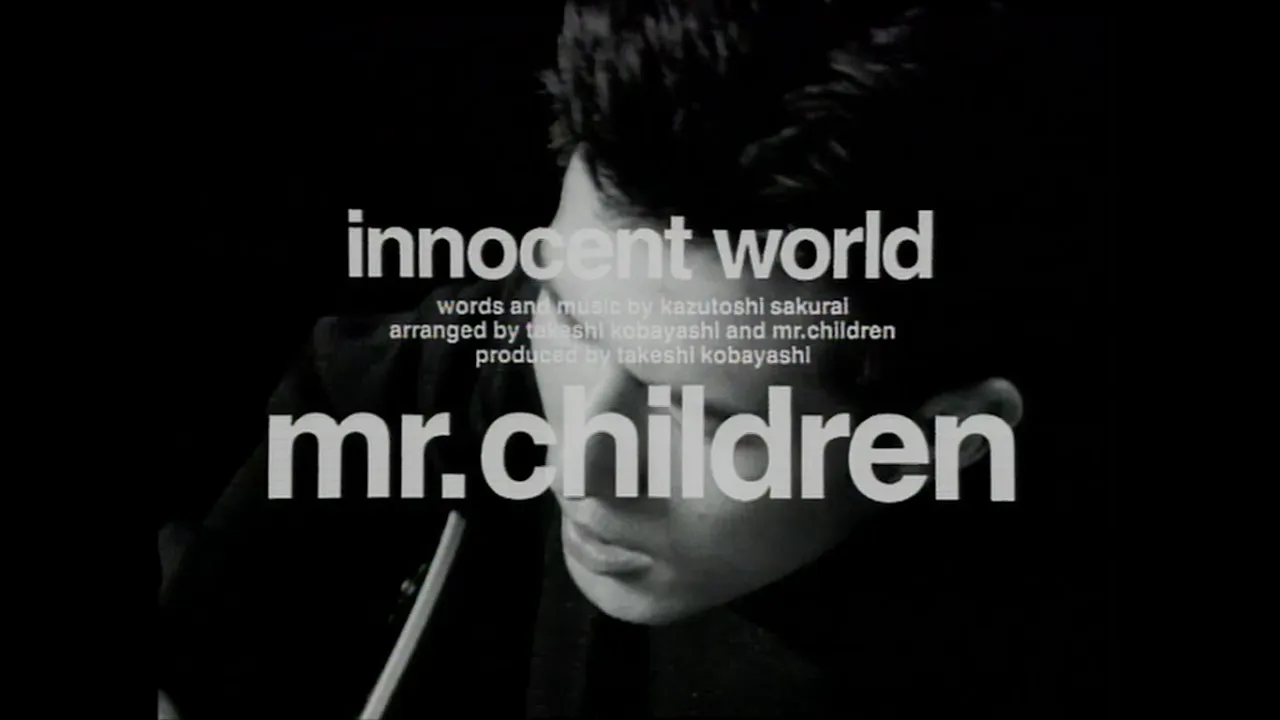
innocent worldMr.Children

This is Mr.Children’s fifth single, which became a massive hit in June 1994.
It was used in commercials for Japan Coca-Cola’s Aquarius Neo/Aquarius Iosis and earned the band their first No.
1 on the Oricon Weekly Chart.
It also won the Grand Prize at the 36th Japan Record Awards and sold a total of about 1.936 million copies, making it a landmark song.
The lyrics portray the desire to keep a pure heart while grappling with an ever-changing reality, delivering a hopeful message about moving forward with a faint light in one’s heart—something that has encouraged many listeners.
It remains a classic that gets everyone fired up at karaoke and is beloved across generations.
Don’t Leave MeB’z

In a sharp turn from their pop direction, B’z released a heavy rock ballad in February 1994, where thick guitar tones intertwine with a blues harp, and it secured the No.
1 spot on the Oricon weekly chart for three consecutive weeks.
Chosen as the theme song for the TV Asahi drama “New Airport Story,” the single posted explosive first-week sales of around 790,000 copies and surpassed one million in its second week.
The lyrics, voiced in the first person with regret and lingering attachment, portray the urgency of an inevitable parting, and together with the resonance of a Hammond organ, they create a deeply plaintive soundscape.
In live performances, an arrangement that drives forward with Koshi Inaba’s shouts has become standard, and on the album “The 7th Blues,” the song was positioned as a key track that opens the record.
With its sound that brings blues rock to the forefront, it marked a major turning point in the band’s career and continues to be beloved by many fans to this day.
God of RomanceHirose Kōmi

Kohmi Hirose’s signature song—still beloved as the quintessential winter anthem—was released in December 1993 and became a massive hit, topping the Oricon Weekly Chart into 1994.
Featured in a commercial for the sporting goods retailer Alpen, its upbeat four-on-the-floor rhythm and optimistic lyrics about wishes for love perfectly matched the winter sports boom of the time.
With cumulative sales exceeding 1.7 million copies, the track earned Hirose the title “Queen of Winter.” It’s a high-energy, feel-good tune that’s perfect for hyping up in the car on the way to the slopes, at the ski resort itself, or for anyone wanting to sing a winter classic at karaoke.
Don’t avert your eyes.DEEN
Released in June 1994, this number is widely known as a refreshing DEEN-style summer song and became a million-selling hit with over 1.03 million copies shipped.
The lyrics, written by Izumi Sakai of ZARD, convey the protagonist’s anxiety and wish upon noticing that their lover seems different from usual.
Despite its bright, catchy melody, the song’s appeal lies in how it portrays the bittersweet feelings of drifting apart and sensing distance.
It was also used in a commercial for Otsuka Pharmaceutical’s Pocari Sweat, and with its brisk arrangement and Shuichi Ikemori’s clear, transparent vocals, it became a track that colors the summer.
Give it a listen when you want to liven up a karaoke session—or when you want to reminisce about a slightly bittersweet summer romance.
Tomorrow never knowsMr.Children

This is Mr.Children’s sixth single, released in November 1994, which was chosen as the theme song for the Fuji TV drama “Wakamono no Subete” and achieved an astonishing total sales of approximately 2.766 million copies.
It opens with a striking intro played on a synthesizer piano, and Kazutoshi Sakurai’s soul-stirring vocals gently weave a universal message: “No one knows what tomorrow will bring.” The lyrics depict the will to keep moving forward despite pain and regret, offering a gentle push to anyone who has found themselves standing still.
Winner of the Grand Prix Single Award at the 9th Japan Gold Disc Awards, this masterpiece—emblematic of Heisei-era J-pop—is guaranteed to fire up the crowd when you sing it with friends at karaoke.
Until the World Ends…WANDS

It’s a rock ballad that fuses lyrics depicting loneliness and a sense of loss in the big city with a powerful melody crafted by Tetsurō Oda, leaving a striking impression with a masculine inner landscape that stands apart from their earlier love-song approach.
Released in June 1994 as WANDS’s eighth single, it was chosen as the ending theme for the second season of the TV anime Slam Dunk and became a million-seller, topping the Oricon weekly chart for two consecutive weeks.
With its hard-edged guitar sound and Shō Uesugi’s emotional vocals, the track resonated across generations—helped by the karaoke boom at the time.
Its composition appeals not only to anime fans but also to rock enthusiasts, so give it a listen when you want to revisit your youth.
Boy Meets GirlTRF

TRF is a five-member coed dance and vocal group that dominated the J-POP scene in the 1990s.
Their seventh single, released in June 1994, is a gem of a dance track that reached countless ears as a Coca-Cola commercial song.
Centered on the themes of a fateful encounter and setting off on a journey, the lyrics positively portray the moment when a boy’s and a girl’s dreams intersect, brimming with energy that gives listeners a push forward.
The four-on-the-floor beat at 135 BPM and the striking callout in the intro create a surge of excitement that makes you want to move.
A million-selling hit that reached No.
3 on the Oricon weekly chart and No.
9 for the year with about 1.22 million copies sold, it was performed when TRF made their first appearance on NHK’s Kōhaku Uta Gassen.
It’s the perfect song for when you want to start something new or lift your spirits.