

A collection of iconic Heisei-era J-pop hits: Japanese songs that were massive hits in 1994

The Japanese music scene in 1994 was a landmark year when the term “J-POP” began to take root and musical diversity accelerated all at once.
Drama theme songs lit up the charts one after another, and a wide range of classic tracks emerged—from heartrending love songs to upbeat dance numbers.
With karaoke culture at its peak, catchy melodies that everyone could sing along to were released in rapid succession.
In this piece, we’re bringing you a generous selection of hit songs released in 1994! For those who listened in real time back then, they’ll bring back memories; for younger generations, these gems will sound fresh.
Be sure to give them a listen!
- [1995 Hit Songs] Masterpieces of Japanese music that colored the Heisei 7 (1995) music scene
- [Heisei Retro] Hit Japanese songs that defined the 1990s. Recommended J-POP classics.
- Hit Japanese songs from 1993: recommended classics and popular tracks
- Hit Japanese songs of 2004: recommended classics and popular tracks
- Karaoke songs that were hits in the ’90s. Classic and popular tracks from Japanese music.
- [Hit Songs of 1999] A roundup of timeless tracks that dominated the charts!
- Japanese hit songs from 1990. Recommended masterpieces and popular tracks
- Cool songs of the Heisei era. Hit tracks that energized the times.
- Songs that were hits in the Heisei era are so nostalgic. We've carefully selected timeless classics you'll find yourself humming.
- A collection of nostalgic hits from the Heisei era: Let’s look back at iconic songs from the 1990s and 2000s.
- Heisei-era masterpieces. Hit songs that represent the Heisei period.
- Heisei Song Collection: Iconic Hits That Colored the ’90s and 2000s
- [Nostalgic Hits] Popular Japanese dance music songs that were hits in the 1990s
Japanese hits that were big in 1994. A collection of classic Heisei J-POP songs (11–20)
IT’S ONLY LOVE/SORRY BABYFukuyama Masaharu

Released in March 1994, Masaharu Fukuyama’s first single to top the Oricon charts features a mid-tempo rock number that overlays memories of a lost love onto seaside scenery.
Set to a West Coast-style sound, it expresses the quiet, profound sense of loss that follows the end of a love once believed to be eternal.
The restrained vocal delivery is designed to convey emotion, creating a narrative that shifts from monologue to confession.
Issued as a double A-side with “SORRY BABY,” it was used in a DyDo Blend Coffee commercial in which Fukuyama himself appeared.
Holding the No.
1 spot for four consecutive weeks and selling approximately 1.17 million copies, this million-selling hit became a major turning point that led to later songs like “HELLO” and “Sakurazaka.”
TRUE LOVEFujii Fumiya

Released in November 1993, this song is the landmark debut single under Fujii Fumiya’s solo name, for which he wrote both the lyrics and music as the theme for the drama “Asunaro Hakusho.” Its restrained arrangement centered on acoustic guitar and its simple chord progression create a strikingly transparent sound.
The lyrics quietly ruminate on a lost lover, eschewing excess ornamentation and conveying poignancy through brief phrases and silence.
Fujii’s vocal performance is also superb, singing the same melody in falsetto for the first chorus and in chest voice for the second.
Ultimately selling over two million copies and winning the Japan Gold Disc Award, this work is an eternal love ballad—perfect for anyone nostalgic about a past romance or seeking quiet solace.
SPYMakihara Noriyuki

Noriyuki Makihara is a genius singer-songwriter who dominated commercial sales in the 1990s and, after many twists and turns, continues to thrive even now in the 2020s.
While his early work often evokes love songs and anthems that skillfully depict the everyday, his track “SPY” stands out for its striking phrases that hint at Chinese musical influences, and lyrics that brilliantly tie back to the title—an undeniable masterpiece that’s sure to impress.
It’s bittersweet that the lyrics are actually based on Makihara’s own experiences, and the song became a massive hit, reaching No.
1 on the Oricon charts.
Pure Love RhapsodyTakeuchi Mariya

Since the late 2010s, Mariya Takeuchi has been rediscovered by overseas music fans in the context of city pop, and her outstanding talent as a singer-songwriter has become known to younger generations as well.
Many of the masterpieces she created in tandem with her husband, Tatsuro Yamashita, were big hits, but when it comes to Mariya in 1994, it has to be “Jun’ai Rhapsody.” It was the theme song for the drama “Deatta Koro no Kimi de Ite,” and although it’s a refined pop song, its theme actually follows the drama’s storyline: an affair.
It’s remarkable how it conveys none of the sordid undertones you might expect, and in fact, it stands as her biggest hit.
Embracing SummerTUBE
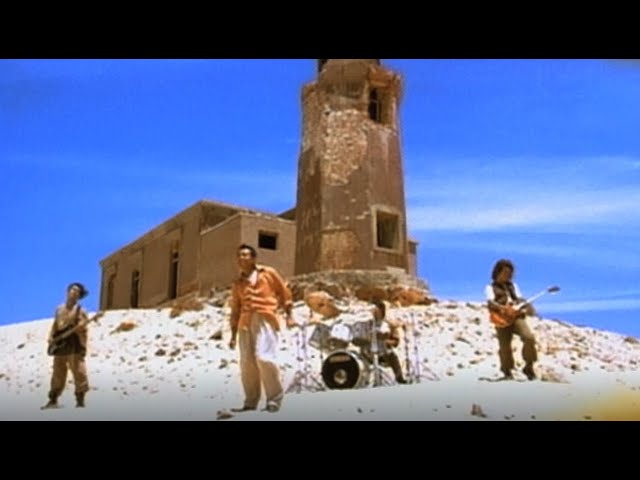
Among TUBE’s many hit songs, the best-selling single is actually “Natsu wo Dakishimete,” released in May 1994.
They’ve continued to release countless ‘summer songs,’ but this track stands out for its poignant melody—the gently sung first half and the expansive, sing-along-worthy chorus are just incredible.
Of course, it remains hugely popular at karaoke even in the 2020s, and you’ve probably heard it at least once.
Even if I grow tired of swimming in this loveZARD

ZARD, who have released numerous smash-hit singles including the national hit song “Makenaide,” put out “Kono Ai ni Oyogi Tsukarete mo” in 1994.
It was their fourth best-selling single, and if you listen to Izumi Sakai’s clear, transparent voice pouring out the wistful melody, chances are that even younger generations have heard it at least once.
One distinctive feature is the arrangement: right after the first chorus, the key goes up by a half step and the tempo picks up, which might surprise first-time listeners.
Japanese hits that were big in 1994. A collection of Heisei J-pop masterpieces (21–30)
Let’s do our best.SMAP

Among the discography of SMAP—a Heisei-era national idol group for whom calls to reunite still haven’t ceased—this track, Ganbarimashou, released in September 1994, is especially important.
Incorporating funk elements such as sampling from Prince’s music, it became a major hit as an unmistakably ’90s, non-preachy anthem of encouragement, and it helped their popularity surge rapidly.
It’s also a song from when Katsuyuki Mori was still a member, and many people surely feel nostalgic for that time.