

Heisei-era masterpieces. Hit songs that represent the Heisei period.

The Heisei era, which lasted 31 years from 1989 to 2019.
From the 1990s—the golden age of J-POP that began at the end of the Showa era—through the 2010s, when listening habits changed and new artists emerged one after another, countless hit songs were born!
In this article, we’ll introduce the classics that have been loved for many years as well as memorable hits from the later Heisei years—songs that colored the Heisei era.
It’s a wonderful playlist full of nostalgic tracks that will bring back memories just by listening.
Be sure to check out these masterpieces that should be passed down in the Reiwa era and beyond!
Masterpieces of the Heisei era. Hit songs that represent the Heisei period (1–10)
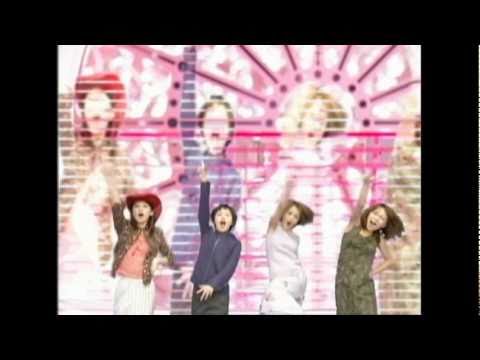
LOVE MachineMōningu Musume.
When talking about idol groups of the Heisei era, you absolutely can’t leave out Morning Musume.
Their song “LOVE Machine” is legendary in the Heisei idol scene, having sold over a million copies.
It was chosen for all kinds of performances, so there are probably still people who can sing it while dancing.
It’s truly one of the songs that deserves to be called representative of the Heisei era!

Heavy rotationAKB48

When it comes to the idol group that ignited the Heisei-era idol boom, it’s undoubtedly AKB48.
Their dominance of the Oricon charts became a true social phenomenon.
Among their songs, “Heavy Rotation” is a masterpiece that achieved overwhelming sales!
Roco LotionORANGE RANGE
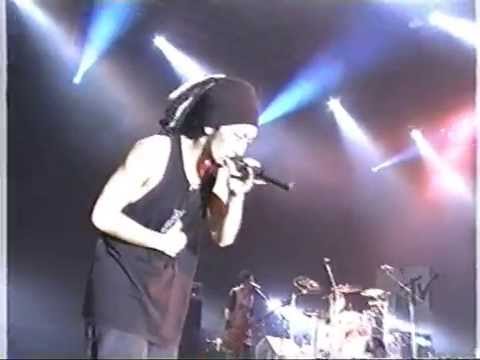
Wasn’t ORANGE RANGE a pioneer in spreading sounds like dance music, hip-hop, and rap—now taken for granted—in Japan? A sound without a strong melodic line, rhyme-driven lyrics, upper-body–focused moves—if you trace today’s sound back, don’t you end up at ORANGE RANGE? Even “Locolotion” still sounds completely fresh today.
I think their achievement is significant.

Don’t give upZARD

As a Heisei-era cheer song, you simply can’t leave out “Makenaide.” It’s still featured on certain TV programs and continues to be sung even in the Reiwa era.
Although the vocalist, Izumi Sakai, sadly passed away, her voice lives on through “Makenaide,” continually giving strength to people’s hearts.
Listening to it when you feel like you’re about to give up will lift your spirits.
Just by you being herekome kome CLUB

Kome Kome Club was actually a comic song and funk-style band back in the Showa era.
I’ve liked them and followed them since their debut, so when I heard “Kimi ga Iru Dake de,” I thought their mellowed-out side wasn’t bad at all.
Still, the funky core of Kome Kome Club hasn’t been lost.
We don’t get to see it much these days, but I’d love to see them go full-on funky and playful again, even in the Reiwa era.
AutomaticUtada Hikaru
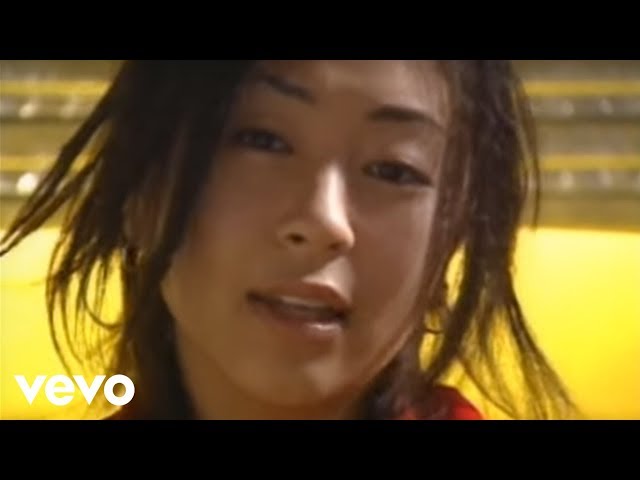
Utada Hikaru’s debut single “Automatic” sent shockwaves through the scene and left an indelible impact from the moment it was released.
A born charismatic from her debut, Utada is an artist you simply can’t leave out when discussing the music of the Heisei era.
It’s said she spent much of her childhood in the studio—and no wonder, as she’s the daughter of Keiko Fuji.
Be sure to give Utada Hikaru’s classic “Automatic” a listen!
Marigoldaimyon
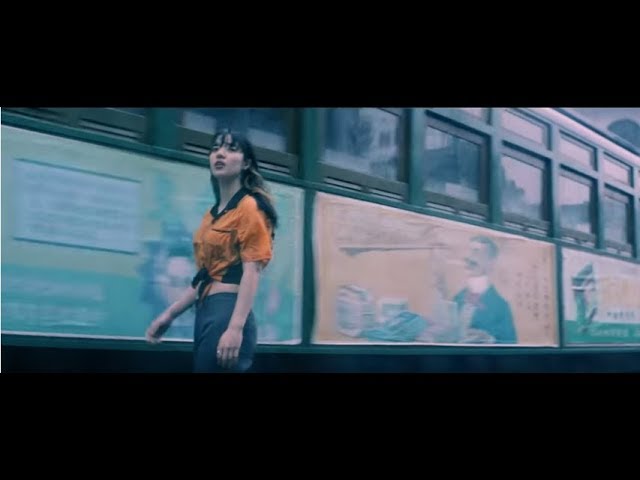
A major singer-songwriter who suddenly appeared at the end of the Heisei era.
Not in a bad way, she looks like an ordinary girl, and this “Marigold” has no difficult chords—you can sing and play it on guitar with just a bit of practice.
She showed that even an ordinary girl, given the chance, could stand on the stage of the Budokan, and gave us that dream—she’s a great artist.
With unadorned lyrics that sing what we want to say on our behalf, she truly is a wonderful artist who represents both the Heisei and Reiwa eras.