

Heisei-era masterpieces. Hit songs that represent the Heisei period.

The Heisei era, which lasted 31 years from 1989 to 2019.
From the 1990s—the golden age of J-POP that began at the end of the Showa era—through the 2010s, when listening habits changed and new artists emerged one after another, countless hit songs were born!
In this article, we’ll introduce the classics that have been loved for many years as well as memorable hits from the later Heisei years—songs that colored the Heisei era.
It’s a wonderful playlist full of nostalgic tracks that will bring back memories just by listening.
Be sure to check out these masterpieces that should be passed down in the Reiwa era and beyond!
- Heisei Song Collection: Iconic Hits That Colored the ’90s and 2000s
- All big hits! A roundup of classic J‑Pop songs that were popular in 2000
- Emotional songs from the Heisei era. Nostalgic tracks that really hit you.
- Cool songs of the Heisei era. Hit tracks that energized the times.
- Songs from the Heisei retro era that will get any generation excited! Timeless tracks you’ll want to listen to now.
- [Heisei Love Songs] A carefully selected collection of gem-like love songs that continue to be cherished even in the Reiwa era!
- A Must-See for the Heisei Generation: Nostalgic Songs That Were Popular in the Heisei Era
- [Japanese Music] Masterpieces of 2000s Pop: A roundup of hit songs from 00s J-POP
- Old songs from the Showa to Heisei eras: a collection of timeless classics loved across generations
- [Heisei Songs] Classic hits from the Heisei era that are popular on Instagram Reels
- A revival hit driven by social media! Heisei-era masterpieces that are resonating with Gen Z today
- Heisei-era graduation songs roundup: iconic youth anthems from the ’90s to the 2010s
- Love songs that were hits in the 2000s. Classic and popular Japanese songs.
Heisei-era masterpieces. Hit songs that represent the Heisei period (31–40)
Can’t Stop Fallin’in Loveglobe

When I start to feel winter in the air, this is the TK sound from back then that I can’t help but listen to.
Led by Tetsuya Komuro, globe released this as their seventh single in October 1996.
Following “DEPARTURES,” it was used in JR East’s “JR ski ski” commercial and became a massive hit, selling over 1.3 million copies in total.
The lyrics, which portray an earnest adult romance that draws two people together beyond even morals and rules, strike a chord alongside the beautiful melody.
The world woven by KEIKO’s powerful vocals and Marc Panther’s rap shines with the brilliance that defined the ’90s.
Paradoxw-inds.
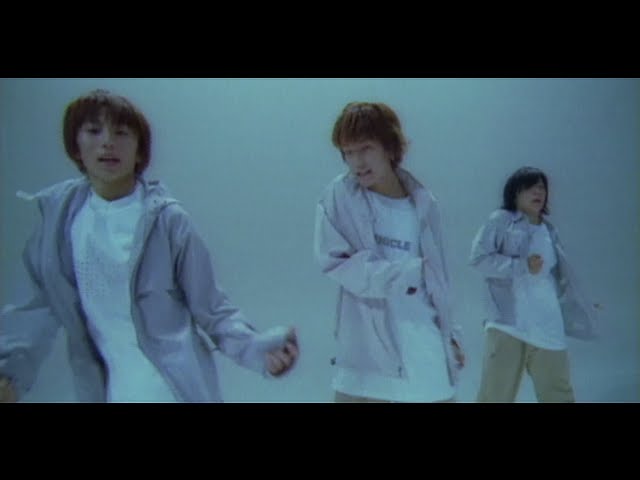
w-inds.
is a dance-vocal unit that made a striking debut in the early 2000s.
This early signature track is a dance number that fuses a four-on-the-floor beat with a wistful melody.
The lyrics, depicting missed connections and inner contradictions, reflect the honest emotions of teenagers and resonate deeply with listeners.
Released in October 2001 as their third single, the song’s success earned them the Best New Artist Award at that year’s Japan Record Awards.
It’s perfect for anyone who wants to immerse themselves once again in the world of Heisei-era hit songs.
Nagisasupittsu

This is a song with a mysterious charm, tinged with the bittersweetness of summer’s end and a dreamlike atmosphere.
The sparkling intro feels like it’s guiding you to the boundary between reality and dreams.
The lyrics penned by Masamune Kusano seem to go beyond a simple love song, encompassing the flow of life and even a profound view of life and death.
It’s filled with poetic beauty that stirs the listener’s imagination.
Released as a Spitz single in September 1996 and included on the classic album “Indigo Chiheisen” (Indigo Horizon), the song also became widely known as the theme for Ezaki Glico’s “Pocky Love Story” commercials.
Why not surrender your heart to the timeless resonance of this masterpiece?
STARSNakajima Mika

With her one-of-a-kind presence and expressive power, singer Mika Nakashima made a striking debut both as an actress and a vocalist.
Released in November 2001, this debut single was used as the theme song for the TV drama “A Love Song Scarred with Wounds.” Nakashima herself appeared in the show as the heroine, and her performances in the drama left a powerful impression on viewers at the time.
With lyrics by Yasushi Akimoto, the song’s world—blending a strong will to seize one’s dreams with a bittersweet poignancy—combined with her deep, husky voice to stir listeners’ hearts.
Selling over 460,000 copies in total and winning the Best New Artist Award at the 44th Japan Record Awards, it is a gem of a ballad that can be called the very origin of her career.
Get fired upDaikoku Maki

When it comes to NHK’s broadcast theme song for the Atlanta Olympics, this is probably the first track many people think of.
Released as a single in July 1996, it became a massive hit, reaching No.
1 on the Oricon charts.
The lyrics portray the frustration of not being able to be honest with oneself, along with the determination to move forward with passion anyway—paired with powerful high-note vocals that resonate deeply with listeners.
Also included on the album “POWER OF DREAMS,” this energetic anthem is perfect for psyching yourself up when it really counts or getting hyped while watching sports.
Masterpieces of the Heisei Era. Hit songs that represent the Heisei period (41–50)
FINAL DISTANCEUtada Hikaru

This work boldly rearranges the title track of the album “Distance” into a majestic ballad centered on piano and strings.
Moved by a tragic incident that occurred in June 2001, Hikaru Utada recorded a new version as a prayer for repose, releasing it as a single in July 2001.
The lyrics, which depict a closeness that feels just out of reach and an unbreakable longing for someone dear, evoke a heart-wrenching sadness with every listen.
Its overwhelming expressive power has not faded, even more than twenty years after its release.
It is a gem that represents the Heisei era—one to be heard on a quiet night while thinking of someone precious who remains in your heart.
Papillon ~papillon~Shimatani Hitomi

Hitomi Shimatani’s third single, released in February 2001.
It caused a major stir as a Japanese-language cover of Janet Jackson’s worldwide hit, and became the catalyst for Shimatani’s breakthrough in the pop scene.
While preserving the original’s sophisticated rhythm, the lyrics portray a butterfly freely dancing across the skies of Asia, giving listeners a liberating sense of setting off on an exotic journey.
The phrases interwoven with words from various languages leave a pleasant, oriental resonance that lingers in the ears.
It’s an energetic dance number perfect for livening up a karaoke session or for refreshing yourself when you want a brief escape from everyday life.