

Heisei-era masterpieces. Hit songs that represent the Heisei period.

The Heisei era, which lasted 31 years from 1989 to 2019.
From the 1990s—the golden age of J-POP that began at the end of the Showa era—through the 2010s, when listening habits changed and new artists emerged one after another, countless hit songs were born!
In this article, we’ll introduce the classics that have been loved for many years as well as memorable hits from the later Heisei years—songs that colored the Heisei era.
It’s a wonderful playlist full of nostalgic tracks that will bring back memories just by listening.
Be sure to check out these masterpieces that should be passed down in the Reiwa era and beyond!
- Heisei Song Collection: Iconic Hits That Colored the ’90s and 2000s
- All big hits! A roundup of classic J‑Pop songs that were popular in 2000
- Emotional songs from the Heisei era. Nostalgic tracks that really hit you.
- Cool songs of the Heisei era. Hit tracks that energized the times.
- Songs from the Heisei retro era that will get any generation excited! Timeless tracks you’ll want to listen to now.
- [Heisei Love Songs] A carefully selected collection of gem-like love songs that continue to be cherished even in the Reiwa era!
- A Must-See for the Heisei Generation: Nostalgic Songs That Were Popular in the Heisei Era
- [Japanese Music] Masterpieces of 2000s Pop: A roundup of hit songs from 00s J-POP
- Old songs from the Showa to Heisei eras: a collection of timeless classics loved across generations
- [Heisei Songs] Classic hits from the Heisei era that are popular on Instagram Reels
- A revival hit driven by social media! Heisei-era masterpieces that are resonating with Gen Z today
- Heisei-era graduation songs roundup: iconic youth anthems from the ’90s to the 2010s
- Love songs that were hits in the 2000s. Classic and popular Japanese songs.
Heisei-era masterpieces. Hit songs that represent the Heisei era (81–90)
MiracleGReeeeN

It became a massive hit as the theme song for the youth drama ROOKIES, which follows a high school baseball team’s struggles.
This song is a straightforward love ballad that calls the encounter with an irreplaceable person a “miracle” and celebrates the journey you’ve walked together as a “trail of memories.” Its unadorned words convey a love so deep that mere expressions of gratitude can’t capture it, resonating with listeners’ hearts.
Released by GReeeeN in May 2008, the song—boosted by the drama’s popularity—became one of the year’s defining tracks.
In 2017, the film Kiseki: Sobito of That Day, which portrays the song’s origin story, was released, and it has since become a coming-of-age anthem beloved across generations.
It’s a timeless classic that feels like a song cheering on life—one you’ll want to listen to when you want to reaffirm your feelings for someone important.
WOW WAR TONIGHT ~Sometimes You Gotta Make a MovementH Jungle with T
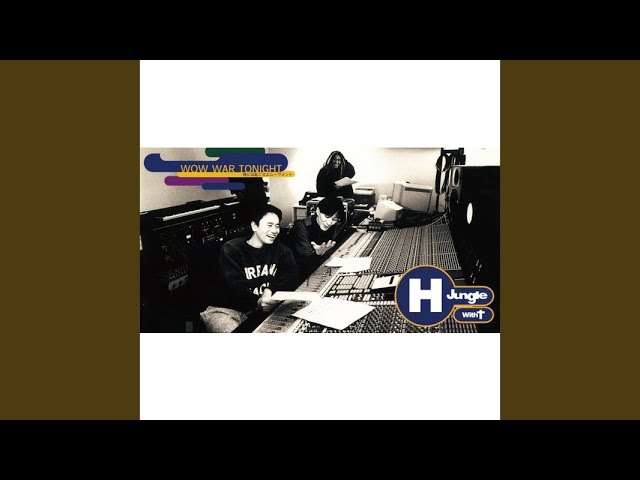
H Jungle with t is a music unit formed by Masatoshi Hamada of the comedy duo Downtown and music producer Tetsuya Komuro.
Their debut single, released in February 1995, was a massive hit and became a social phenomenon.
This work is an anthem that lights a fire in the hearts of those who question the monotony of everyday life and wish to change something.
Rather than settling for the status quo, it delivers a powerful message to take action and create a movement, which truly resonates.
It’s an energetic track you’ll want to listen to when you’re tired from work or daily life and want to gain fresh strength for tomorrow with your friends.
FlowerORANGE RANGE

ORANGE RANGE is a rock band with a three-vocalist lineup, each with a different vocal range, captivating fans with their wide expressive palette.
Released in October 2004 as their eighth single, this song became a major hit as the theme for the film “Be with You.” It sings of a universal love directed not only toward a lover but also toward irreplaceable people like family and friends, with heartfelt lyrics that resonated with many.
Layers of strings over a wistful melody create an emotionally stirring ballad worthy of the catchphrase “the version of RANGE that makes you cry.” It topped the Oricon Weekly Chart for a total of four weeks and was also included on the acclaimed album “musiQ.” Listening to it while thinking of someone dear brings a gentle warmth, as if your heart is being softly embraced.
cherry blossomKetsumeishi

Throughout the history of J-POP, many artists have released songs themed around “sakura,” and this work, released by Ketsumeishi in February 2005, is one of the most iconic.
Although they are a hip-hop group, their style—blending catchy, singable melodies with emotionally resonant rap—won support from a wide audience.
The lyrics depict memories of a lover who is no longer here, evoked by the sight of cherry blossoms fluttering in the wind.
Even though the scenery remains unchanged, the absence of a loved one creates a sense of loss that tightens the listener’s chest.
Despite having no tie-in, this massive hit sold about 210,000 copies in its first week, and its drama-style music video starring Masato Hagiwara and Emi Suzuki further deepens the song’s world.
It’s also perfect as a BGM for a spring drive when you’re feeling a bit nostalgic about the past.
budKobukuro

Kobukuro is a musical duo formed after a chance meeting during a street performance.
Their 14th single, released in March 2007, was written as the theme song for the drama “Tokyo Tower: Mom and Me, and Sometimes Dad,” and went on to win the 49th Japan Record Award that same year.
The song is also known for expressing member Kentaro Kobuchi’s feelings for his late mother, conveying profound love and the aching sorrow of parting.
Beginning with the gentle tones of an acoustic guitar, the intro and the duo’s interwoven vocals spin out emotions like a story.
It’s a gem of a ballad to listen to quietly when you want to reaffirm the bond with someone dear.
powder snowRemioromen
This is the seventh single by Remioromen, a three-piece rock band that announced a hiatus in 2012.
Released in November 2005, it was featured as an insert song in the Fuji TV drama “1 Litre of Tears,” becoming the band’s biggest hit and signature track.
The song overlays the fleeting nature of snow that disappears the moment you touch it with the emotional distance and frustrating miscommunication between lovers.
Even while knowing they may never fully understand each other, the pure, single-minded feelings for the other person tighten the chest.
The piercing high notes in the chorus—a highlight—are extremely well-known, and the song is widely beloved as a winter karaoke staple.
It resonates even more deeply when you’re going through a bittersweet romance.
Masterpieces of the Heisei era. Hit songs representing the Heisei period (91–100)
Youthful AmigoShūji to Akira

A signature 2000s youth anthem by the duo Shuuji to Akira.
The golden pairing of Kazuya Kamenashi and Tomohisa Yamashita, who co-starred in the drama “Nobuta wo Produce,” generated huge buzz.
The melancholic ensemble—created in collaboration with a Swedish songwriting team—leaves a strong impression.
The lyrics depict a passionate friendship and vows for the future between two guys undefeated in their hometown, sparked by a call from a best friend in a tight spot.
The track topped the 2005 annual singles chart, and many people likely fired it up as a karaoke duet.
It’s a song packed with the radiance and bittersweetness of youth—one that still makes your heart swell even as an adult.