

Heisei-era masterpieces. Hit songs that represent the Heisei period.

The Heisei era, which lasted 31 years from 1989 to 2019.
From the 1990s—the golden age of J-POP that began at the end of the Showa era—through the 2010s, when listening habits changed and new artists emerged one after another, countless hit songs were born!
In this article, we’ll introduce the classics that have been loved for many years as well as memorable hits from the later Heisei years—songs that colored the Heisei era.
It’s a wonderful playlist full of nostalgic tracks that will bring back memories just by listening.
Be sure to check out these masterpieces that should be passed down in the Reiwa era and beyond!
- Heisei Song Collection: Iconic Hits That Colored the ’90s and 2000s
- All big hits! A roundup of classic J‑Pop songs that were popular in 2000
- Emotional songs from the Heisei era. Nostalgic tracks that really hit you.
- Cool songs of the Heisei era. Hit tracks that energized the times.
- Songs from the Heisei retro era that will get any generation excited! Timeless tracks you’ll want to listen to now.
- [Heisei Love Songs] A carefully selected collection of gem-like love songs that continue to be cherished even in the Reiwa era!
- A Must-See for the Heisei Generation: Nostalgic Songs That Were Popular in the Heisei Era
- [Japanese Music] Masterpieces of 2000s Pop: A roundup of hit songs from 00s J-POP
- Old songs from the Showa to Heisei eras: a collection of timeless classics loved across generations
- [Heisei Songs] Classic hits from the Heisei era that are popular on Instagram Reels
- A revival hit driven by social media! Heisei-era masterpieces that are resonating with Gen Z today
- Heisei-era graduation songs roundup: iconic youth anthems from the ’90s to the 2010s
- Love songs that were hits in the 2000s. Classic and popular Japanese songs.
Masterpieces of the Heisei era. Hit songs representing the Heisei period (11–20)
Body And SoulSPEED

Back then, the mere idea of elementary schoolers making a major debut was shocking.
Their vocals and dancing had a power you wouldn’t expect from grade school and junior high students.
I remember my heart racing every time SPEED appeared on TV.
Starting with their 1996 debut “Body And Soul,” I enjoyed watching them gradually grow up.
Even now as adults, their unwavering vocal prowess is truly overwhelming.

beetle (specifically, a rhinoceros beetle)aiko

In Kansai where I live, I used to support aiko as she worked hard aiming for a major debut.
I believe that earnest attitude of hers hasn’t changed even now.
When Kabutomushi became a hit, I was truly happy, and I’m also very glad she became one of the defining artists of the Heisei era.
I’m looking forward to her success in the Reiwa era as well.
loveHoshino Gen
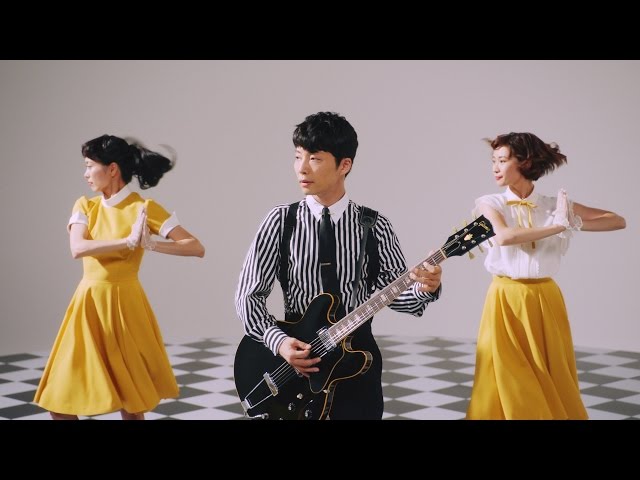
The last genius artist of the Heisei era appeared out of nowhere.
In fact, Gen Hoshino had already been active in various fields, starting with film directing, even before his major-label debut.
That’s why his current major debut surprised me—not in a bad way, but because of the clear, pure voice and distinctive singing style that emerge from his unassuming appearance.
With Koi, he sparked the “Koi Dance” craze, showcasing his creative flair.
He’s a rare talent I’m excited to see thrive in the Reiwa era.
YAH YAH YAHCHAGE and ASKA

In the early Heisei era, the Chage and Aska craze was in full swing.
Their classic hit “YAH YAH YAH” sold 750,000 copies in its first week and went on to become a million seller.
Even today, it remains a beloved karaoke staple—a song that gets people of all ages excited!

CAN YOU CELEBRATE?Amuro Namie

As the songstress of the Heisei era, you simply can’t talk about it without mentioning Namie Amuro.
Her stunning beauty and figure were unmatched.
Her bold fashion sparked the “Amurer” phenomenon, which quickly permeated Heisei-era culture.
Above all, her overwhelming vocal ability, epitomized by “CAN YOU CELEBRATE?”, set her apart.
Until her retirement on September 16, 2018, her vocals and physique never declined—she was a rare talent.
I believe Namie Amuro’s songs will continue to resonate even in the Reiwa era.
U.S.A.DA PUMP
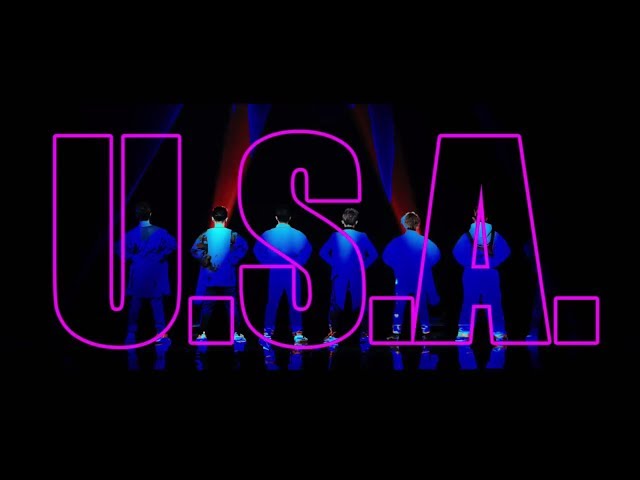
DA PUMP covered Italian singer Joe Yellow’s song “U.S.A.” and it became a massive hit.
For a while, you could hear it everywhere in town, and lots of people were doing the dance.
Many probably chose this song as entertainment at their weddings.
It was such a nationwide smash that it even spawned the buzzword “dasa-kakkoii” (so uncool it’s cool).
Heisei era masterpieces. Hit songs that defined the Heisei period (21–30)
LOVE LOVE LOVEDREAMS COME TRUE

Starting with an arresting call, this piece earnestly depicts a love hidden deep in the heart—so close to being spoken, yet left unsaid.
The words woven by Miwa Yoshida truly seep into the listener’s soul.
Released in July 1995 as DREAMS COME TRUE’s 18th single, it became a massive hit, selling over two million copies as the theme song for the drama “Tell Me You Love Me.” With its relaxed tempo and minimal leaps in pitch, it’s a comforting choice even for those who aren’t confident singers.
Because it’s a song known across generations, picking it at karaoke with coworkers or friends is sure to create a warm moment where everyone hums along together.