

Heisei-era masterpieces. Hit songs that represent the Heisei period.

The Heisei era, which lasted 31 years from 1989 to 2019.
From the 1990s—the golden age of J-POP that began at the end of the Showa era—through the 2010s, when listening habits changed and new artists emerged one after another, countless hit songs were born!
In this article, we’ll introduce the classics that have been loved for many years as well as memorable hits from the later Heisei years—songs that colored the Heisei era.
It’s a wonderful playlist full of nostalgic tracks that will bring back memories just by listening.
Be sure to check out these masterpieces that should be passed down in the Reiwa era and beyond!
- Heisei Song Collection: Iconic Hits That Colored the ’90s and 2000s
- All big hits! A roundup of classic J‑Pop songs that were popular in 2000
- Emotional songs from the Heisei era. Nostalgic tracks that really hit you.
- Cool songs of the Heisei era. Hit tracks that energized the times.
- Songs from the Heisei retro era that will get any generation excited! Timeless tracks you’ll want to listen to now.
- [Heisei Love Songs] A carefully selected collection of gem-like love songs that continue to be cherished even in the Reiwa era!
- A Must-See for the Heisei Generation: Nostalgic Songs That Were Popular in the Heisei Era
- [Japanese Music] Masterpieces of 2000s Pop: A roundup of hit songs from 00s J-POP
- Old songs from the Showa to Heisei eras: a collection of timeless classics loved across generations
- [Heisei Songs] Classic hits from the Heisei era that are popular on Instagram Reels
- A revival hit driven by social media! Heisei-era masterpieces that are resonating with Gen Z today
- Heisei-era graduation songs roundup: iconic youth anthems from the ’90s to the 2010s
- Love songs that were hits in the 2000s. Classic and popular Japanese songs.
Heisei-era masterpieces. Hit songs that represent the Heisei period (51–60)
Everythingarashi

Arashi’s 27th single, released in July 2009.
It’s crafted as a summer song where freshness intersects with poignancy.
The lyrics carry a message about believing in tomorrow and continuing to move forward, portraying a protagonist who keeps facing ahead even when tempted to stop—there’s a warmth that gently pushes the listener on.
Chosen as the theme for au’s “A Different Summer from Last Year” commercial, it topped the Oricon weekly singles chart.
With piano and strings riding a four-on-the-floor rhythm to create a sense of speed, it’s a classic that evokes late summer and sunset.
My Girlarashi

Released in November 2009, this song was used as the theme for the TV Asahi drama “My Girl,” starring Masaki Aiba.
Its warm, string-rich sound gently embraces both the regret of unspoken feelings and the resolve to keep believing in the future.
In the music video, the five members are portrayed as brothers, depicting family bonds and the determination to move forward while carrying their past.
The single sold approximately 432,000 copies in its first week, debuting at No.
1 on the Oricon weekly chart.
It’s a highly recommended track for moments when you want to reconnect with the bonds you share with family or loved ones, or when you need a gentle push forward.
If I sing to the sky175R

For 175R, the band that made its name known nationwide from Fukuoka, this second major single—selected as a J-PHONE commercial song—was a pivotal track that put them on the map.
Released in April 2003, it debuted at No.
1 on the Oricon Weekly Chart, following in the footsteps of its predecessor.
It ranked 18th on the year-end chart and became a major hit, selling around 350,000 copies.
The lyrics, written for friends back home, likely call to mind those universal moments of parting and setting off on a new journey.
From start to finish, the driving band sound and SHOGO’s raw, straightforward vocals embody the energy of youth, making it a quintessential example of early-2000s youth punk.
It’s a timeless anthem that cheers on everyone running toward their dreams.
HEROMr.Children
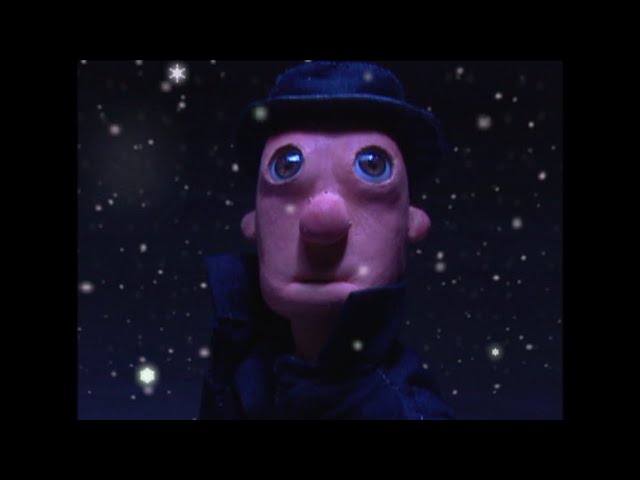
This song, released in December 2002 by Mr.Children—the indispensable four-piece rock band in Japanese music history—is a moving work created right after Kazutoshi Sakurai’s return from a cerebellar infarction.
The lyrics, infused with the desire to be someone’s hero, are full of gentle resolve: not to be a dazzling presence, but to stand by someone important in everyday life.
Chosen as the theme song for the NTT DoCoMo Group’s 10th-anniversary commercial, it became a long-running hit, ranking 9th on the 2003 annual singles chart.
It’s a number to play when you want to reaffirm your feelings for someone important or when you need a nudge forward.
Masterpieces of the Heisei era. Hit songs that represent the Heisei period (61–70)
MelissaPorunogurafiti
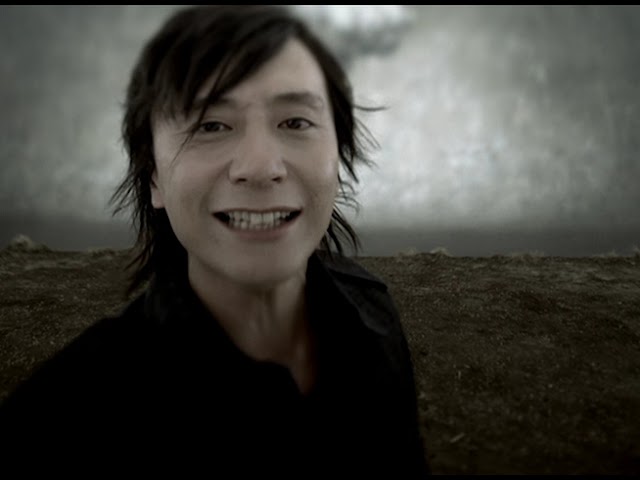
Released in September 2003 as their 12th single, this is one of the signature songs by Porno Graffitti, the rock duo from Hiroshima Prefecture.
It was used as the opening theme for the TV anime Fullmetal Alchemist and is also known for winning Song of the Year at the 18th Japan Gold Disc Awards.
The lyrics, imbued with the will to reclaim what’s been lost and the resolve to move forward while healing a wounded heart, resonate deeply with listeners.
Beginning with a striking bass riff, the song’s high-velocity sound and powerful vocals fuse into an arrangement that’s guaranteed to fire up any karaoke session—a rock number you’ll want to belt out with friends.
Precious thingsroodo obu mejyaa

Released in August 2002, Road of Major’s debut is a youth punk track that straightforwardly sings about the importance of bonds with friends and supporting one another.
It carries a warm message that even in moments when you feel like crying, there’s always someone irreplaceable by your side.
Created by members headhunted through a TV program and written after a 100-day nationwide tour, the song achieved an astonishing record for an indie release: 19 consecutive weeks in the Oricon Top 10, with total sales of about 910,000 copies.
Its fast beat and simple riffs generate a sense of speed, while the gentle, encouraging melody resonates deeply with listeners.
In 2003, it earned 10th place on Oricon’s year-end ranking—a true classic.
sympathetic tearsHitoto Yo

The debut single by singer-songwriter Yo Hitoto, who has a Taiwanese father and a Japanese mother and continued making music in an a cappella club while attending Keio University.
Released in October 2002, the song reached No.
4 on the Oricon charts without a major tie-in and became a long-running hit, staying on the chart for 70 weeks.
The lyrics, which depict how a friend’s tears set off a chain reaction of emotions, are said to have been inspired by a heartbreak she experienced during her university years.
The striking chorus was crafted so that it can be sung universally using only vowels, creating a unique world where an Oriental, R&B-tinged arrangement and her resilient, powerful vocals blend exquisitely.
In 2003, the song earned her the Japan Record Award for Best New Artist and her first appearance on the NHK Kohaku Uta Gassen, making it the track that defined her career as an artist.