

Heisei-era masterpieces. Hit songs that represent the Heisei period.

The Heisei era, which lasted 31 years from 1989 to 2019.
From the 1990s—the golden age of J-POP that began at the end of the Showa era—through the 2010s, when listening habits changed and new artists emerged one after another, countless hit songs were born!
In this article, we’ll introduce the classics that have been loved for many years as well as memorable hits from the later Heisei years—songs that colored the Heisei era.
It’s a wonderful playlist full of nostalgic tracks that will bring back memories just by listening.
Be sure to check out these masterpieces that should be passed down in the Reiwa era and beyond!
- Heisei Song Collection: Iconic Hits That Colored the ’90s and 2000s
- All big hits! A roundup of classic J‑Pop songs that were popular in 2000
- Emotional songs from the Heisei era. Nostalgic tracks that really hit you.
- Cool songs of the Heisei era. Hit tracks that energized the times.
- Songs from the Heisei retro era that will get any generation excited! Timeless tracks you’ll want to listen to now.
- [Heisei Love Songs] A carefully selected collection of gem-like love songs that continue to be cherished even in the Reiwa era!
- A Must-See for the Heisei Generation: Nostalgic Songs That Were Popular in the Heisei Era
- [Japanese Music] Masterpieces of 2000s Pop: A roundup of hit songs from 00s J-POP
- Old songs from the Showa to Heisei eras: a collection of timeless classics loved across generations
- [Heisei Songs] Classic hits from the Heisei era that are popular on Instagram Reels
- A revival hit driven by social media! Heisei-era masterpieces that are resonating with Gen Z today
- Heisei-era graduation songs roundup: iconic youth anthems from the ’90s to the 2010s
- Love songs that were hits in the 2000s. Classic and popular Japanese songs.
Heisei era masterpieces. Hit songs that defined the Heisei period (21–30)
to youMONGOL800

Despite never being released as a single, this signature song by MONGOL800 has been featured in a variety of places, including insert tracks that color a film’s final scene, drama opening themes, and commercials.
In 2001, the album MESSAGE—featuring this track and the well-known classic Chiisana Koi no Uta—was released and became a huge hit, cementing Monpachi’s popularity.
Its straightforward lyrics about love and its fresh, powerful sound give courage and energy to both singers and listeners.
Why not sing it while reminiscing about a page from your youth?
Lion HeartSMAP

A signature SMAP ballad with lyrics by Shinji Nojima, depicting a man’s resolve to protect the one he loves, likened to the figure of a lion.
Released in August 2000 as their 32nd single, it became widely known as the theme song for the drama “Food Fight,” starring SMAP member Tsuyoshi Kusanagi.
The single was a million-selling hit, also noted for featuring the fan-favorite coupling track “Orange.” With its relaxed tempo and minimal drastic pitch changes, it’s approachable even for those not confident in their singing.
If you sing it gently and conversationally over its warm melody, it’s sure to resonate with the listener.
PRIDEImai Miki
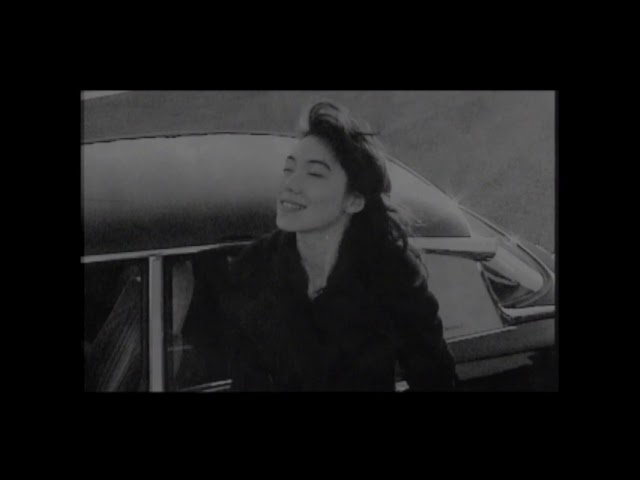
This piece resonates with lyrics that portray deep love for a partner and the will of an independent woman, carried by a warm melody crafted by Tomoyasu Hotei.
You don’t need to belt it out, and the melody moves gently, making it a great choice even for those who aren’t very confident in their singing.
Released in November 1996 as Miki Imai’s 12th single, it also became well known as the theme song for the Fuji TV drama “Doc.” As a tender, soothing ballad, it’s recommended for the latter part of a karaoke session or in a calm setting.
Simply following the melody carefully will make it sound lovely, so consider adding it to your repertoire.
SaraiKayama Yūzō & Tanimura Shinji
A moving ballad featuring two stars who represent the Japanese music scene, Yuzo Kayama and Shinji Tanimura.
The lyrics were written based on viewers’ messages, and the song was created as part of a project to complete it within a 24-hour broadcast.
Released as a single in November 1992, it’s well known as the theme song for Nippon TV’s “24-Hour Television: Love Saves the Earth.” With its relaxed tempo and gentle melodic contours, it allows for easy breathing and is very singer-friendly.
The chorus builds a unifying sense of excitement that brings the audience together—perfect for linking arms and singing along as a group near the end of a karaoke session.
Silent EveKarashima Midori

With the arrival of winter, you can’t help but want to listen to Midori Karashima, whose crystal-clear voice is so captivating.
Her signature song, Silent Eve, was released as a single in November 1990 and became a major hit as the theme song for the TBS drama Christmas Eve.
Its melody rises and falls gently, and the relaxed tempo makes it easier for those who struggle with high notes to sing calmly and let their voices resonate.
If you sing it carefully over the piano’s melody, it will surely leave a warm afterglow in the listener’s heart.
Consider choosing it for moments when you want to create a serene, mature atmosphere.
Feeling great!!mihimaru GT

When you just want to get pumped up for the night, this dance tune is essential! It’s the signature track by the male-female duo mihimaru GT, released in May 2006 as their ninth single.
It was featured in the commercial for Dariya’s “Palty” and as the ending theme for the variety show “Skibara,” becoming a huge hit especially among Heisei-era gals.
The lively beat, rapid-fire rap, and soaring vocals make you forget your everyday frustrations in an instant.
Even if every day isn’t perfect, letting yourself sink into the sound will lift your spirits.
It’s the perfect anthem for those times you want to cut loose with friends on a drive or at karaoke, no explanations needed.
ButterflyKōda Kumi

A dance number sung by Kumi Koda that expresses the strength and beauty of women.
Like a butterfly emerging from a chrysalis and soaring into the sky, the lyrics capture the joy of setting yourself free and living openly.
The sultry vocals and Latin-infused sound make you feel like you’ve become a confident, irresistible woman just by listening.
Released as a single in June 2005, it was used as the theme song for the TBS drama Ai no Gekijo: “Cosme no Mahou 2.” It won the Japan Record Award the same year and became a classic that also contributed to the massive success of her best-of album BEST ~first things~.