

A collection of iconic Heisei-era J-pop hits: Japanese songs that were massive hits in 1994

The Japanese music scene in 1994 was a landmark year when the term “J-POP” began to take root and musical diversity accelerated all at once.
Drama theme songs lit up the charts one after another, and a wide range of classic tracks emerged—from heartrending love songs to upbeat dance numbers.
With karaoke culture at its peak, catchy melodies that everyone could sing along to were released in rapid succession.
In this piece, we’re bringing you a generous selection of hit songs released in 1994! For those who listened in real time back then, they’ll bring back memories; for younger generations, these gems will sound fresh.
Be sure to give them a listen!
- [1995 Hit Songs] Masterpieces of Japanese music that colored the Heisei 7 (1995) music scene
- [Heisei Retro] Hit Japanese songs that defined the 1990s. Recommended J-POP classics.
- Hit Japanese songs from 1993: recommended classics and popular tracks
- Hit Japanese songs of 2004: recommended classics and popular tracks
- Karaoke songs that were hits in the ’90s. Classic and popular tracks from Japanese music.
- [Hit Songs of 1999] A roundup of timeless tracks that dominated the charts!
- Japanese hit songs from 1990. Recommended masterpieces and popular tracks
- Cool songs of the Heisei era. Hit tracks that energized the times.
- Songs that were hits in the Heisei era are so nostalgic. We've carefully selected timeless classics you'll find yourself humming.
- A collection of nostalgic hits from the Heisei era: Let’s look back at iconic songs from the 1990s and 2000s.
- Heisei-era masterpieces. Hit songs that represent the Heisei period.
- Heisei Song Collection: Iconic Hits That Colored the ’90s and 2000s
- [Nostalgic Hits] Popular Japanese dance music songs that were hits in the 1990s
Japanese hits that were big in 1994. A roundup of Heisei J-pop masterpieces (1–10)
Between the Sky and YouNakajima Miyuki

Miyuki Nakajima is a singer-songwriter who holds the remarkable record of topping the singles chart across four different decades, from the 1970s to the 2000s.
Her 31st single, released as a double A-side with “Fight!,” came out in May 1994 as the theme song for the TV drama “Homeless Child,” which starred Yumi Adachi and became a social phenomenon.
Written from the perspective of the dog that appears in the drama, its sentimental story asks what it means to stand by someone rather than simply pity them.
Woven with her trademark powerful vocals, the number evokes scenes from the drama as you listen.
It’s an emotional song that’s sure to draw attention if you sing it at karaoke.
I’m only gazing at you.Daikoku Maki

Released in December 1993, this song marked a major turning point in Maki Ohguro’s career as the first ending theme for the TV Asahi anime SLAM DUNK.
The lyrics, depicting a woman who loses sight of herself by conforming too much to her lover, were written based on a friend’s real experience, and they convey a poignant emotion in contrast to the upbeat melody.
Her powerful vocals over the quintessential Being-style sound captured the hearts of not only anime fans but a wide audience, achieving a million sales in about three months after release.
It ranked eighth on the Oricon year-end chart and recorded an astounding total of approximately 1.236 million copies sold.
For anyone who has felt on the verge of losing their true self in love, this is a song that offers empathy and the courage to move forward.
Hello, my friendMatsutōya Yumi

Coloring the summer of 1994, this song was released as the theme for the Monday 9 p.m.
drama “The Summer I Spent with You,” becoming a million seller that topped the Oricon charts.
Among Yumi Matsutoya’s works, it stands out as a profoundly heartrending masterpiece, depicting the complex emotions of someone who continues to think about a past love while wishing to keep that person in their heart as “just a friend.” The protagonist’s resolve to live positively despite the sadness of parting is something anyone can’t help but empathize with.
Its urbane arrangement, rich in synthesizers, blends exquisitely with a melody line that evokes a sense of nostalgia, making it an easy song to sing at karaoke.
It’s a track I especially recommend to those who, while looking back on a past romance, quietly hold feelings for someone dear.
Japanese hits that were big in 1994. A collection of classic Heisei J-POP songs (11–20)
Longing, poignancy, and strength of heartShinohara Ryoko with t.komuro

Released in July 1994 as a tie-in song for the animated film Street Fighter II: The Movie, this track—written, composed, and arranged by Tetsuya Komuro and released under the name “Ryoko Shinohara with t.komuro”—became a double-million-selling hit.
Its lyrics interweave three emotions—longing, heartache, and inner strength—expressing the deep bond of a protagonist who believes in someone facing hardship and watches over them.
Beginning with a synthesizer-led intro and building emotionally toward the chorus, the structure showcases the signature allure of the TK sound.
Shinohara’s vocals, combining clarity with resilience, deliver a poignant yet uplifting message with power.
It’s a song emblematic of the karaoke boom era, with a catchy melody that lingers in the heart.
Summer is comingDaikoku Maki
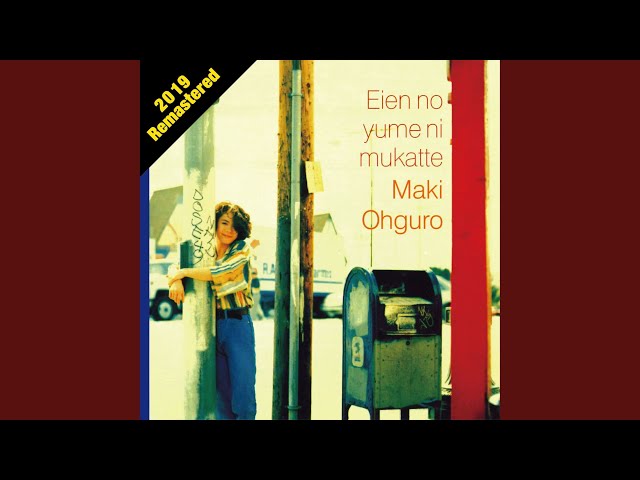
The period around 1992–1995 was truly the heyday of Being, and among Maki Ohguro’s massive hits—she continues to thrive in the 2020s with her down-to-earth lyrics and overwhelmingly soulful vocals—one standout is Natsu ga Kuru, released in April 1994.
With a boldly Latin-influenced sound, the song powerfully belts out frank complaints—seasoned with a touch of self-deprecating humor—against the trend of having a “normal” kind of happiness pushed on you, which surely felt refreshing to many listeners.
It remains a karaoke favorite to this day and sold an impressive 980,000 copies.
survival dAnce~no no cry more~TRF

This is a landmark song by TRF, produced by Tetsuya Komuro, who led the music scene of the 1990s.
It became the group’s first single to top the Oricon Weekly Singles Chart, with total sales reaching approximately 1.376 million copies.
The structure that shifts from a relaxed verse into an energetic chorus is full of charm that sets listeners’ hearts dancing.
YU-KI’s powerful vocals and the catchy melody line are packed with elements that bring everyone together for a lively time at karaoke.
It also drew attention as the theme song for the Fuji TV drama “17-sai -at seventeen-,” and it’s a perfect dance number for driving or party scenes.
I just feel like crying.Nagayama Miho

This is the 28th single by Miho Nakayama—affectionately known as “Miporin”—released in February 1994.
Written specifically as the theme song for the TBS drama “If Wishes Could Come True,” it reached No.
1 on the Oricon Weekly Chart.
With total sales of approximately 1.048 million copies, it became her first million-selling single under her solo name.
The lyrics, which portray the protagonist’s wavering emotions as she watches her friends marry one after another and turns to face her own life, resonated with many listeners.
Featuring a calm arrangement centered on piano and strings, and a superb structure that moves from a conversational A-melody into an outpouring of emotion in the chorus, it stands as a quintessential 1990s J-pop ballad.