

[1995 Hit Songs] Masterpieces of Japanese music that colored the Heisei 7 (1995) music scene

When you think of hit songs from 1995, what tracks come to mind? It was a landmark year when the release of Windows 95 had all of Japan buzzing, and the music scene saw a wave of great songs across diverse genres.
In this article, we’ll introduce the hit songs of 1995—nostalgic for those who spent their youth in that era, and fresh-sounding for those born after.
Even if you didn’t hear them in real time, there are plenty you’ve probably encountered somewhere! Enjoy to the very end.
- [Hit Songs of 1996] Spotlight on the iconic tracks and popular tunes that colored the Heisei era!
- A collection of iconic Heisei-era J-pop hits: Japanese songs that were massive hits in 1994
- Hit Japanese songs that represent 1997. Recommended masterpieces.
- Hit Japanese songs from 1993: recommended classics and popular tracks
- Karaoke songs that were hits in the ’90s. Classic and popular tracks from Japanese music.
- Hit J-Pop songs of 2015. Recommended masterpieces and popular tracks.
- 1990s J-Pop to listen to in summer: classic and hit summer songs
- A 90s girls' band. A popular Japanese band.
- Classic and hit J-pop songs from the nostalgic ’90s
- Hit J-pop songs of 2005. Recommended masterpieces and popular tracks.
- [Heisei Retro] Hit Japanese songs that defined the 1990s. Recommended J-POP classics.
- A coming-of-age song that was a hit in the ’90s. A classic and popular track in Japanese music.
- Songs that were hits in the Heisei era are so nostalgic. We've carefully selected timeless classics you'll find yourself humming.
[1995 Hit Songs] Masterpieces of Japanese Music That Colored the Heisei 7 Music Scene (21–30)
Over DriveJUDY AND MARY

JUDY AND MARY’s 7th single.
It remains a steadfast favorite among fans.
It was used in a Corolla commercial, and about ten years after its release, it was also featured in a Nissin Cup Noodles commercial, making it a representative track familiar to listeners across generations.
Thanks.DREAMS COME TRUE

It’s “Thank You.” by DREAMS COME TRUE.
I heard it was rushed out at the time as a charity song for the Great Hanshin-Awaji Earthquake.
The lyrics are very cute, and it’s such a lovely song that warms your heart when you listen to it.
Even more than 20 years later, it remains a timeless classic.
Captivated by a shimmering momentMANISH

MANISH’s 10th single.
It’s a song famous as a theme for Slam Dunk.
At the time, her vocal style was said to be reminiscent of Maki Ohguro, and Maki Ohguro herself even contributed backing vocals and provided songs.
I used to listen to it a lot because the singing style was cool and it was the theme song of one of my favorite anime, but it seems she’s not active in music anymore.
It’s a bit disappointing, since I always wanted to hear her live at least once.
Tomorrow never KnowsMr.Children
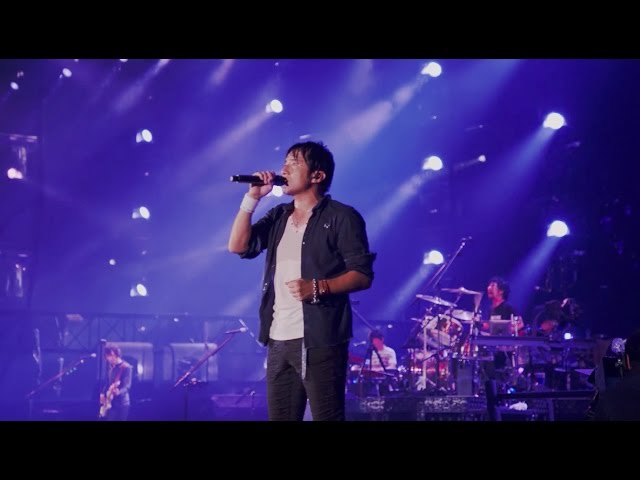
Mr.Children’s 6th single.
This was the first Mr.Children song I ever listened to.
I remember being astonished by how powerful the vocals were.
There are very few Japanese male vocalists who can hit high notes this beautifully, aren’t there?
More, more…Shinohara Ryoko with t.komuro

A song from Ryoko Shinohara’s days as a recording artist, before she became the hugely popular actress she is now.
For many people, the previous single “Itoshisa to Setsunasa to Kokorozuyosa to” probably left a stronger impression than this track.
However, composer Tetsuya Komuro later said he actually preferred this song to the previous one.
Ryoko Shinohara hasn’t sung in public much recently, but wouldn’t it be nice if she could perform again—maybe as part of a TV special or something?
MUSIC FOR THE PEOPLEV6
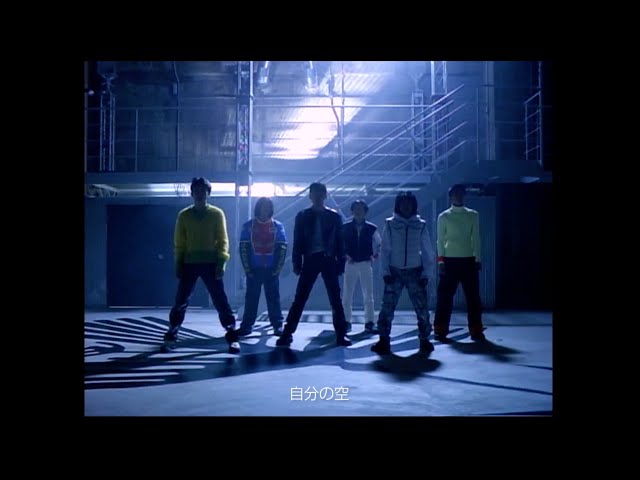
V6’s debut single.
If I recall correctly, it was also used as a cheer song for volleyball.
This track marked the beginning of Johnny’s groups taking on the role of performing volleyball cheer songs.
In fact, the song was composed by Eurobeat musician Dave Rodgers, with lyrics by none other than Yasushi Akimoto.
Man, I used to watch ‘Gakkō e Ikō!’ all the time.
I can’t stay a daydreaming girlAikawa Nanase

This is Nanase Aikawa’s debut single, shocking with its razor-sharp intro guitar riff and a powerful shout you’d never expect from such a petite frame.
You can really feel the searing resolve: she refuses to be someone who just keeps dreaming sweet dreams.
The way she sings of the ache of longing for love while vowing to charge through reality without fear of getting hurt must have made a striking impact on the music scene at the time.
Released in November 1995, the song was used as the ending theme for the Fuji TV drama “V no Honō” (Flame of V).
Her first album Red, which includes this track, became a massive hit, selling over 2.45 million copies.
If you’re wishing to break through the status quo and become stronger, listening to it might give you a powerful push forward.