

[Hit Songs of 1999] A roundup of timeless tracks that dominated the charts!

1999 was a turning point that brought various changes to Japan’s music scene.
The achievements of female artists in particular were remarkable, and across a wide range of genres—from J-pop to rock to ballads—many classic songs were born.
The numerous hits from 1999, whose appeal remains undiminished even today, continue to have a major influence on contemporary artists.
In this article, we’ll introduce hit songs released in 1999.
Immerse yourself and enjoy the sound where nostalgia and freshness coexist!
- [Heisei Retro] Hit Japanese songs that defined the 1990s. Recommended J-POP classics.
- [1998 Japanese Hit Songs] A roundup of timeless classics that still live on in people’s memories!
- Japanese Music of the 2000s: Revival Included! A J-POP Hit Song Special
- Hit Japanese songs that represent 1997. Recommended masterpieces.
- Heisei-era masterpieces revisited through the hit songs of 2001
- [Hit Songs of 1996] Spotlight on the iconic tracks and popular tunes that colored the Heisei era!
- Iconic ballads of 90s J-pop: nostalgic mega-hits and fan favorites
- 2003 J-Pop hit songs special: the golden age of music when diversity blossomed
- A collection of nostalgic hits from the Heisei era: Let’s look back at iconic songs from the 1990s and 2000s.
- Cool songs of the Heisei era. Hit tracks that energized the times.
- Anime songs that were hits in the 1990s. Recommended masterpieces and popular tracks.
- Nostalgic Yet Everlasting: Classic Hits by 1990s Idol Singers
- A coming-of-age song that was a hit in the ’90s. A classic and popular track in Japanese music.
[Hit Songs of 1999] A Showcase of the Classics That Dominated the Charts! (51–60)
rainbowkururi

According to guitarist and vocalist Shigeru Kishida, this is “a song that symbolizes Quruli,” and one that most strongly captures their essence.
It was used as the theme song for TVK’s “Mutoma JAPAN” and as the ending theme for TV Tokyo’s “JAPAN COUNTDOWN.” It’s a track that makes the flow of time feel slower—one you can listen to calmly and from the heart.
Eat bread and honey.Kuramubon

This is Clammbon’s second single and their signature song, which marked their first appearance on the Oricon charts.
With a comfortable mid-tempo groove that you can feel throughout your body, the sound blends seamlessly with keyboardist-vocalist Ikuko Harada’s gentle voice, resulting in a soothing mid-tempo track.
hometownMōningu Musume.

It’s a mellow song by Morning Musume, who were at the peak of their popularity at the time.
The girls—so pure and sweet, like they’d just come from their hometowns—sing gently, and it’s the kind of track that might make you melt.
I bet it made everyone’s hearts skip a beat back then.
AutomaticUtada Hikaru
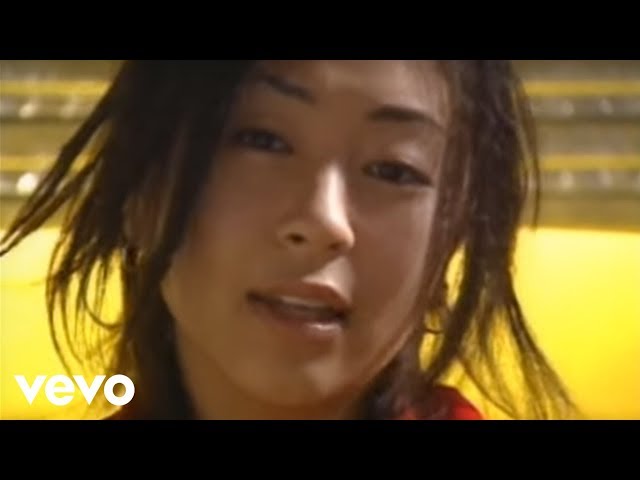
From Hikaru Utada’s debut single, this is “Automatic.” At just 15 years old, Hikaru Utada became an instant sensation with this song, and it’s said that she wrote both the lyrics and the music herself.
It debuted at No.
4 on the Oricon Singles Chart, marking the true beginning of her rise.
After going on hiatus in 2010, she has gradually begun resuming activities, and it seems she will be performing the theme song for a morning drama series in April.
[Hit Songs of 1999] A Roundup of Chart-Topping Classics! (61–70)
Kiss me here.Shiina Ringo

This is a heartrending love song in which Ringo Sheena sings, over a carefully crafted sound, about her strong, straightforward feelings for a man she dated while living in Fukuoka.
It was also selected as the ending theme for Yomiuri TV/Nippon TV’s ‘Downtown DX,’ and it became a major hit, leading to her first appearance on TV Asahi’s ‘Music Station.’ The song continued to have a significant impact on the music scene, with artists such as Tsuyoshi Domoto covering it.
Hungry SpiderMakihara Noriyuki

Noriyuki Makihara’s 22nd single was also used as the theme song for the drama “Labyrinth.” Because the drama dealt with very heavy subject matter and the production requested a song that matched that atmosphere, this track ended up with a somewhat mysterious, dark vibe as well.
Be TogetherSuzuki Ami

This is one of Ami Suzuki’s signature songs.
Isn’t it a track that everyone has heard at least once? Her very fresh, breezy singing voice had the guys of the time utterly smitten and swooning.
The melody and so on are also catchy and feel great.