


Japanese Music of the 2000s: Revival Included! A J-POP Hit Song Special

The 2000s marked a major turning point for Japan’s music scene.
While CD sales were strong, ringtones and digital distribution also began to spread.
Superstar icons like Ayumi Hamasaki, Hikaru Utada, and Masaharu Fukuyama commanded overwhelming presence, while a new generation of artists such as ORANGE RANGE and GReeeeN emerged one after another.
In recent years, classic Heisei-era hits have been rediscovered through social media, capturing the hearts of a new generation.
This time, we look back on the gem-like hit songs that colored the 2000s.
Japanese Music of the 2000s: Revival Hits Too! J-POP Hit Songs Special (1–10)
budKobukuro
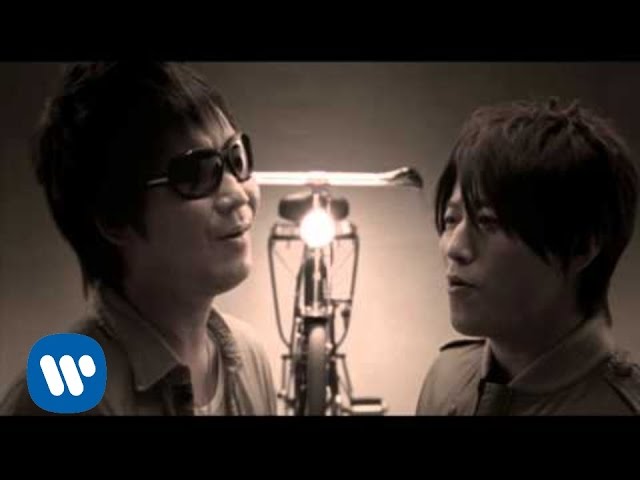
Kobukuro is a musical duo formed after a chance meeting during a street performance.
Their 14th single, released in March 2007, was written as the theme song for the drama “Tokyo Tower: Mom and Me, and Sometimes Dad,” and went on to win the 49th Japan Record Award that same year.
The song is also known for expressing member Kentaro Kobuchi’s feelings for his late mother, conveying profound love and the aching sorrow of parting.
Beginning with the gentle tones of an acoustic guitar, the intro and the duo’s interwoven vocals spin out emotions like a story.
It’s a gem of a ballad to listen to quietly when you want to reaffirm the bond with someone dear.
MiracleGReeeeN

It became a massive hit as the theme song for the youth drama ROOKIES, which follows a high school baseball team’s struggles.
This song is a straightforward love ballad that calls the encounter with an irreplaceable person a “miracle” and celebrates the journey you’ve walked together as a “trail of memories.” Its unadorned words convey a love so deep that mere expressions of gratitude can’t capture it, resonating with listeners’ hearts.
Released by GReeeeN in May 2008, the song—boosted by the drama’s popularity—became one of the year’s defining tracks.
In 2017, the film Kiseki: Sobito of That Day, which portrays the song’s origin story, was released, and it has since become a coming-of-age anthem beloved across generations.
It’s a timeless classic that feels like a song cheering on life—one you’ll want to listen to when you want to reaffirm your feelings for someone important.
Can You Keep A Secret?Utada Hikaru

Should I keep hiding these feelings of “love” as they are, or what should I do? This song by Hikaru Utada skillfully portrays a thrilling emotional state reminiscent of the push-and-pull of romance.
Released in February 2001, it was used as the theme song for the smash-hit drama “HERO” starring Takuya Kimura.
The single became the first million-seller of the 21st century and was later included on the acclaimed album “Distance.” Set to an R&B-inflected groove, the lyrics depict a precarious sense of distance with someone sharing a secret, hinting at the depth of her talent even as a teenager at the time.
It resonates when you want to feel the fluttering excitement of new love or the bittersweet frustration of a slightly more grown-up romance.
I’ll be by your side.Aoyama Teruma ft. SoulJa

A single by Thelma Aoyama feat.
SoulJa, created as an answer song to hip-hop musician SoulJa’s single “Koko ni Iru yo feat.
Thelma Aoyama.” Released in January 2008, the song beautifully portrays the delicate emotions of a woman in a long-distance relationship—her loneliness from not being able to meet and the urge to run from her anxieties.
The arrangement layers Thelma Aoyama’s soulful vocals with SoulJa’s cool rap, making it a track you’ll want to sing with friends at karaoke.
It’s also known for being certified by Guinness World Records as the best-selling “Chaku-Uta Full” song in Japan at the time.
An emotional number that lets you fully relish Thelma Aoyama’s voice, now also a familiar presence on variety shows.
StoryAI

Singer-songwriter AI, born in Los Angeles, captivates audiences with a powerful voice honed through gospel.
The lead single from her May 2005 album “Mic-a-holic Ai” is known as an enduring masterpiece of a ballad that brought her name to widespread recognition.
Opening with beautiful piano tones, the song gently stays close to the listener’s heart and delivers a strong message that you are not alone.
Its outstanding lyrics spread into households through radio and other media, and in 2014 it drew renewed attention when it was selected as the Japanese ending theme for the film Big Hero 6.
It’s a defining song of the 2000s that helps us reaffirm our bonds with the people we cherish.
FlowerORANGE RANGE

ORANGE RANGE is a rock band with a three-vocalist lineup, each with a different vocal range, captivating fans with their wide expressive palette.
Released in October 2004 as their eighth single, this song became a major hit as the theme for the film “Be with You.” It sings of a universal love directed not only toward a lover but also toward irreplaceable people like family and friends, with heartfelt lyrics that resonated with many.
Layers of strings over a wistful melody create an emotionally stirring ballad worthy of the catchphrase “the version of RANGE that makes you cry.” It topped the Oricon Weekly Chart for a total of four weeks and was also included on the acclaimed album “musiQ.” Listening to it while thinking of someone dear brings a gentle warmth, as if your heart is being softly embraced.
The One and Only Flower in the WorldSMAP

Even after their breakup, calls for a reunion remain strong, and the five-member idol group SMAP is becoming legendary thanks to their immense popularity.
One of their songs was used as the theme for the TV drama “Boku no Ikiru Michi,” starring group member Tsuyoshi Kusanagi, and it became a massive hit, selling over 3 million copies in total.
It’s also well known for being written by singer-songwriter Noriyuki Makihara.
In a world that tends to rank and compare everything, the lyrics—encouraging the uniqueness only you possess—lightened the hearts of many listeners and resonated widely.
With gentle words and a warm melody that quietly soothe wounded, troubled feelings, it is a masterpiece that has etched its name in J-POP history.