

Japanese Music of the 2000s: Revival Included! A J-POP Hit Song Special

The 2000s marked a major turning point for Japan’s music scene.
While CD sales were strong, ringtones and digital distribution also began to spread.
Superstar icons like Ayumi Hamasaki, Hikaru Utada, and Masaharu Fukuyama commanded overwhelming presence, while a new generation of artists such as ORANGE RANGE and GReeeeN emerged one after another.
In recent years, classic Heisei-era hits have been rediscovered through social media, capturing the hearts of a new generation.
This time, we look back on the gem-like hit songs that colored the 2000s.
- All big hits! A roundup of classic J‑Pop songs that were popular in 2000
- 2000s Japanese Hits | Unforgettable Once You Hear Them! Exquisite Masterpieces
- Heisei-era masterpieces revisited through the hit songs of 2001
- [Heisei Retro] Hit Japanese songs that defined the 1990s. Recommended J-POP classics.
- Iconic ballads of 90s J-pop: nostalgic mega-hits and fan favorites
- Hit J-Pop songs from 2002. Recommended classics and popular tracks.
- [2013 Japanese Hit Songs] Masterpieces that Colored the Ama-chan Boom, Group Popularity, and the Band Scene
- Hit J-Pop songs of 2008: recommended masterpieces and popular tracks
- Girls’ rock: female vocal bands that were active in the 2000s
- [Heisei Songs] Classic hits from the Heisei era that are popular on Instagram Reels
- 2003 J-Pop hit songs special: the golden age of music when diversity blossomed
- Hit J-pop songs of 2005. Recommended masterpieces and popular tracks.
- Heisei-era masterpieces. Hit songs that represent the Heisei period.
Japanese Music of the 2000s: Revival Hits Too! J-POP Hit Songs Special (1–10)
cherry blossomKetsumeishi

Throughout the history of J-POP, many artists have released songs themed around “sakura,” and this work, released by Ketsumeishi in February 2005, is one of the most iconic.
Although they are a hip-hop group, their style—blending catchy, singable melodies with emotionally resonant rap—won support from a wide audience.
The lyrics depict memories of a lover who is no longer here, evoked by the sight of cherry blossoms fluttering in the wind.
Even though the scenery remains unchanged, the absence of a loved one creates a sense of loss that tightens the listener’s chest.
Despite having no tie-in, this massive hit sold about 210,000 copies in its first week, and its drama-style music video starring Masato Hagiwara and Emi Suzuki further deepens the song’s world.
It’s also perfect as a BGM for a spring drive when you’re feeling a bit nostalgic about the past.
Close your eyesHirai Ken

Singer-songwriter Ken Hirai captivates listeners with his deep, resonant voice.
This work poignantly yet purely sings of love—bearing the sense of loss after losing a loved one, yet being able to meet them in your heart whenever you close your eyes.
The lingering traces of absence in everyday life intersect with warm memories of the past, evoking a tightness in the chest.
Released in April 2004 as his 20th single, the song was written as the theme for the film “Crying Out Love, in the Center of the World” and became a million-selling smash hit.
It is a gem of a ballad that stirs the heart—perfect for nights when you want to immerse yourself in memories of someone precious or quietly let the tears fall.
crescent moonayaka

Ayaka’s fourth single, released in September 2006.
A love ballad that captures the heartache of a long-distance relationship, it remains a beloved classic for many.
Even when apart, looking up at the same sky connects their hearts, and the resolve to keep moving forward despite loneliness deeply resonates with listeners.
It’s said the song reflects Ayaka’s own feelings when she moved to Tokyo, and that genuine emotion adds depth to her vocals.
It was featured in an au “LISMO” commercial and as a theme song for an NHK program, and it earned her the Best New Artist award at the 48th Japan Record Awards.
It’s a sentimental number you’ll want to listen to alone on nights when you can’t see someone dear to you.
[2000s Japanese Music] Revival, too! J-POP Hit Songs Special (11–20)
GibbsShiina Ringo
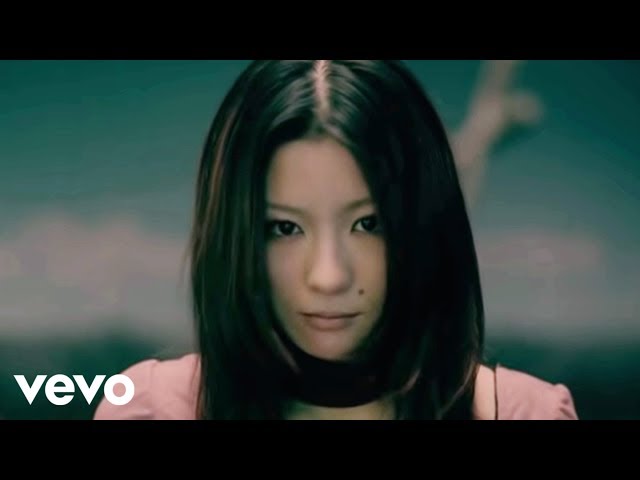
This song is a poignant ballad that Shiina Ringo wrote for the man she was dating at the time, and its straightforward lyrics resonated with many fans regardless of gender.
The music video is also very striking, with Ringo looking straight at the camera as she sings.
Love, Day After TomorrowKuraki Mai

The year 2000 turned out to be a breakthrough year for major female artists.
Leading the way was this person.
Her gentle singing voice captivated men and resonated with women as well, ultimately placing her fourth in the annual rankings with sales reaching 1.38 million copies.
SakurazakaFukuyama Masaharu

Haven’t we all heard this song at least once? When it became a hit, “Sakurazaka” in Ota Ward, Tokyo—also the model for the song’s title—grew popular as a dating spot.
Fukuyama reportedly had long planned to someday turn this slope into a song.
It’s a well-known classic that you’ll want to listen to when the cherry blossoms are in bloom.
sign; mark; symbol; omenMr.Children

This is a signature ballad by Mr.Children, featuring an inspiring ensemble that unfolds from a quiet piano melody into grand strings.
Its universal lyrics can be heard as either a song of meeting or parting, gently accompanying each listener’s personal story.
Released in November 2006, it was used as the theme song for the drama “14-Year-Old Mother,” which became a social phenomenon.
Many were surely moved by its melody and Sakurai’s passionate vocals.
With total sales exceeding 740,000 copies, it’s truly a love song that symbolizes the 2000s, reminding us of the bonds we share with those we hold dear.