

2003 J-Pop hit songs special: the golden age of music when diversity blossomed

The year 2003 was a memorable one in Japan’s music scene, marked by the emergence of numerous timeless hits.
SMAP’s “The Only Flower in the World” became a social phenomenon, achieving massive success and being hummed by people of all ages.
Naotaro Moriyama’s “Sakura” and Mika Nakashima’s “Yuki no Hana,” among other enduring masterpieces, kept the charts lively throughout the year.
It was also notable for the rise of bands delivering youth anthems and for hits that remain beloved choices at karaoke to this day.
In this article, we’ll focus on the hit songs of 2003.
- Hit Japanese songs of 2004: recommended classics and popular tracks
- Girls’ rock: female vocal bands that were active in the 2000s
- Hit J-Pop songs of 2008: recommended masterpieces and popular tracks
- Hit J-Pop songs of 2015. Recommended masterpieces and popular tracks.
- Male Singer-Songwriters of the 2000s: Popular Song Ranking [2026]
- 2000s Japanese Hits | Unforgettable Once You Hear Them! Exquisite Masterpieces
- 2000s: A Collection of Hit Karaoke Classics
- Masterpieces that colored the spring of the Heisei era, including popular cherry blossom songs.
- Hit J-Pop songs of 2007: the appeal of hit tracks that exude a positive vibe
- Heisei-era masterpieces. Hit songs that represent the Heisei period.
- An energizing song that was a hit in the 2000s—a classic that gives you strength.
- Winter songs that were hits in the 2000s. Classic winter anthems that never lose their shine.
- [2013 Japanese Hit Songs] Masterpieces that Colored the Ama-chan Boom, Group Popularity, and the Band Scene
Feature: 2003 Japanese Hit Songs. The golden age of music when diversity blossomed (1–10)
If I sing to the sky175R

For 175R, the band that made its name known nationwide from Fukuoka, this second major single—selected as a J-PHONE commercial song—was a pivotal track that put them on the map.
Released in April 2003, it debuted at No.
1 on the Oricon Weekly Chart, following in the footsteps of its predecessor.
It ranked 18th on the year-end chart and became a major hit, selling around 350,000 copies.
The lyrics, written for friends back home, likely call to mind those universal moments of parting and setting off on a new journey.
From start to finish, the driving band sound and SHOGO’s raw, straightforward vocals embody the energy of youth, making it a quintessential example of early-2000s youth punk.
It’s a timeless anthem that cheers on everyone running toward their dreams.
TogetherEXILE

A ballad released in May 2003 by EXILE, who had established their own style as a dance and vocal group.
Its heartfelt message—about the wish to walk through shining days together and the bonds with someone special—resonates deeply.
The gentle, uplifting lyrics are warmly delivered through the soaring vocals of ATSUSHI and SHUN, and the karaoke-friendly structure earned strong support from many listeners.
The song was used as the theme for the TBS drama “Hotman” and reached No.
2 on the Oricon weekly chart.
It is also known for winning the Gold Award at the Japan Record Awards, making it a track that symbolizes EXILE’s early musical identity.
Why not give it a listen when you want to feel a connection with someone important?
HEROMr.Children
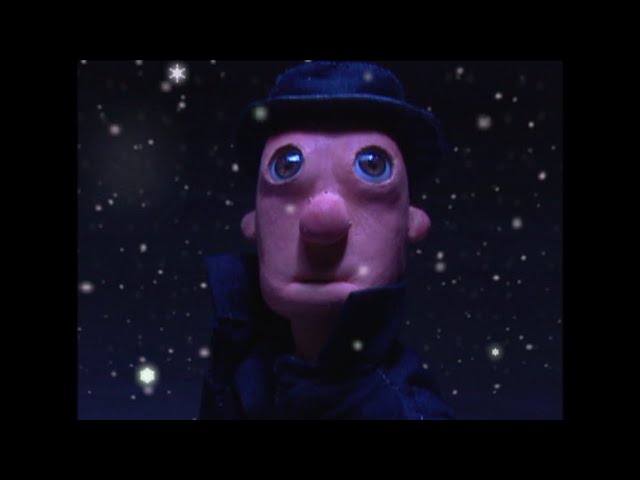
This song, released in December 2002 by Mr.Children—the indispensable four-piece rock band in Japanese music history—is a moving work created right after Kazutoshi Sakurai’s return from a cerebellar infarction.
The lyrics, infused with the desire to be someone’s hero, are full of gentle resolve: not to be a dazzling presence, but to stand by someone important in everyday life.
Chosen as the theme song for the NTT DoCoMo Group’s 10th-anniversary commercial, it became a long-running hit, ranking 9th on the 2003 annual singles chart.
It’s a number to play when you want to reaffirm your feelings for someone important or when you need a nudge forward.
2003 Japanese Music Hit Songs Special: The Golden Age of Music When Diversity Flourished (11–20)
MelissaPorunogurafiti
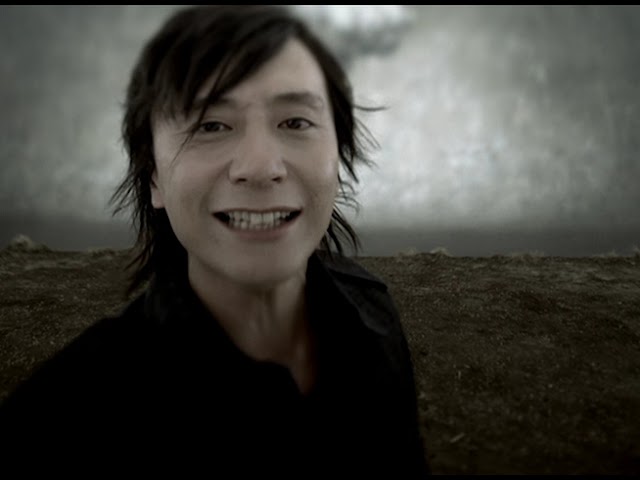
Released in September 2003 as their 12th single, this is one of the signature songs by Porno Graffitti, the rock duo from Hiroshima Prefecture.
It was used as the opening theme for the TV anime Fullmetal Alchemist and is also known for winning Song of the Year at the 18th Japan Gold Disc Awards.
The lyrics, imbued with the will to reclaim what’s been lost and the resolve to move forward while healing a wounded heart, resonate deeply with listeners.
Beginning with a striking bass riff, the song’s high-velocity sound and powerful vocals fuse into an arrangement that’s guaranteed to fire up any karaoke session—a rock number you’ll want to belt out with friends.
Tears Flowing EndlesslyNatsukawa Rimi

A gemlike ballad that weaves feelings for the departed with deep gratitude, carrying the breeze of Okinawa.
Covered by Rimi Natsukawa in 2001, this song is originally a masterpiece that fuses lyrics Ryoko Moriyama wrote for her older brother who passed away at a young age with a moving melody composed by BEGIN.
Carried by the sound of the sanshin, it holds a prayer for a beloved presence that lives on in memories.
It won the Gold Award at the 44th Japan Record Awards in 2002 and achieved an astonishing long-running hit, staying on the Oricon charts for 116 consecutive weeks.
It was also used as the theme song for the 2006 film “Nada Sou Sou,” and continues to bring comfort to many hearts.
When you think of someone dear, when you want to let quiet tears fall, the song’s clear, pure vocals will gently enfold you.
sailing dayBUMP OF CHICKEN

Released in March 2003 by BUMP OF CHICKEN as a double A-side single with “Lost Man,” this track was selected as the ending theme for the film “ONE PIECE THE MOVIE: Dead End no Bōken” (Dead End Adventure).
As fans of the series themselves, the band crafted a high-velocity rock tune infused with motifs of adventure and setting sail.
The lyrics, which sing of the will to face destiny and the resolve to keep chasing one’s dreams, deeply resonated with young listeners at the time.
Peaking at No.
2 on the Oricon Weekly Chart and later included on the album “Yggdrasil,” it has become one of their signature songs and a staple that unites fans at live shows.
It’s a highly recommended track for anyone about to take a new step forward.
COLORSUtada Hikaru

Utada Hikaru’s 12th single, released on January 29, 2003.
The melody is striking, featuring elements of both traditional Japanese and electronic music throughout, starting from the intro.
Interestingly, in live performances and on TV, it’s sung one key lower; at the time of recording, the key was raised to align with others’ opinions.
After this song’s release, she took a one-year hiatus, but the track left a uniquely Utada-like, memorable impact.