

[Hymns] Famous hymns and sacred songs. Recommended hymns and sacred songs.


Hymns and sacred songs beloved around the world.
Hymns and sacred songs are known as songs that praise the Christian God, but in Japan—where many people are Buddhist—their recognition is by no means high.
There are many excellent pieces, but the difficulty is that they can be hard to find.
This time, we’ve picked out some famous works among hymns and sacred songs.
We also explain in detail the background of each piece and the meaning of the lyrics, so even those without prior knowledge of hymns and sacred songs can enjoy it.
How about soothing a heart worn down by daily stress with hymns and sacred songs?
Please sit back and enjoy!
- Famous German Folk Songs | That familiar tune in Japan was actually a German folk song?!
- Japanese gospel: recommended Japanese songs with a gospel-like style
- Gospel singers of the world. Masterpieces of gospel music, recommended popular songs.
- [Irish Folk Songs] Surprisingly Familiar Masterpieces and Standards of Ethnic Music
- Practice songs for gospel beginners
- A cappella masterpieces: Recommended songs where beautiful harmonies shine (Western and Japanese music)
- The magnificent world of vocal artistry: a special feature on popular vocal works from opera to art songs.
- Famous Western songs everyone knows: a roundup of classic tunes you’ve heard somewhere before
- [Celtic Music] Masterpieces of Celtic music. Recommended Irish music
- [Chorale] Masterpieces of chorales. Recommended popular pieces.
- [Western Music] Bluegrass masterpieces: recommended popular and signature songs
- Sunday songs of Western music: world classics and popular hits
- Ranking of popular songs by Libera, a British soprano unit
[Hymns] Famous hymns and sacred songs. Recommended hymns and sacred songs (61–70)
All Beautiful the March of DaysMac Frampton

This is a hymn written by Mac Frampton in 1984.
A hymn is, in the first place, a song of praise to the Christian God or saints, created as a song of faith that ordinary people can sing in church.
Many hymns are encouraging, easy to listen to, or soulful, which may explain their popularity.
As the title “Beautiful March Day” suggests, it sings of the joy and excitement of winter ending and a new season—spring—arriving.
The light, lively rhythm of the piano expresses the feeling of spring!
Joyful JoyfulLauryn Hill

The song performed in the final scene of the film “Sister Act 2,” which sparked a gospel boom in Japan, is “Joyful, Joyful,” led by Lauryn Hill, who later became famous in the hip-hop world as the vocalist of the Fugees.
It’s a hymn that uses the melody from the fourth movement of Beethoven’s Symphony No.
9, and the movie features a further arranged version.
The lyrics, which thank God for His love and praise His presence, combine with the powerful voices of the choir to create a dynamic sound.
If you’re interested in hymns or gospel music, “Sister Act 2” is a must-see!

Oh, the joy of living in the name of GodJohann Hermann Schein
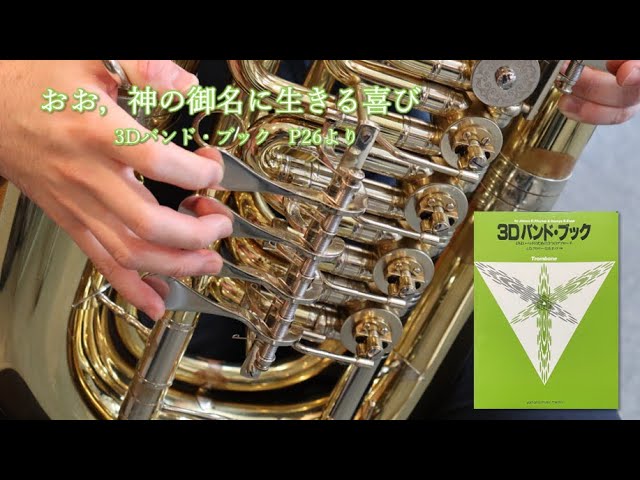
A solemn chorale by the German composer—and poet—Johann Hermann Schein.
Schein served as Kapellmeister at Leipzig’s St.
Thomas Church, a post later held by Bach.
This work is included in the 1627 hymnal he compiled, Cantional oder Gesangbuch Augsburgischer Confession.
The lyrics overflow with praise for God and the joy of living in faith.
His text painting is superb, creating a sense of unity as if the words of prayer themselves have become the melody.
Listening to the majestic harmonies is cleansing, leaving you with a pure and peaceful feeling.
It’s a perfect piece for stepping away from a busy daily life and quietly turning inward.
Lord, from the depths of the abyssJ.S.Bach

This is a majestic work that turns a soul’s urgent cry, echoing from the depths of profound anguish, into music.
It is a church cantata by Johann Sebastian Bach, known as the father of music, premiered in Leipzig in October 1724.
Based on a hymn by Martin Luther, the piece explores the deep themes of confessing sin and the hope for forgiveness.
The four trombones doubling the choir create a weighty sonority that sets a solemn atmosphere and profoundly moves the listener.
This work is recommended for times when your heart feels heavy or on quiet nights when you want to face yourself.
Its powerful progression, which seems to find a sure light beyond suffering, gives you the courage to step forward into tomorrow.
Shine Jesus ShineGraham Kendrick

Composed in 1987, this is a Christian praise song known in Japan as “Shine, Jesus, Shine.” The lyrics and vocals for this pop-styled, grandly arranged piece are by Graham Kendrick, a Christian singer-songwriter and worship leader.
As the son of a Baptist pastor, he feels almost as if he were born to become exactly this kind of singer.
Oratorio Judas Maccabaeus, Act III: See, the Conqu’ring Hero ComesGeorg Friedrich Händel

When you hear “the awards ceremony song,” isn’t this the melody many people think of? This famous tune, beloved in settings ranging from school sports days to many other occasions, was written in the 1740s by the Baroque master George Frideric Handel.
In fact, within the oratorio Judas Maccabaeus, this piece is performed as the people greet a hero returning victorious from battle with jubilant celebration.
Not only does it have a background perfectly suited to award scenes, but its dignified, stately melody impressed even Beethoven, who wrote a set of variations on its theme.
It’s said that Handel originally composed it for a different work, then incorporated it into this piece himself as a confident showpiece.
A song that proclaims the glory of victory in resounding tones—truly a triumphant march worthy of the name.
The beautiful day is overHeinrich Isaac
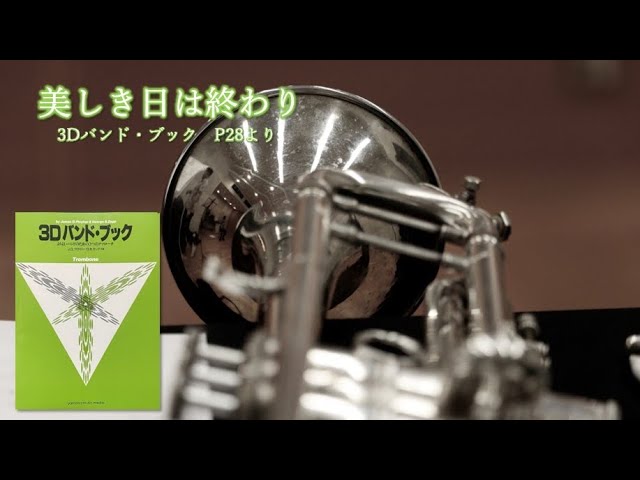
A melody steeped in melancholy that sings of the beauty of days gone by and the poignancy of their end.
This time, we present a work by Heinrich Isaac, a master of Renaissance music.
In the late 15th century, Isaac served as a court composer to Holy Roman Emperor Maximilian I, and alongside his majestic sacred music, he produced numerous secular songs that deeply move the heart.
This piece captivates with its warm harmonies that seem to gently accept the close of happy days and cherish the beauty of the past.
Its calm, slightly sentimental atmosphere offers a character distinct from glittering chorales.
It is a perfect choice for moments of reflection at the end of the day, or for autumn nights when you wish to engage with music at leisure.