


The magnificent world of vocal artistry: a special feature on popular vocal works from opera to art songs.

In vocal music, the singer’s body itself becomes the instrument.
Perhaps many of you haven’t really had the chance to listen to it properly?
Vocal music includes a variety of forms such as opera and art songs, and we’ve gathered some famous pieces we highly recommend even for beginners.
You’ll surely be moved, thinking, “Can such rich expression really come from the human body?”
We also recommend listening while paying attention not only to the melody but also to the lyrics and the story.
The splendid world of the singing voice: A special feature on popular vocal works from opera to art songs (1–10)
“Gypsy Song” from the opera CarmenGeorges Bizet
The opera Carmen is a masterpiece composed by the great French composer Bizet, based on the novel of the same name by Prosper Mérimée.
This “Gypsy Song” is a splendid aria that rivals the popularity of the Habanera (Love Is a Rebellious Bird) and the Toreador Song.
O mio babbino caro from the opera Gianni SchicchiGiacomo Antonio Domenico Michele Secondo Maria Puccini
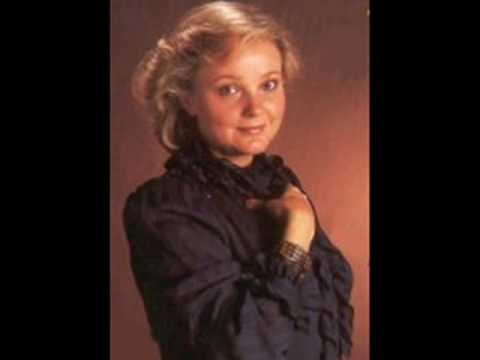
“O mio babbino caro” from the opera Gianni Schicchi.
This opera was composed by Giacomo Puccini.
The soaring aria “O mio babbino caro” is one you’ve probably heard at least once.
It’s a gentle, elegant piece—perfect for a relaxed listen at night.
It makes you want to visit Italy.

Queen of the Night Aria from the opera The Magic FluteWolfgang Amadeus Mozart

The aria “Queen of the Night” from the opera The Magic Flute.
It’s a work by Wolfgang Amadeus Mozart, and the soprano’s high notes are truly stunning.
The distinctive “Ha ha ha ha, ha ha ha ha, ha—” makes it unforgettable once you hear it.
A tremendously powerful “Queen of the Night” aria—just what you’d expect from Mozart.
VocaliseSergei Vasil’evich Rachmaninov

“Vocalise” is a captivating masterpiece renowned for its grand, beautiful melody.
Composed by Rachmaninoff in 1912 as part of his “14 Songs,” Op.
34, it stands out as one of his most popular songs.
A vocalise is a vocal work without lyrics.
“Un bel dì, vedremo” (One Fine Day) from the opera Madama ButterflyGiacomo Antonio Domenico Michele Secondo Maria Puccini

Giacomo Puccini’s work, “Un bel dì vedremo” from the opera Madam Butterfly.
It is an aria sung by the Japanese heroine, Cio-Cio-san, in a kimono.
The high notes are beautifully pure, and her wonderful voice is captivating.
Puccini’s songs are all expansive and magnificent.
“Un bel dì vedremo” is one of his most representative pieces and is beloved by many.
“Habanera (Love Is a Rebellious Bird)” from the opera CarmenGeorges Bizet

Habanera (L’amour est un oiseau rebelle) from the opera Carmen.
It’s a French-language opera composed by Georges Bizet.
No matter when you listen, it’s always a passionate piece.
I’d love to put on a red dress and go see Carmen.
Carmen is an opera I especially recommend to women—you’ll surely come away with plenty of courage and inspiration.
The joy of loveJean Paul Egide Martini

“Plaisir d’amour.” A song composed by Jean-Paul-Égide Martini.
It’s a charming piece that perfectly fits the title, “The Joy of Love.” Though the melody turns a bit sad partway through, that quality makes it all the more appealing.
The piano is lovely as well.
It’s the kind of piece I’d like to listen to on a leisurely afternoon while enjoying a cup of tea.