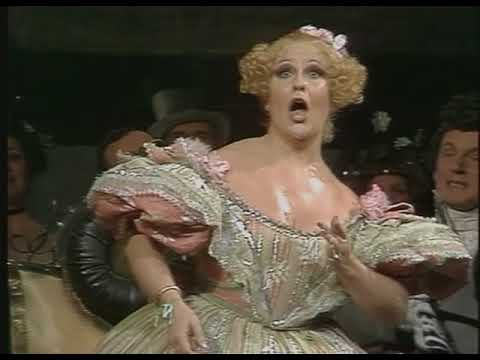
The magnificent world of vocal artistry: a special feature on popular vocal works from opera to art songs.
In vocal music, the singer’s body itself becomes the instrument.
Perhaps many of you haven’t really had the chance to listen to it properly?
Vocal music includes a variety of forms such as opera and art songs, and we’ve gathered some famous pieces we highly recommend even for beginners.
You’ll surely be moved, thinking, “Can such rich expression really come from the human body?”
We also recommend listening while paying attention not only to the melody but also to the lyrics and the story.
- [Hymns] Famous hymns and sacred songs. Recommended hymns and sacred songs.
- The magnificent world of vocal artistry: a special feature on popular vocal works from opera to art songs.
- [2026] Iconic musical numbers: from the latest releases to timeless classics!
- A cappella masterpieces: Recommended songs where beautiful harmonies shine (Western and Japanese music)
- Beautiful high notes that feel so good! Classic Western songs where you can fully enjoy high-tone vocals.
- Famous songs recommended for musical beginners
- [Classical] Masterpieces of oratorios. Recommended classical music.
- Western songs that women like. World classics and popular hits.
- Chanson masterpieces. Recommended popular songs.
- Beautiful, lovely Western music. A roundup of recommended classic songs.
- Famous German folk song | That Japanese tune was actually a German folk song?!
- [Chorale] Masterpieces of chorales. Recommended popular pieces.
- [Classics] Famous waltzes: recommended popular pieces
The magnificent world of vocal music: A special feature on popular vocal pieces from opera to art songs (31–40)
From the opera ‘Andrea Chénier’: ‘La mamma morta’Umberto Giordano

A gifted Italian soprano who, at just 18, won the leading role of Violetta in the opera La Traviata.
In this song, the heroine Maddalena—ruined by the revolution and bereaved of her mother—sings powerfully of her resolve to confront fate and choose to live.
Oratorio “The Apostles,” Op. 49Edward Elgar

An oratorio by the British composer Edward Elgar, also known for works like “Pomp and Circumstance.” Based on the New Testament, it’s a grand piece that runs to about two hours.
Perhaps the real highlight is the vivid psychological portrayal of its characters.
Elgar conveys the emotions of Judas, tormented by guilt, and Mary Magdalene, seeking salvation, using intricate leitmotifs that reflect Wagner’s influence.
You can also revel in the dramatic dynamics unique to orchestra and chorus—complete with the ancient shofar sounding.
Premiered in 1903, the work continues to be highly esteemed; a performance conducted by Sir Mark Elder won at the 2013 BBC Music Magazine Awards.
Highly recommended for those who want to immerse themselves in a richly narrative world of classical music.
Oratorio “The Kingdom of God,” Op. 51Edward Elgar

This is a solemn oratorio by the British composer Edward Elgar, also known for works such as “Pomp and Circumstance.” Premiered in October 1906 under the composer’s own baton, the piece draws on the Acts of the Apostles, portraying the disciples’ prayers and labors through music.
Rather than operatic dramatics, it is characterized by an overall atmosphere that is contemplative and suffused with prayer.
In the scene of the descent of the Holy Spirit, the chorus and orchestra merge to create an overwhelming sonic space, while the Virgin Mary’s aria offers a radiant, beautiful melody that resonates deeply in the heart.
Enveloped in grand harmonies, it is an ideal work for quietly turning inward and reflecting on oneself.
Saint Paul, Op. 36Felix Mendelssohn

A monumental oratorio by Felix Mendelssohn in which grand chorus and orchestra unite to paint the Bible’s dramatic narratives in sound.
Mendelssohn is renowned for reviving Bach’s music, and you can feel his profound reverence for that tradition in this work as well.
The piece traces the spiritual journey of Saul, once a persecutor, as he converts and becomes the Apostle Paul.
The overwhelming power of the chorus is no mere backdrop; at times it embodies the crowd, at others the community of believers, propelling the story with compelling force.
Premiered in May 1836, the work was celebrated as one of the composer’s signature pieces during his lifetime.
It is a masterpiece—ideal for immersing yourself in majestic, narrative-rich music that offers a different flavor from opera.
the four seasonsFranz Joseph Haydn

This is a magnificent oratorio that crowns the later years of Franz Joseph Haydn, known as the “Father of the Symphony.” From the breath of spring to the severity of winter, it vividly depicts the cycle of the seasons and the lives of the people who dwell within them.
The way it uses music to portray natural sounds—like birdsong and the roar of storms—makes it feel as if the scenery is changing right before your eyes.
The anecdote that Haydn composed his first “chorus in praise of labor” in this work also lends it profound depth.
Since its premiere in April 1801, many outstanding performances have been preserved, so if you want to experience the beauty of the seasons through grand music, this is well worth a listen.
The Legend of Saint ElizabethFranz Liszt

Franz Liszt is famous as a wizard of the piano, but did you know he also composed a grand sacred work themed on a saint from his homeland, Hungary? This piece is an oratorio depicting the compassionate life of Princess Elisabeth, who married into the Landgraves of Thuringia.
In fact, the sweeping conception was inspired by a cycle of frescoes in Wartburg Castle.
A prayer motif symbolizing the saint recurs throughout the work, lending the narrative profound spirituality and a strong sense of unity—truly wonderful.
Premiered in August 1865 under Liszt’s own baton, the work can be heard on recordings such as the Hungaroton release conducted by János Ferencsik.
It’s highly recommended when you want to immerse yourself in a moving sound world of majestic chorus and orchestra—quite different from opera.
“Hallelujah Chorus” from the oratorio MessiahGeorg Friedrich Händel

Georg Friedrich Handel, a composer who epitomizes the late Baroque.
His oratorio Messiah remains a masterpiece beloved around the world.
Among its movements, the chorus placed at the end of Part II is nothing short of breathtaking.
Words proclaiming joy surge like waves, and the layers of voices create a soaring elation that seems to reach the heavens.
The work’s divine power is convincing in light of the anecdote that Handel was inspired while composing it.
Since its premiere in April 1742, it has been cherished across eras, and in later years a gospel-style adaptation, Handel’s Messiah: A Soulful Celebration, won a Grammy Award.
It’s the perfect piece when you want your heart to tremble before monumental music.
From Samson HWV 57: ‘Return, O Lord of Hosts’Georg Friedrich Händel

A masterpiece of the oratorio genre by Baroque great George Frideric Handel, Samson.
The piece sung within the drama portrays a hero at the brink of despair and the heartfelt prayers of the people who care for him.
Its chief allure lies in the way an introspective alto solo prayer gradually unfolds into a majestic chorus.
It beautifully expresses a profound supplication to God and the yearning for hope amid hardship.
Acclaimed since its 1743 premiere, the October 1952 recording by the celebrated contralto Kathleen Ferrier is renowned as a historic classic.
Highly recommended for those who love classical music with grand, solemn narratives.
Christmas OratorioHilarion (Alfeyev)

This is a work by Hilarion Alfeyev, a bishop of the Russian Orthodox Church who is also active as a theologian and composer.
The piece is a grand oratorio that portrays the story of Christ’s Nativity under the theme “from darkness to light,” featuring an impressive blend of the Orthodox Church’s solemn choral tradition and a Western narrative musical style.
The harmony woven by a boys’ choir symbolizing the voices of angels and a mixed choir representing people’s prayers deeply stirs the listener’s heart.
The work received its world premiere in Washington, D.C., in December 2007, and parts of it are included on the album “Stabat Mater / Songs of Ascent / Christmas Oratorio.” It is a perfect choice for those who wish to enjoy a sacred, serene atmosphere during the Christmas season, rather than something lively.
St Matthew PassionJ.S.Bach

Composed by Johann Sebastian Bach, a leading figure of Baroque music, this monumental work is hailed as the pinnacle of Passion oratorios.
The majestic architecture of sound woven by the two choirs and orchestra is nothing short of breathtaking.
This piece not only traces the biblical narrative, but also resonates deeply through arias that reveal the characters’ searing emotions and chorales that become the listener’s own prayer.
It is also famous for having been revived by Mendelssohn in 1829, which sparked a major reappraisal of Bach.
There are numerous recordings—most notably Karl Richter’s acclaimed Matthäus-Passion—and it continues to be cherished across generations.
This timeless masterpiece is perfect for surrendering yourself to a grand musical world and immersing in profound emotion.