

The magnificent world of vocal artistry: a special feature on popular vocal works from opera to art songs.

In vocal music, the singer’s body itself becomes the instrument.
Perhaps many of you haven’t really had the chance to listen to it properly?
Vocal music includes a variety of forms such as opera and art songs, and we’ve gathered some famous pieces we highly recommend even for beginners.
You’ll surely be moved, thinking, “Can such rich expression really come from the human body?”
We also recommend listening while paying attention not only to the melody but also to the lyrics and the story.
- [Hymns] Famous hymns and sacred songs. Recommended hymns and sacred songs.
- The magnificent world of vocal artistry: a special feature on popular vocal works from opera to art songs.
- [2026] Iconic musical numbers: from the latest releases to timeless classics!
- A cappella masterpieces: Recommended songs where beautiful harmonies shine (Western and Japanese music)
- Beautiful high notes that feel so good! Classic Western songs where you can fully enjoy high-tone vocals.
- Famous songs recommended for musical beginners
- [Classical] Masterpieces of oratorios. Recommended classical music.
- Western songs that women like. World classics and popular hits.
- Chanson masterpieces. Recommended popular songs.
- Beautiful, lovely Western music. A roundup of recommended classic songs.
- Famous German Folk Songs | That familiar tune in Japan was actually a German folk song?!
- [Chorale] Masterpieces of chorales. Recommended popular pieces.
- [Classics] Famous waltzes: recommended popular pieces
The magnificent world of singing. From opera to art songs: a selection of popular vocal pieces (21–30)
“Caro nome” from the opera RigolettoGiuseppe Fortunino Francesco Verdi
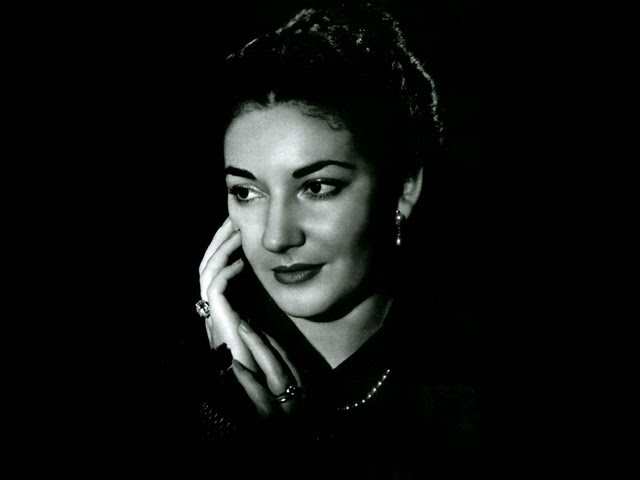
Maki Mori is a Japanese soprano who combines vocal prowess with beauty and performs on the world stage.
With a voice full of clarity, she conveys the rising emotions of Gilda, a heroine who gradually becomes aware of her love.
It’s a piece whose impression changes dramatically depending on the singer, but Mori imparts a sense of freshness and elegance.
I Want to Live in My Dream, from the opera Romeo and JulietCharles François Gounod

With a sweet, bright, and beautiful melody, “Je veux vivre” (“I want to live in a dream”), a piece that joyfully expresses the happiness that has come into one’s life, is a famous aria from the opera Romeo et Juliette by the French composer Charles François Gounod.
The original work is based on the play of the same name by William Shakespeare.
The magnificent world of vocal music: A special feature on popular vocal pieces from opera to art songs (31–40)
Come Again to Please Me (from the opera “Alcina”)Georg Friedrich Händel

The dazzlingly beautiful “Tornami a vagheggiar,” which sings of the feeling of love, is a famous da capo aria from one of the masterworks of opera by the great Baroque composer George Frideric Handel, Alcina.
“O God of Love, Behold” from the opera The Marriage of FigaroWolfgang Amadeus Mozart
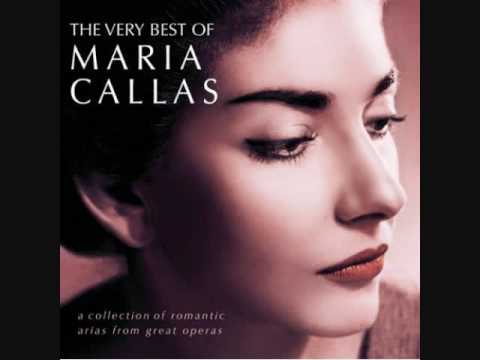
The aria “Porgi amor” from Mozart’s opera The Marriage of Figaro is a piece enveloped in elegance and noble grace, sung here by Maria Callas, the greatest opera singer of the 20th century whose name is etched in history.
Based on a play written in 1784 by the French playwright Beaumarchais, Mozart composed the work in 1786.
“Hallelujah Chorus” from the oratorio MessiahGeorg Friedrich Händel

Georg Friedrich Handel, a composer who epitomizes the late Baroque.
His oratorio Messiah remains a masterpiece beloved around the world.
Among its movements, the chorus placed at the end of Part II is nothing short of breathtaking.
Words proclaiming joy surge like waves, and the layers of voices create a soaring elation that seems to reach the heavens.
The work’s divine power is convincing in light of the anecdote that Handel was inspired while composing it.
Since its premiere in April 1742, it has been cherished across eras, and in later years a gospel-style adaptation, Handel’s Messiah: A Soulful Celebration, won a Grammy Award.
It’s the perfect piece when you want your heart to tremble before monumental music.
Daughters of CádizClément Philibert Léo Delibes

A representative song by Clément-Philippe Léo Delibes (1836–1891), a Romantic composer known as the father of French ballet music, is Les Filles de Cadix, set to a poem by Alfred de Musset.
It is a celebrated piece renowned for its dazzling orchestral writing and dramatic vocal lines.
From the opera ‘Andrea Chénier’: ‘La mamma morta’Umberto Giordano

A gifted Italian soprano who, at just 18, won the leading role of Violetta in the opera La Traviata.
In this song, the heroine Maddalena—ruined by the revolution and bereaved of her mother—sings powerfully of her resolve to confront fate and choose to live.