

[Irish Folk Songs] Surprisingly Familiar Masterpieces and Standards of Ethnic Music

When you think of Irish folk songs, what tunes come to mind?
Many people may know “John Ryan’s Polka” as an Irish tune—the one used in the scene from the film Titanic where Jack and Rose dance in third class.
A hallmark of Irish folk music is the use of traditional instruments such as the uilleann pipes, a type of bagpipe, and the tin whistle.
Plenty of listeners are captivated by the nostalgic timbre of these sounds.
In this article, we’ll introduce classic Irish folk songs—from tracks that make you want to get up and dance to soothing melodies that bring you calm.
- [Celtic Music] Masterpieces of Celtic music. Recommended Irish music
- Famous German Folk Songs | That familiar tune in Japan was actually a German folk song?!
- [2026] The Wonderful Irish: Popular Bands from Ireland
- The miraculous voice that healed the world! Enya, the Irish songstress — Quiz
- [Hymns] Famous hymns and sacred songs. Recommended hymns and sacred songs.
- Polka masterpieces. Recommended popular songs.
- [English Folk Song] A collection of classic British trad masterpieces
- Famous Western songs everyone knows: a roundup of classic tunes you’ve heard somewhere before
- A cappella masterpieces: Recommended songs where beautiful harmonies shine (Western and Japanese music)
- Celtic Woman Popular Song Ranking [2026]
- [Western Music] Bluegrass masterpieces: recommended popular and signature songs
- [2026] A Guide to Country Music: From the Latest Hits to Classic Favorites
- Masterpieces and history of folklore: An introduction to traditional music of the South American Andes
[Irish Folk Songs] Surprisingly Familiar Folk Music Masterpieces and Standards (11–20)
Down by the Salley Gardens

This famous Irish folk song, with a poignantly melancholic melody that moves the heart, is quite different from the more cheerful style of Irish music.
Known as “Down by the Salley Gardens,” the piece originates from verses once hummed by Irish farm women, later edited by Ireland’s celebrated poet and playwright William Butler Yeats.
It poetically recounts the bitter end of a young man’s love.
Some may recognize it from versions by Clannad or solo recordings by members of Celtic Woman.
It also served as the original song for Aoi Teshima’s “Kazoku no Fukei,” and, perhaps surprisingly, was used as the ending theme of the anime Fractale, which became controversial in several respects.

The Kesh Jig

In the 1997 blockbuster film Titanic, one of the most delightful, feel-good scenes—enhanced by lively music—is the dance sequence where the protagonists Jack and Rose dance in the third-class quarters.
The four pieces used here are all traditional Irish and Scottish tunes, part of Celtic music.
The piece introduced in this article, The Kesh Jig, is used around the scene where an arm-wrestling match breaks out during the party.
If you’ve seen the film, the more joyful the revelers appear at the party, the more the tragic turn later on can tug at your heartstrings…
Also, The Kesh Jig is a classic favorite to play: it’s featured as the opening track on the debut album of The Bothy Band, the legendary group that popularized Irish traditional music in the 1970s—so be sure to check it out.
Irish Washerwoman

Despite being arranged so that only the melody is played on instruments like the fiddle or violin—or guitar or bagpipes—the unique beat that springs from the melody makes you want to start clapping along and dancing! The Irish folk tune “The Irish Washerwoman,” a jig said to date back to the 17th century, was at one time even given lyrics and sung in operas.
Richard Hayman, renowned as the chief arranger for the Boston Pops Orchestra, released an album titled “Irish Rhapsody” under the name Richard Hayman & His Orchestra, which also features “The Irish Washerwoman.” If you love classical music and are curious about Celtic music, be sure to check it out.
Believe me, if all those endearing young charms

It’s quite common that the original sources of Japanese songs long beloved as shoka (school songs) turn out to be Irish folk tunes, and digging into Irish music often leads to discoveries like these—that’s part of the fun, isn’t it? The piece widely known in Japan as “Haru no Hi no Hana to Kagayaku” also originates from the Irish song “Believe me, if all those endearing young charms.” The Japanese composer-lyricist Keizo Horiuchi did a truly wonderful job of rendering the universal love song by Thomas Moore—the national poet of Ireland, also known for “The Last Rose of Summer,” the original of “Niwa no Chigusa”—into beautifully expressive Japanese lyrics.
Star of the County Down
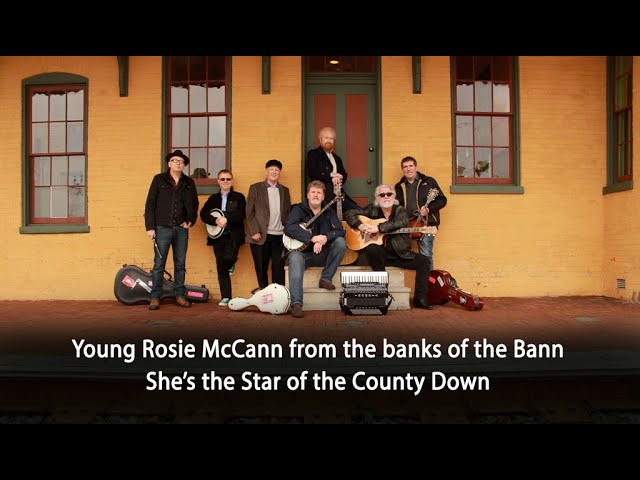
When people think of folk songs, many imagine music centered on indigenous beliefs.
While that aspect is indeed strong in folk music, there are exceptions in Irish folk.
One such example is “Star of the County Down.” Known as a classic Irish folk ballad, this piece portrays the anguished cry of a young man who lost his lover early in life.
The melody may sound cheerful at first, but if you listen closely, you’ll notice it is firmly set in a minor key.

The Hills of Greenmore

When people hear “Irish folk music,” many probably picture instrumentals.
It’s true that there are plenty of instrument-focused tunes in Irish folk, but there are also vocal-centered songs.
One of them is The Hills of Greenmore.
With a simple arrangement of tin whistle, violin, and mandolin, it embodies classic Irish folk.
If you enjoy lively, upbeat tracks, be sure to give it a listen.
[Irish Folk Songs] Surprisingly Familiar Masterpieces and Standards of Folk Music (21–30)
Danny Boy

A treasured ballad that has continued to be loved around the world as a song carrying on the heart of Ireland.
In 1913, British lawyer Frederick Weatherly set warm lyrics to a traditional Irish melody.
Its tune, which gently embraces the feelings of those leaving their homeland and the partings from loved ones, resonates deeply with listeners.
Artists who defined their eras, including Bing Crosby and Sinéad O’Connor, have kept the song alive, and in the 1990 film Miller’s Crossing, Frank Patterson’s vocals lent a memorable glow to a key scene.
An eternal classic to savor on a calm evening.